


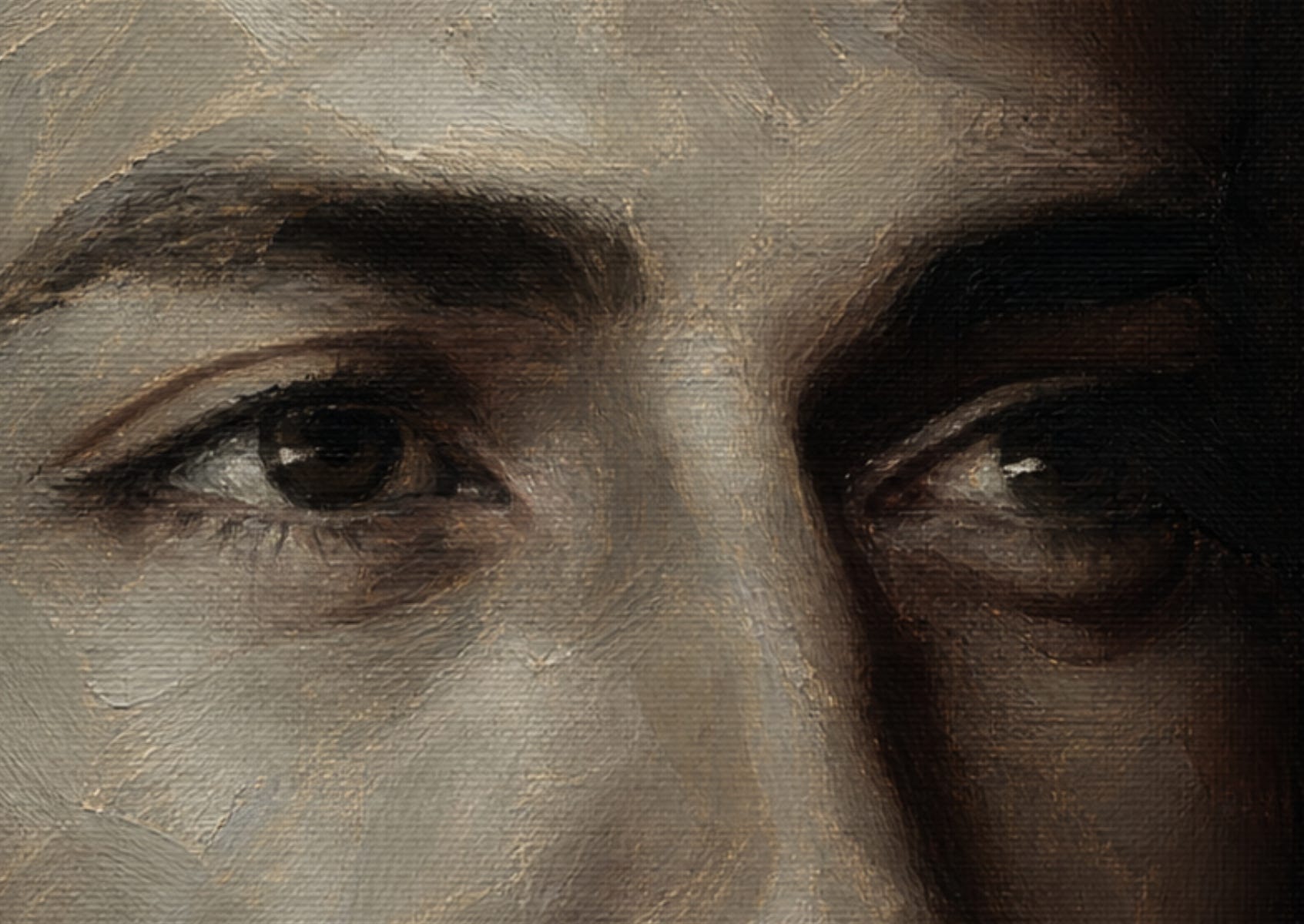
Mama’s up before the sun. I know it before I open my eyes, because I can hear her out in the kitchen grinding coffee, and under that, way off past the edge of town, the L&N coming through. That whistle’s the first thing I ever remember hearing in my life. It gets in a boy’s bones.
My back’s the second thing I feel every morning. Down low, right where the belt sits. It’s not a hurt like a bruise, it’s a hurt like something’s tied wrong inside me and nobody’s got the fingers to untie it. Mama’s carried me to doctors and they poke and hum and say I’m growing. I’ve been growing twelve years. I lay there a minute on the tick and let it settle, then I reach up under my pillow and feel for my Bible, same as I’ve done since I was little, and then I get up.
My knees pop. Everything on me pops. The barber down the street said one time my legs wasn’t no bigger than a buggy whip, and the men on the bench laughed, and I laughed too, because that’s what you do. I put on my glasses — they slide down my nose, and my ears hold them up, which is about the only thing my ears are good for — and my trousers, and a shirt that was somebody else’s first.
Mama’s got the stove roaring and the salt pork going and plates set out for the roomers. She’s a big woman and she don’t move around the kitchen so much as she takes it over. Folks say she’d turn the world upside down for her children, and I believe it. Sometimes I think she’d turn me upside down too, if I stood still long enough.
“Eat up, Harm.”
That’s what they call me at home. Hiram’s my name, on paper. Daddy’s the one that named me, and Daddy’s in the veterans’ hospital over in Mississippi, has been since I was six. He got hurt in the war and it did something to him, and now the government keeps him and Mama keeps us. I don’t think about it much. Or I think about it all the time, I can’t tell which.
Irene’s at the table folding little paper sacks and filling them with peanuts she roasted last night. She’s older than me and she runs me like she’s the foreman.
“Don’t you come back without thirty cents, Hiram.”
She hands me the sack and the shoe polish and the rag. I tell her I’ll bring back thirty cents. What I’m thinking is, I’ll bring back thirty-five, and we’ll have gumbo stew tonight instead of grits again, and I’m already gone out the door in my head before I’m out of the chair.
By eight I’m downtown. Greenville’s got a courthouse and a depot and a few blocks of brick, and a boy can work the whole thing in a morning if he moves. I’ve got the peanuts under one arm and the shine box in the other and the guitar on my back on a piece of twine, because I won’t leave it home. Mama got it for me on time, fifty cents a month, out of the Sears book, three dollars and fifty cents when it’s paid. I broke my arm falling off a calf and I was trying to chord it three days later with the cast on. Mama liked to have killed me.
The men sit out front of the drugstore and the barbershop, farmers and log-truck men and old fellows that don’t do nothing but sit. They spit in the dust and talk cotton and talk Roosevelt.
“Shine, mister? Hot peanuts, nickel a bag!”
My voice comes out high. It carries, though. Mama says it carries clean across a church. The men grin at me, and I grin back, because a grin’s worth a penny sometimes. I’ll run to the depot for a man, or fetch a Coca-Cola, or pick up the cigarette he threw down before it quits rolling. I ain’t proud about a penny.
When a man steps up for a shine I go down on my knees on the boards and my back hollers at me and I don’t listen to it. Snap the rag, pop it, snap it again. There’s a beat to it. Everything’s got a beat to it if you listen.
And the whole time I’m listening for something else.
Ya know, I hear him before I see him? A thumb thumping down on the bass string, steady as a man walking, and then that slide going up the neck and crying. He plays with a bottleneck on his finger, and I never heard anything like it before him and I don’t believe I ever will again.
I pack up quick and run. He’s in the shade at the side of the drugstore on a crate, old and stooped, gray under his hat, with a bottle in his coat that he thinks I don’t know about. Rufus Payne. Everybody calls him Tee-Tot. Black folks and white folks both stop and drop a nickel in his hat, and he plays for anybody that’s got a nickel.
“Little white boss,” he says. He always says that. “You come to shine shoes or you come to pick?”
“I come to pick.”
I don’t know how long I sit there. Two hours, three. Mama would say I lose track of time and she’s right. He don’t teach it to me the way they teach at school. He just plays it and looks at me and plays it again slower, and I watch his hands and then I try, and he shakes his head and I try again. He’s showing me runs, bass runs, walking down from one chord to the next so the song don’t ever stop moving. He’s showing me how to keep it driving so a man crossing the street has to stop whether he meant to or not.
“Look at ‘em when you sing, Harm. Straight in the eye. Don’t sing at the ground. Give ‘em what’s in you.”
I don’t know exactly what he means by that yet. But there’s something in me, I know that. Some kind of blue. I felt it before I had a name for it. And when I play what he shows me, it comes up a little, like water in a low place.
Mama feeds him for it. He comes by the back of the house and she hands him a plate out the kitchen door, and they don’t say much, and that’s the deal. I think it’s the best deal anybody in my family ever made.
By four I’ve got thirty-five cents in my pocket and they jingle when I walk, and I walk slow going home on purpose, picking at the strings with the guitar swung around front.
We’ve got a radio at the house. That’s how I know there’s a world past Butler County. Mama keeps it on for the roomers and I sit close to it. WSFA comes in from Montgomery, and at night if the air’s right we get WSM out of Nashville and the Opry. I heard Jimmie Rodgers on that radio before he died, that yodel of his, and I about quit breathing. Montgomery’s fifty miles up the road. Nashville might as well be the moon. But a boy can lay in the dark and think.
I don’t go in the house right off. I go under it. There’s a place under the floor by the chimney where it’s dry and the heat from the stove comes down through the boards, and nobody’s going to holler at me there, and I sit in the dirt with the guitar against my chest and I sing to myself. Soft. I make up words. Lonesome things, about trains and roads and folks that leave, things I ain’t old enough to know about but somehow I do. I don’t know where they come from. They just come.
Mama calls me in for supper. The table’s full of railroad men and mill hands and it’s loud and I eat my stew and don’t say much. I’m a quiet boy at the table, whatever I am on a sidewalk.
Then I’m in bed, and the house goes still, and way off the L&N blows for the crossing, and I pick up the guitar one more time in the dark. I can feel the train in the floor. I can feel it in the strings. One of these days it’s going to carry me out of here. I don’t know where to. But I know it’s going to be somewhere they can hear me.
ABOUT THE AUTHOR:
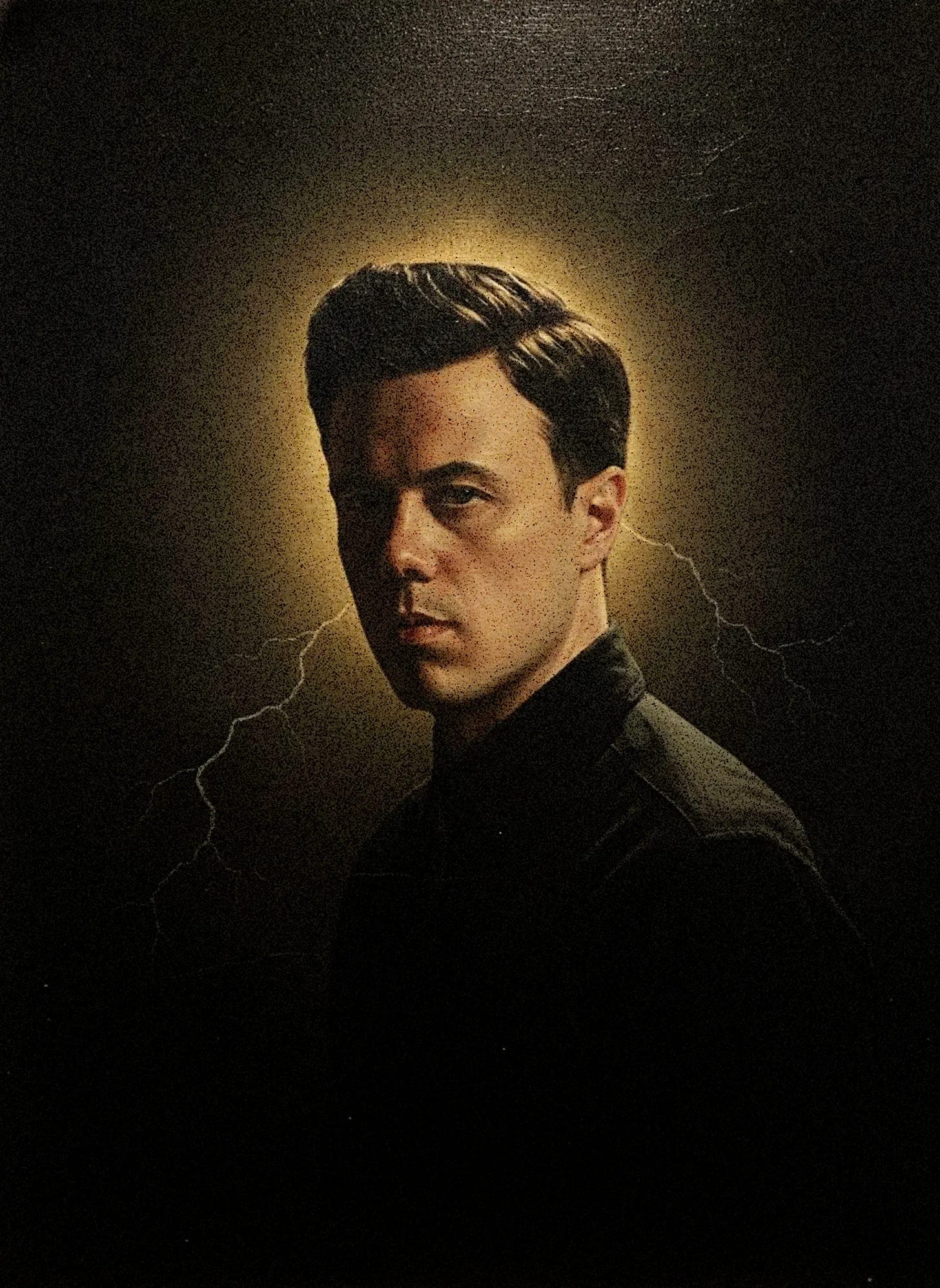
My name is Zachariah Malachi. I’m a full-time, self-employed honky tonk musician in Nashville, Tennessee. This Substack Publication was created for the purpose of sharpening my mind on more Nashville and Country Music history to share with the honky tonk patrons downtown during my shows—but I wanted more folks to benefit from the research, so it’s my gift to the country music fans of the world AND the people who WANT to be. Subscribe and come along for the ride.
And they're still listening to that boy sing! Great job, Zachariah!
Gorgeous. Thank you.