


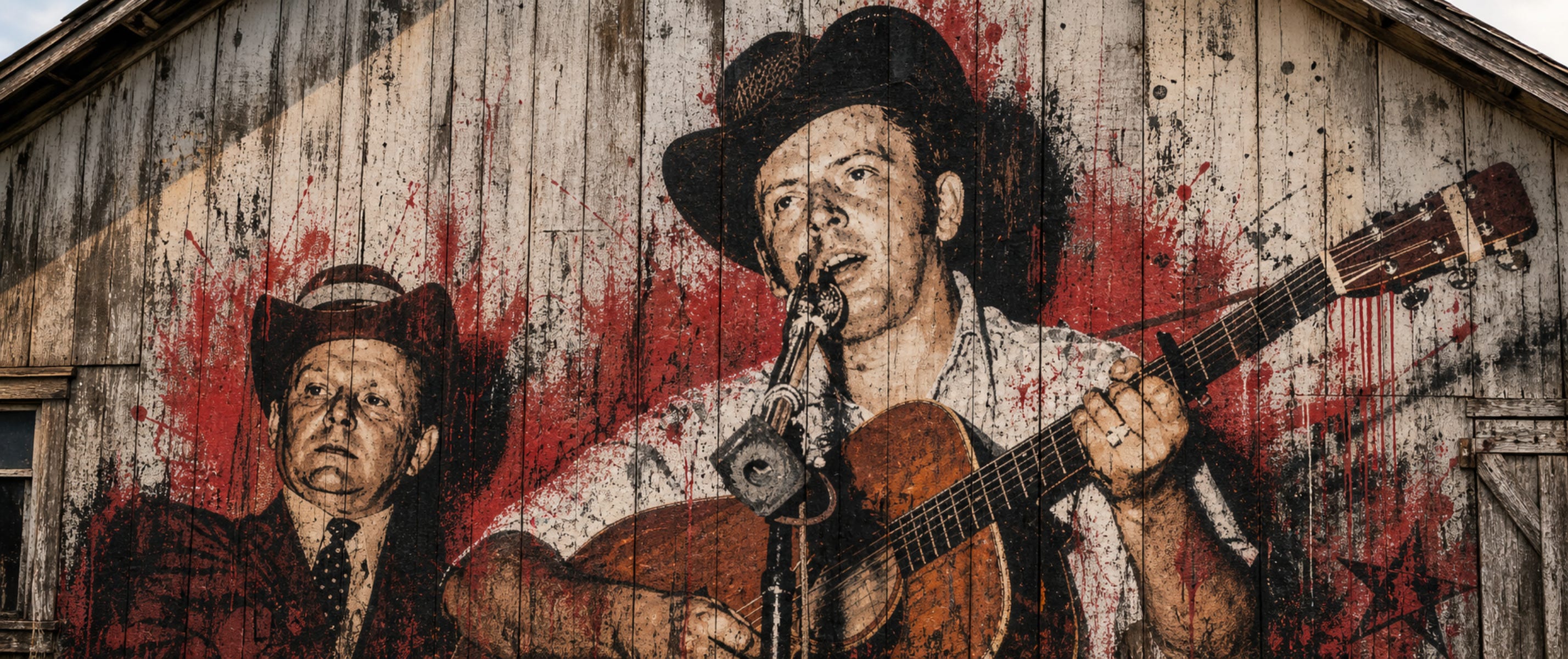
A Tragedy That Should Never Have Been
There are moments in music history when the shadow of real violence falls across the stages and studios where we celebrate artistry. Roy Lee Centers’ story is one of those moments—a stark reminder that talent, promise, and even mercy aren’t always enough to protect you from the cruelty of the world, or from the corruption that hides behind small-town power structures. Remember, being in the public eye is also a strong disadvantage.
On May 2, 1974, a 29-year-old singer with one of the most promising voices in bluegrass music was shot three times in the head by a local real estate developer in rural Kentucky. What happened that night, and what happened in its aftermath, tells us something uncomfortable about justice, class, and who gets protected by the law.
The Rising Star
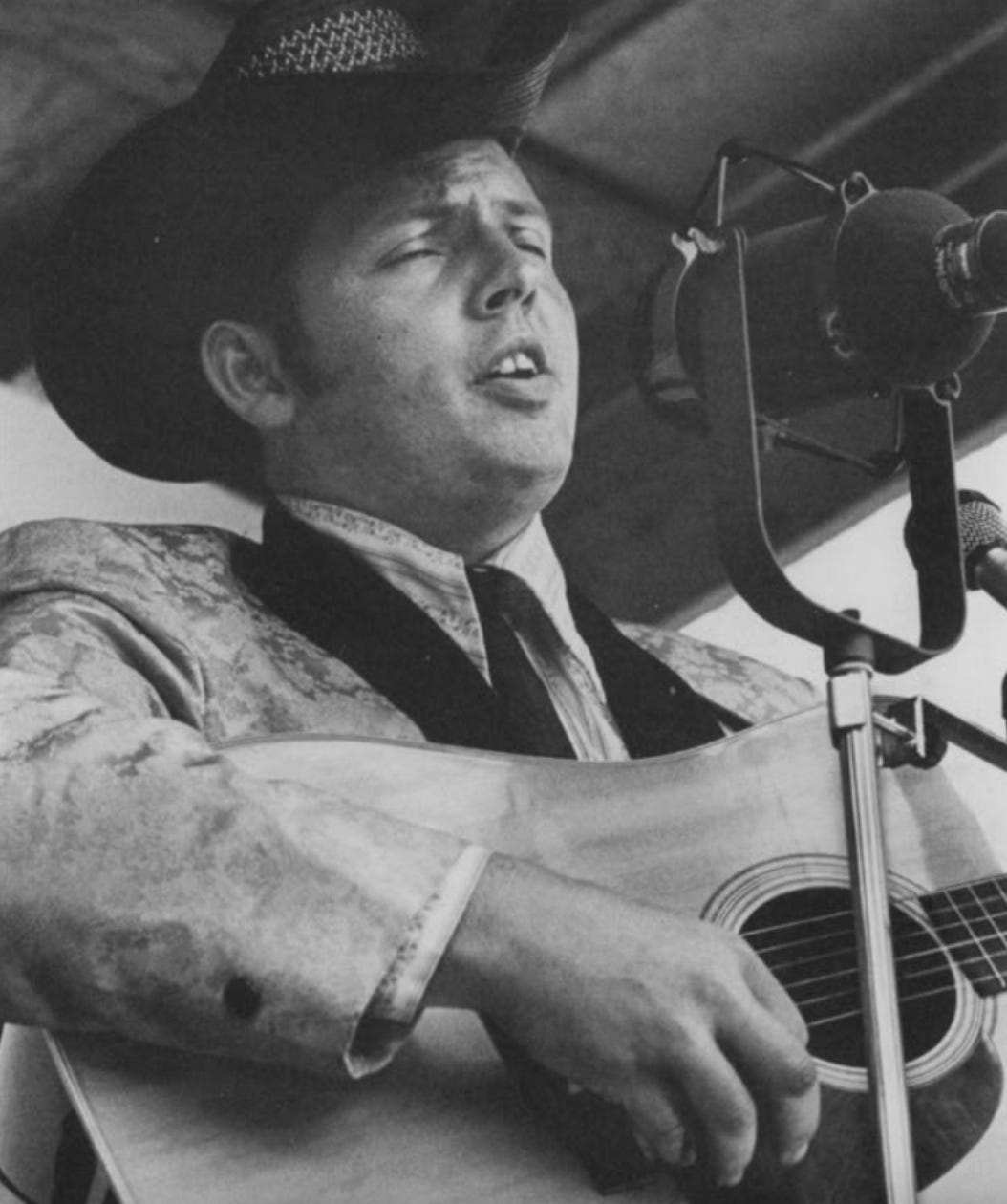
Roy Lee Centers was born November 8, 1944, in Jackson, Kentucky. Like so many of the greatest country and bluegrass musicians, he came from Appalachia—a region that has given America an embarrassment of vocal riches while rarely keeping the wealth for itself. Centers grew up singing, and by the early 1960s, he was performing in Dayton, Ohio, playing small clubs and taverns with local bluegrass musicians. He was the kind of player you’d find working Friday and Saturday nights for tips and whatever dignity comes from making music for people who understand it.
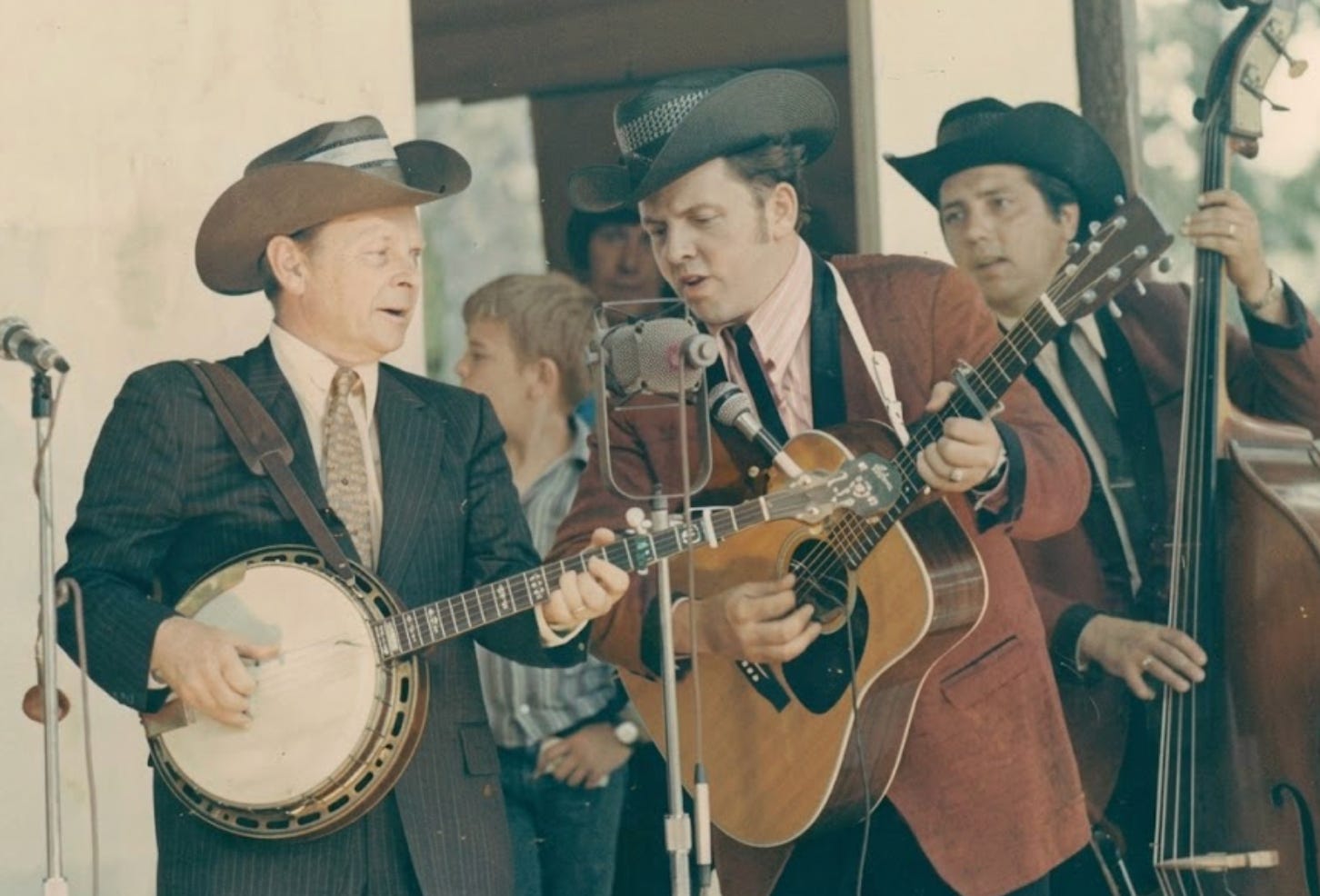
His break came in November 1969 when Ralph Stanley—already a living legend in bluegrass—recruited Centers as the lead vocalist for The Clinch Mountain Boys. This was not a minor career move. Ralph Stanley was one of the architects of modern bluegrass, a man whose sound had defined the genre’s sound and emotional vocabulary. After his brother Carter died in 1966, Ralph had continued to lead the Clinch Mountain Boys, but he was looking for a voice that could honor that legacy.
What Ralph found in Roy Lee Centers was something rare: not an imitation, but a spiritual kinship. According to Stanley himself, there was something uncanny about Centers—the way he held a coffee cup, the way he gripped a cigarette, the way he bent a note. It was as if Carter’s ghost had somehow walked into the room and picked up a guitar again. Centers earned $100 a week from Stanley, which wasn’t fortune, but it was honest work doing what he loved, and it was a pathway to something larger.
From 1969 until his final performance with the group on April 28, 1974—just four days before his death—Roy Lee Centers recorded what bluegrass historians describe as “some of the finest material” ever laid down by the band. He was 29 years old, at the apex of his powers, widely considered one of the most promising young singers in a music that was experiencing a renaissance during the early 1970s. Every indication suggested that Roy Lee Centers’ name would be remembered alongside the greats.
The Night Everything Changed
Centers had just returned to Jackson, Kentucky, after a West Coast tour with Ralph Stanley. He was home, reconnecting with family, back in the hollows where his voice had first learned to sing. On the evening of May 1, 1974, he and his 12-year-old son Lennie brought guitars and a banjo to a gathering at a neighbor’s house. It was the kind of thing that happened in those communities—you bring your instruments, you play together, you pass the night with music and company.
Billy Hurst was at that party. Hurst was a local real estate developer, a man from a family with money and connections in Breathitt County. He was also a bonded deputy—the kind of position that often went to men with the right last names and the right family ties. That night, he’d been drinking, and his mood had been volatile. By all accounts, what started the trouble was petty and toxic: jealousy. According to those present, Hurst and Centers got into disagreements over musical attention, over style, over who was better at what. But underneath those surface tensions was something darker—Hurst resented that Centers had come home and was making a name for himself professionally. There was something that cut deeper still: the men quarreled over whose son was the better musician. In rural Appalachia, especially among working musicians, this was no small matter. Your child’s talent was your legacy, your proof that you’d passed something on to the next generation. It was and still is a big deal. Think of Mozart and his Dad.
Around 2:00 a.m. on May 2, Centers decided it was time to leave. He and Lennie got in their Chevrolet Nova to head home. They realized almost immediately that the tank was nearly empty. Desperate to find gas, Centers pulled into Hurst’s property and went to the door asking for help.
What happened next unfolded like a scene from the darkest kind of noir. An argument erupted inside Hurst’s house. Centers, by all accounts, wasn’t looking for a fight. But Hurst emerged from that house with a .38-caliber pistol in his hand and forced Centers and his young son at gunpoint into his pickup truck.
As Hurst drove down the dark road toward Cane Creek, he didn’t say much. He just started swinging. He pistol-whipped Centers repeatedly in the face with the .38, brutal blows that cut skin and broke bone, all while Lennie—twelve years old, helpless—watched his father being beaten from inside the cab of that truck.
Centers was desperate. He was bleeding. His son was terrified. He did what a man does when everything else is gone: he fought back. He grabbed the steering wheel and forced the truck over an embankment. The vehicle careened down toward Cane Creek near a streetlamp, and in that moment of chaos, Centers must have hoped for rescue, for witnesses, for salvation.
Lennie scrambled out of the wreckage. He ran toward the light, toward safety, toward anywhere that wasn’t that creek bed.
But Roy Lee Centers never made it.
The End
As Centers lay in the water, stunned from the crash, Hurst came after him. And here’s where this story becomes truly tragic—Centers got Hurst subdued. For a moment, he had the upper hand. He could have finished it. Instead, he showed mercy. He released him.
Hurst pulled a gun and shot him three times. Twice in the head. Roy Lee Centers, who had sung with Ralph Stanley, who had inherited something sacred from the Stanley Brothers, who had a 12-year-old son watching from the dark, died there in Cane Creek.
The Mockery of Justice
Billy Hurst was convicted of murder. He was sentenced to ten years in prison.
Though, he never spent a single day behind bars.
This is where the story transforms from tragedy into something worse—into a demonstration of how power works in small towns. Hurst appealed his conviction. His uncle was a former sheriff. His family had money and standing. Hurst developed a shopping center. He had connections that mattered. After his appeal, he was released back into the community, free to walk the same streets where Roy Lee Centers’ widow lived, where his son Lennie tried to grow up.
The Centers family received a $10,000 civil settlement. Think about that number. That’s what a promising young bluegrass singer’s life was worth in rural Kentucky in 1974. That’s what a boy’s trauma, his lost father, his interrupted childhood were worth. His wife, Lucille - a widow. $10,000.
The justice system, ladies and gentlmen.
The Ghost in the Hollow
Ralph Stanley had to find a new lead singer. The bluegrass world adjusted, as it always does. But there was a hole left behind that never quite got filled. The recordings Centers made with the Clinch Mountain Boys remain—preserved on vinyl and now digital, a testament to what he was capable of, a reminder of what was lost.
In bluegrass, we talk about the “high lonesome sound”—that particular ache in the voice that comes from singing about loss and struggle and the hard truths of life. Roy Lee Centers had that sound in abundance. He wasn’t just singing those old songs; he was living them.
The irony is brutal: Centers was murdered by a man whose violent nature should have disqualified him from carrying a gun or wearing any badge. Instead, it was Centers—the one who had shown mercy when he had the chance—who paid the ultimate price. And his killer walked free.
There’s a reason we tell these stories. Not to sensationalize tragedy, but because the stories of people like Roy Lee Centers reveal something true about the world we come from—the world of rural Appalachia, of working musicians, of small towns where power is concentrated in the hands of families who got there first and held on tightest.
Roy Lee Centers would have been 82 years old now. He might have toured with Ralph Stanley for decades. He might have made records that defined generations of bluegrass music. His son Lennie might have grown up watching his father accept awards, perform on national stages, become the legend he was born to be.
Instead, he’s a name in a Breathitt County court record. A footnote in bluegrass history. A voice on a few recordings that capture what we lost.
The blood in the bluegrass is real. It’s not just a poetic metaphor. It’s the blood of people who never got to finish the songs fate never allowed us to hear.
Roy Lee Centers
November 8, 1944 – May 2, 1974
ABOUT THE AUTHOR:
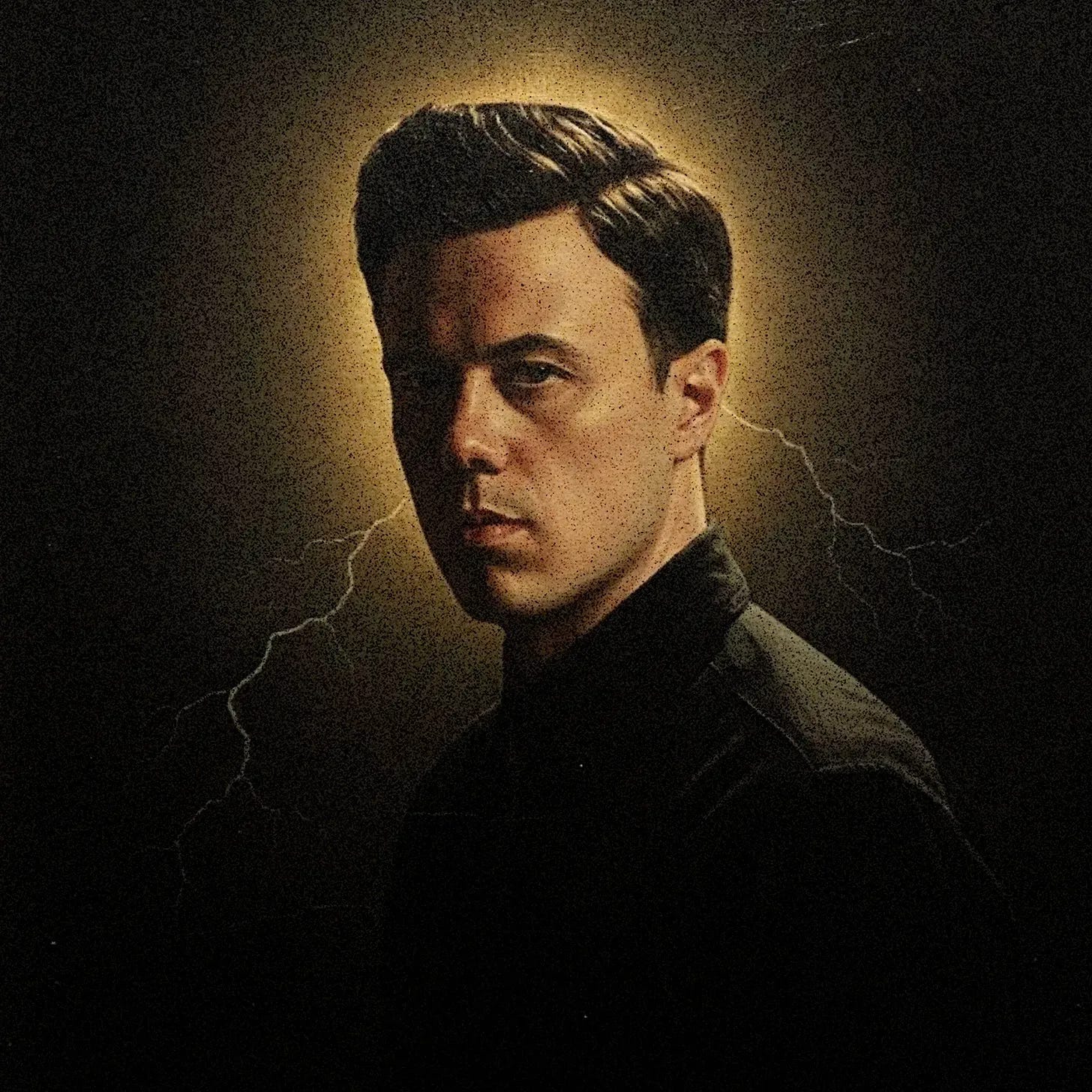
My name is Zachariah Malachi. I’m a full-time, self-employed honky tonk musician in Nashville, Tennessee. This Substack Publication was created for the purpose of sharpening my mind on more Nashville and Country Music history to share with the honky tonk patrons downtown during my shows—but I wanted more folks to benefit from the research, so it’s my gift to the country music fans of the world AND the people who WANT to be. Subscribe and come along for the ride.
What a tragic story. Do you know whatever happened to Lennie?
That sort of injustice was, and still is, pretty common in small town America. I once worked with a Black man who was later shot in broad daylight at age 34, in front of numerous witnesses, over a unpaid loan by a white man. The murderer waited in the company parking lot for the shift change. He was convicted of the misdemeanor charge of criminally negligent homicide and sentenced to a year in the county jail. He was released on weekends to look after his cattle. 😐 Such was the price of a life in Milam County, Texas, in 1985.