


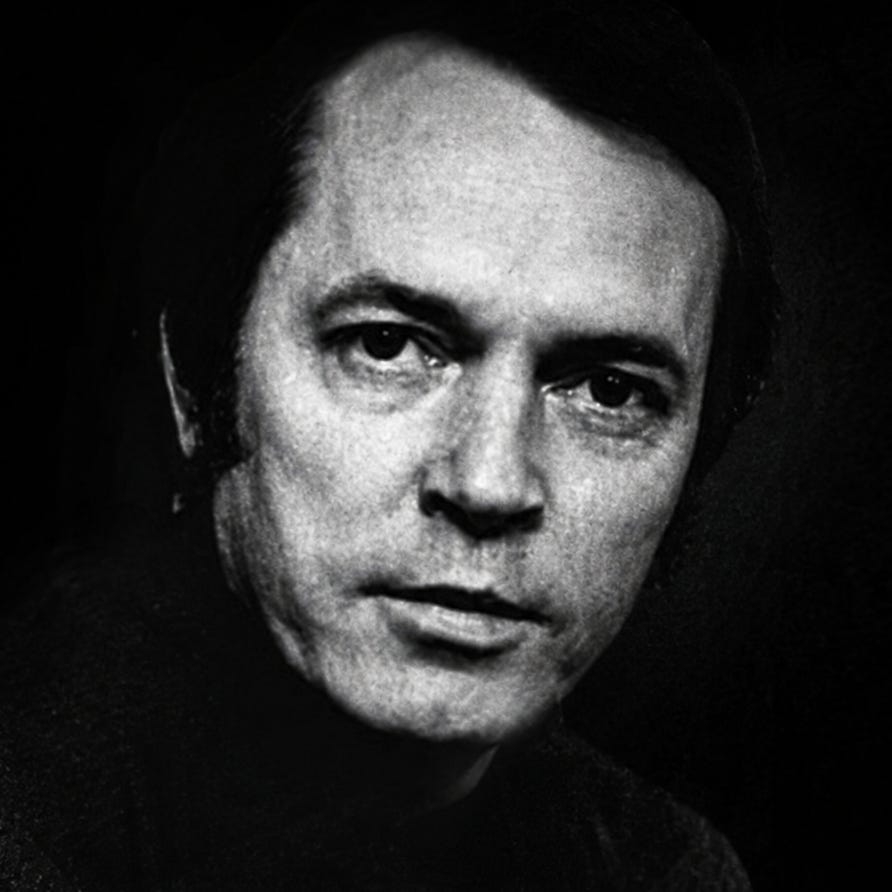
There is a church that lives in classic country music history that nobody built on purpose. Its architect was the son of a tent revival preacher from the Alabama hill country, a man who grew up playing piano for the Holy Ghost and saxophone for jump blues bands on the same weekend. He never meant to change country music in a way that Owen Bradley or Chet Atkins manufactured a purposeful change in it. He just heard something nobody else could hear — the distance between what these songs were and what they could become — and he spent twenty years filling it in. Good producers have the ability to hear certain things that no one else can.
His name was Billy Norris Sherrill. And if you’ve ever felt country music open up like a cathedral around you — strings swelling, steel guitar ascending, a voice at the center of it all that sounds like it’s confessing to God — that sensation, that architecture, belongs to him.
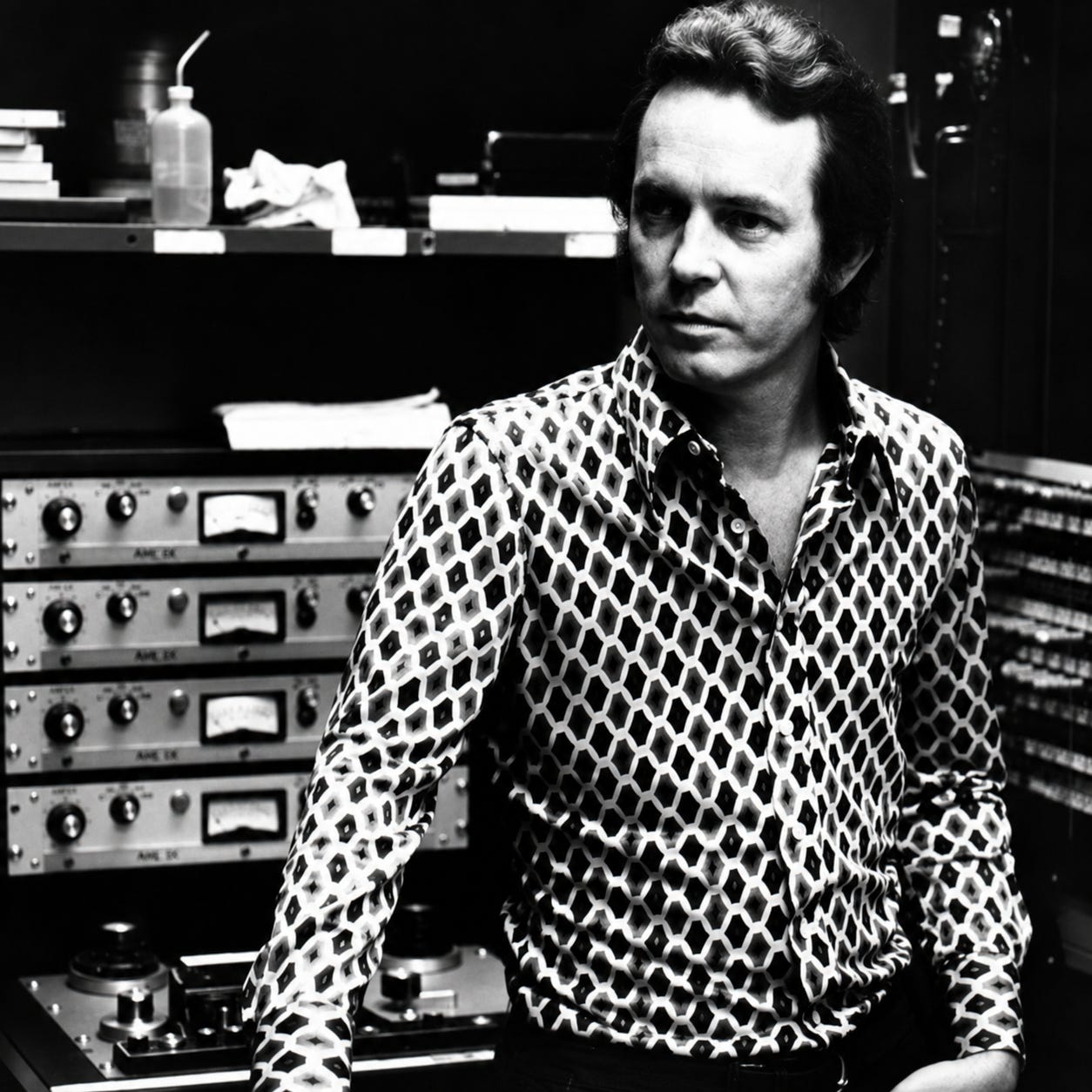
The Preacher’s Son with a Blues education
Billy grew up in a small town in Alabama, the son of an evangelical preacher. Phil Campbell, to be specific — a place so small that the loudest thing on Saturday night was whatever band you’d imported from somewhere else. In his youth, he often accompanied his evangelist father on piano at revivals. If you want to understand Billy Sherrill’s production instincts — the way he understood emotional dynamics, the way he knew when to hold a song back and when to release it — that is your first clue. The tent revival is a masterclass in emotional architecture. You know when to whisper. You know when to thunder.
As a kid, he listened to legendary R&B deejay John Richbourg — known as “John R.” — late at night on Nashville’s WLAC, playing old blues songs. “The next morning it would turn into country music, and I’d listen to that,” Sherrill recalled. “I liked it all.”
That last sentence is everything. I liked it all. Most men who changed an art form did it by refusing to be confined to one room of the house. Sherrill heard country music not as a tradition to preserve but as a vessel — one that could hold whatever emotional truth you poured into it, as long as the craftsmanship was right.
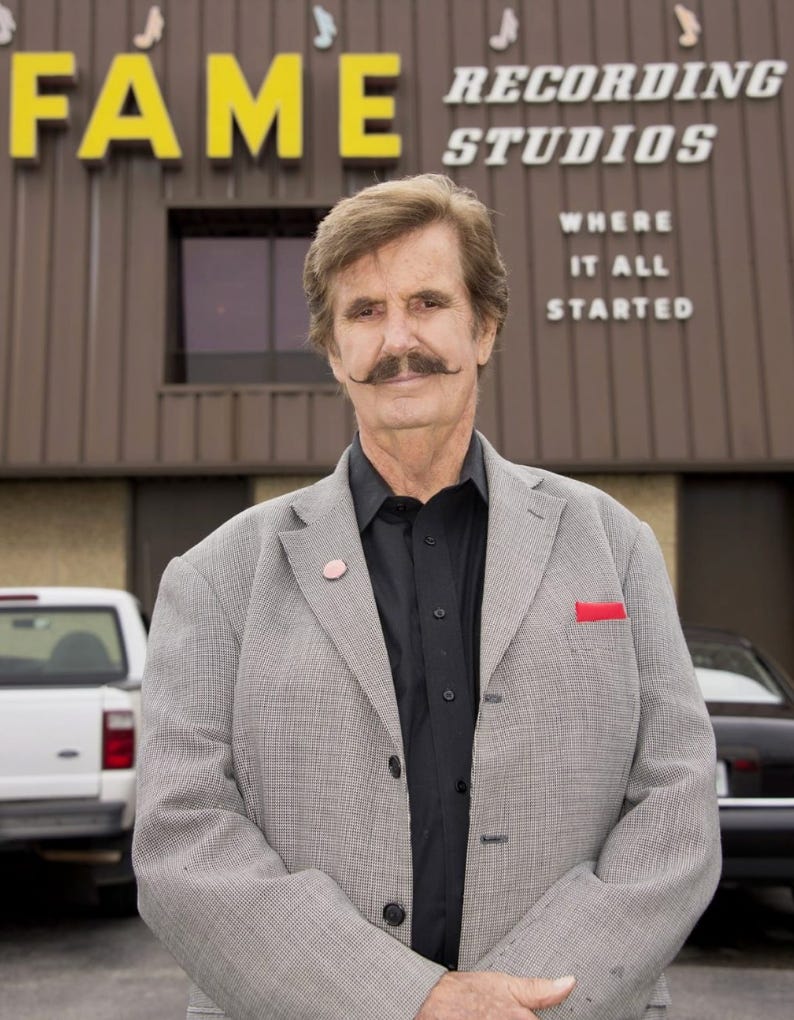
After learning to play saxophone, he teamed up with fellow musician and songwriter Rick Hall to form a rock ‘n’ roll and rhythm-and-blues band called The Fairlanes. Sherrill and Hall co-wrote “Sweet and Innocent” for Roy Orbison before moving to the Muscle Shoals area to form a publishing partnership — Florence Alabama Music Enterprises (FAME) — with music enthusiast Tom Stafford above the City Drug Store in downtown Florence.
Rick Hall would go on to build FAME Studios into one of the great soul and R&B recording rooms in American history. Sherrill went a different direction — north to Nashville — but the partnership tells you something. This was a man who moved in the same orbit as the architects of the Muscle Shoals Sound before that sound had a name. He was wired into the bloodstream of American popular music at the root level.
Sam Phillips and the education of an engineer
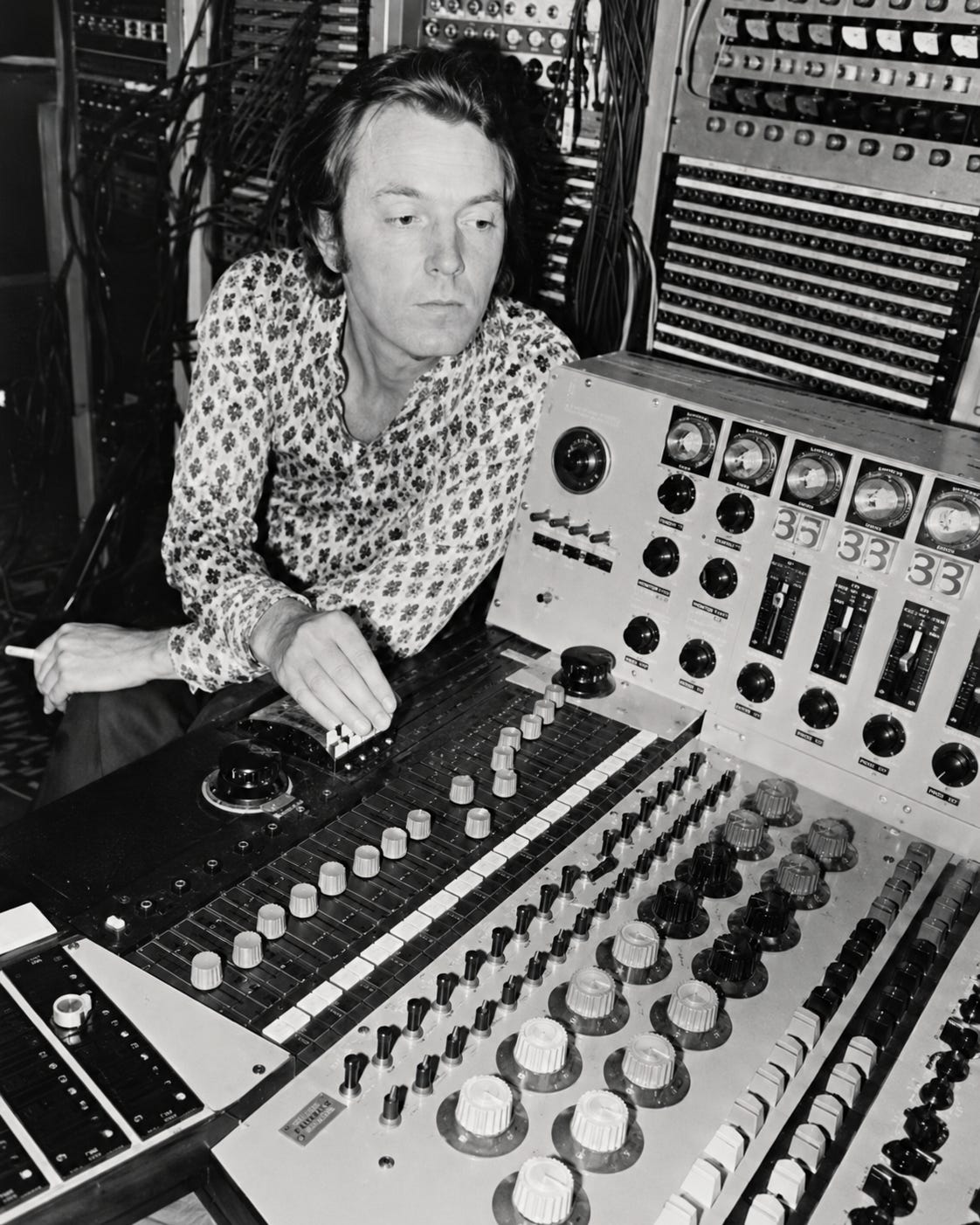
Moving to Nashville in 1962, his first job was working for Sam Phillips at Sun Records, managing the label’s recording studio in Music City.
Think about what that means. Sam Phillips — the man who discovered Howlin’ Wolf, who recorded Elvis Presley, who essentially midwifed rock and roll into existence — trusted Billy Sherrill with the keys to his Nashville room. Sherrill was twenty-five years old. He sat at those boards and learned what sound could do. He learned patience. He learned that the most important thing a producer can do is create a container worthy of what a singer has to give.
He gained studio experience in the early 1960s as a producer-engineer for Sam Phillips’s downtown Nashville studio. When Phillips sold that Nashville operation, Sherrill was suddenly looking for work. He didn’t look long.
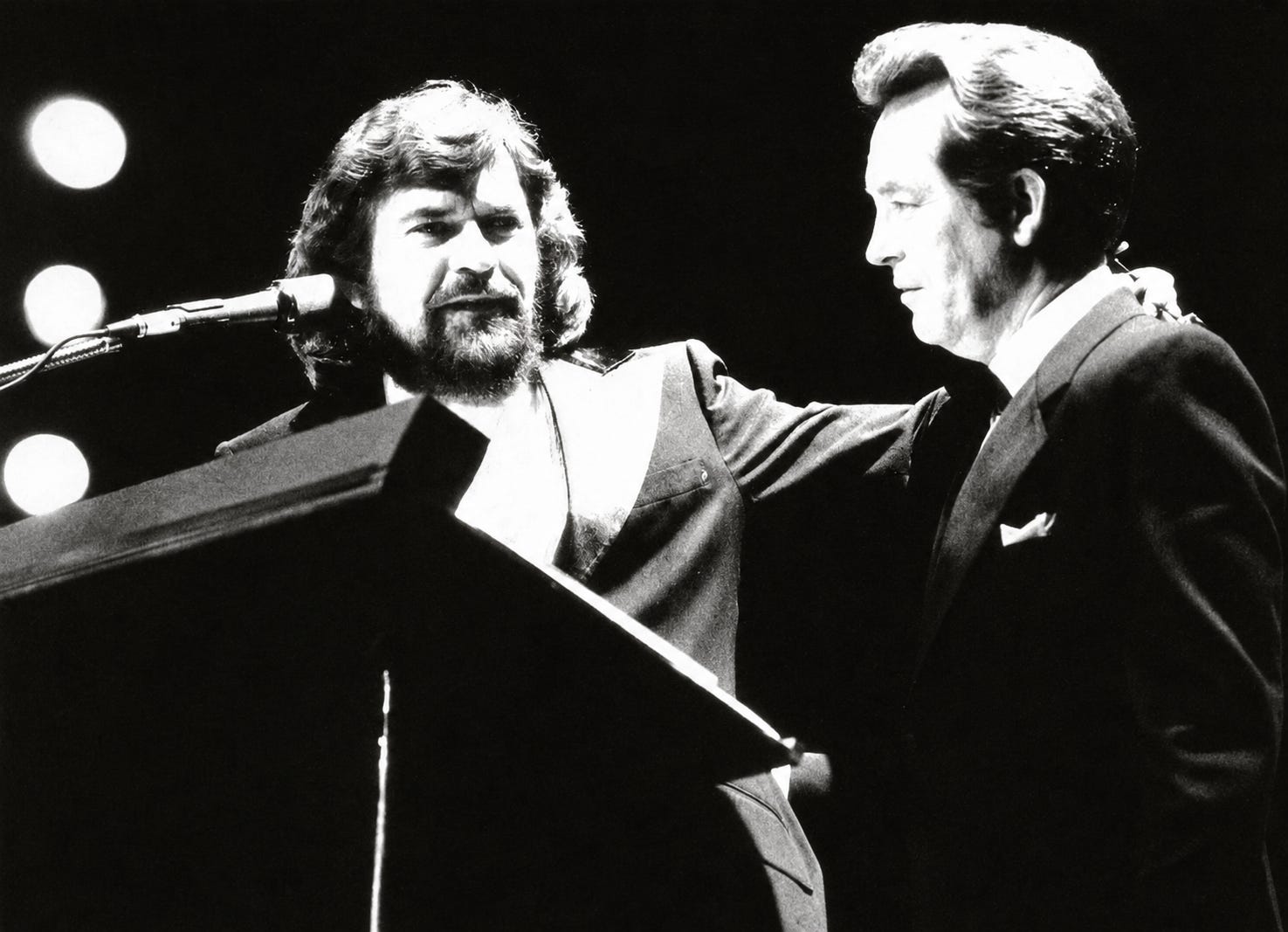
Epic Records and a blank canvas

His unemployed status wouldn’t last long, as he was quickly hired as a producer for Epic Records, working with acts ranging from Jim and Jesse to the Staple Singers.
Epic Records in Nashville was, in 1963, the least prestigious country label on Music Row. The big boys — RCA, Decca, Columbia — had their rosters locked up. Epic got what the others didn’t want. Sherrill was handed a blank canvas and the keys to a building nobody else cared about. He treated it like a gift.
At first he handled acts that others preferred not to produce, including the R&B group the Staple Singers and the rock band Barry & the Remains. A lesser man would have resented the assignment. Sherrill studied it. He kept listening. He kept experimenting. He understood that the rules of country music production — the ones that said you couldn’t use strings, couldn’t layer harmonies, couldn’t let the orchestration breathe — were not laws of physics. They were habits. And habits can be broken by anyone with enough conviction and enough hits.
The hits came in 1966.
Almost Pursuaded: The First Sign
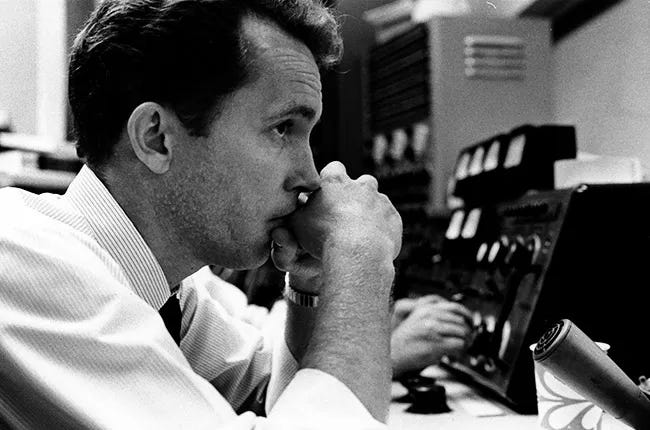
David Houston was a journeyman country singer — respected, steady, and mostly forgettable until Billy Sherrill got hold of him. His first major success as a producer came in 1966 with David Houston’s “Almost Persuaded,” which spent nine weeks atop Billboard’s Hot Country Songs chart in the summer of 1966. Sherrill won two best country song Grammys — for Houston’s “Almost Persuaded” and Rich’s “A Very Special Love Song.”
“Almost Persuaded” is a deceptively simple record. It sounds lush without being gaudy. The strings suggest rather than announce. But it established something crucial: a Billy Sherrill production had a feeling. A specific emotional weather. When you heard it, you knew it was his — the same way you knew a Spector record or a Motown record from the first eight bars.
That sonic fingerprint was now on the wall of every studio on Music Row.
Tammy Wynette: The Discovery that Defined an Era
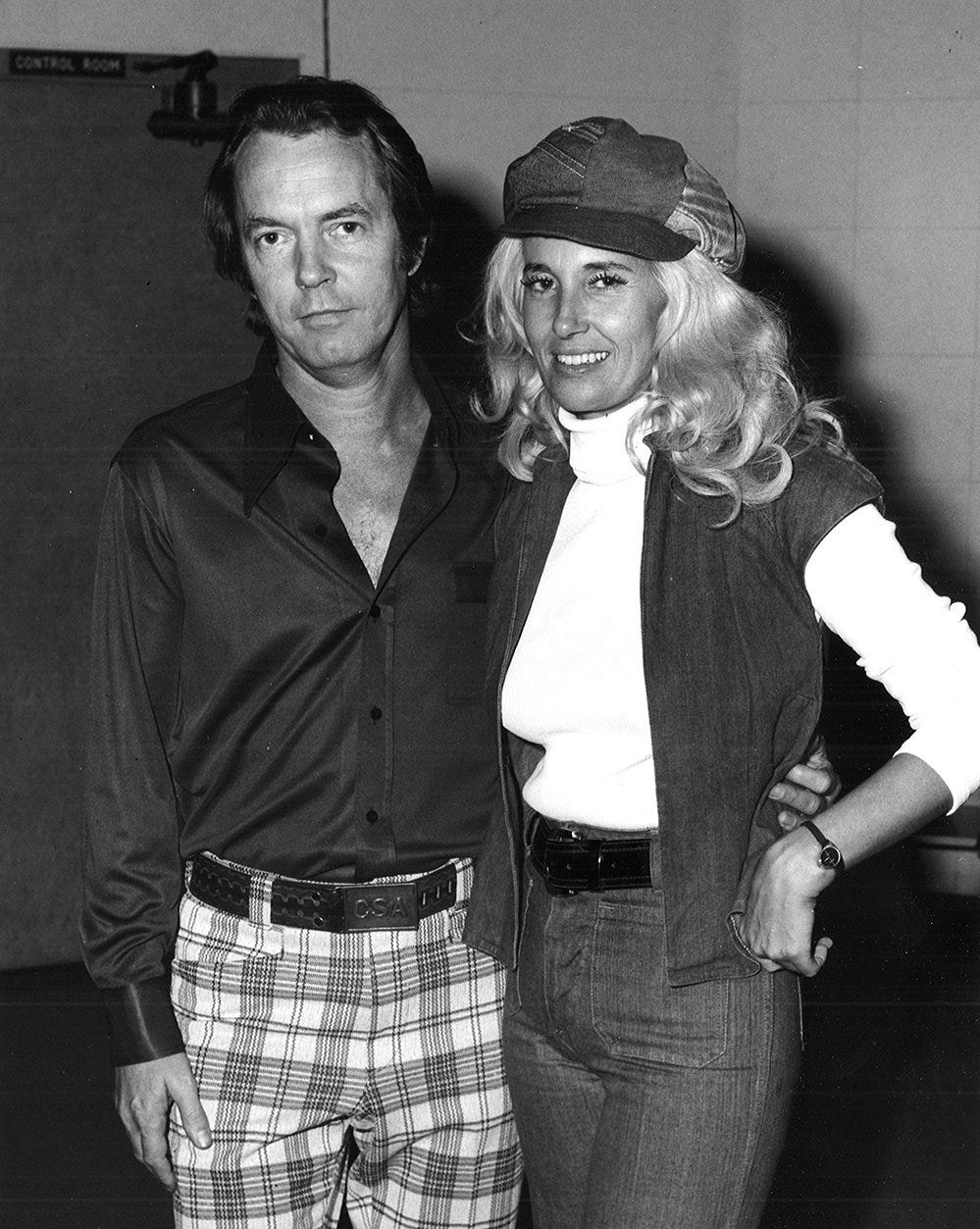
Later in the year he discovered Tammy Wynette, an Alabama hairdresser and waitress who entered his office, unannounced, early that year.
She had driven up from Alabama with her children in the car. She’d been turned away at every door on Music Row. She knocked on Sherrill’s door because she had nowhere else to go. He let her sing.
He is also the one responsible for Wynette selecting the stage name Tammy. Her real name was Virginia Wynette Pugh. He heard something in her voice that he understood — the Alabama in it, the church in it, the hurt in it — and he understood that it needed a frame. That frame was his job to build.
What followed was one of the most extraordinary producer-artist relationships in the history of recorded music. More than three dozen of Tammy Wynette’s songs produced by Sherrill — and often written by him, too — made the Top 10. Twenty of them, including “Stand By Your Man,” hit No. 1.
Twenty number one singles. With one singer. From one producer.
“Stand by Your Man” — still the most argued-over song in country music history, alternately praised as a timeless ode to devotion and condemned as an apology for servitude — was co-written with Wynette herself. It was recorded in fifteen minutes. Sherrill reportedly wrote the melody and the first verse on the spot. Wynette said she felt uneasy about it at first, thought it was too simple. Sherrill knew otherwise. He had that quality — the ability to recognize a song that was finished precisely because it didn’t say anything more than it needed to.
The production on that record is a lesson in restraint wearing gorgeous clothes. The strings arrive like weather. The background vocals act as a congregation. Wynette’s voice sits at dead center — vulnerable and absolutely certain at the same time. That combination of tenderness and conviction is the hallmark of Sherrill’s best work. He never let the arrangement compete with the singer. The orchestra was always in service of the human being at the microphone.
Charlie Rich: The Silver Fox in the Dark
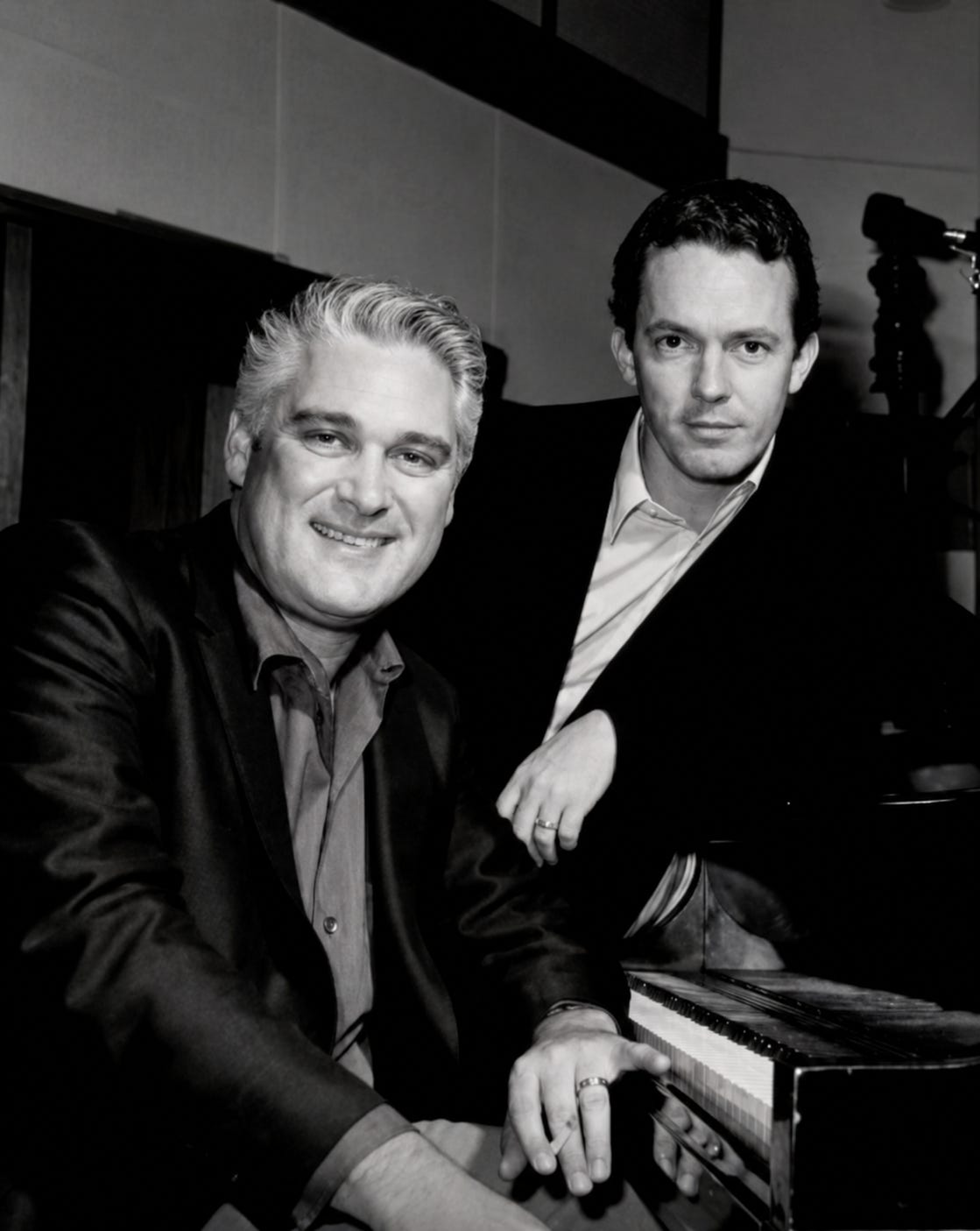
If Wynette was Sherrill’s most successful collaboration by raw numbers, Charlie Rich was his most artistically daring.
Rich was one of the most technically accomplished musicians in Nashville — a former Sun Records artist with a jazz piano background and a voice that belonged in neither honky tonk nor the Grand Ole Opry. Though the first handful of records that Sherrill made with Rich were unsuccessful, the pair would have some major hits during the early ‘70s.
When they finally connected, they connected completely. “The Most Beautiful Girl” still stands as a landmark of the genre. And Sherrill’s production on Rich’s work gave the Silver Fox something no previous producer had figured out — a sound that matched the sophistication of his playing without stripping away the emotion. Rich’s albums in this period felt like late-night recordings, intimate and slightly melancholy, the string arrangements sitting around him like candlelight rather than floodlights.
Sherrill wrote 18 songs that reached number one on the Billboard country chart. Rich accounted for a meaningful portion of them.
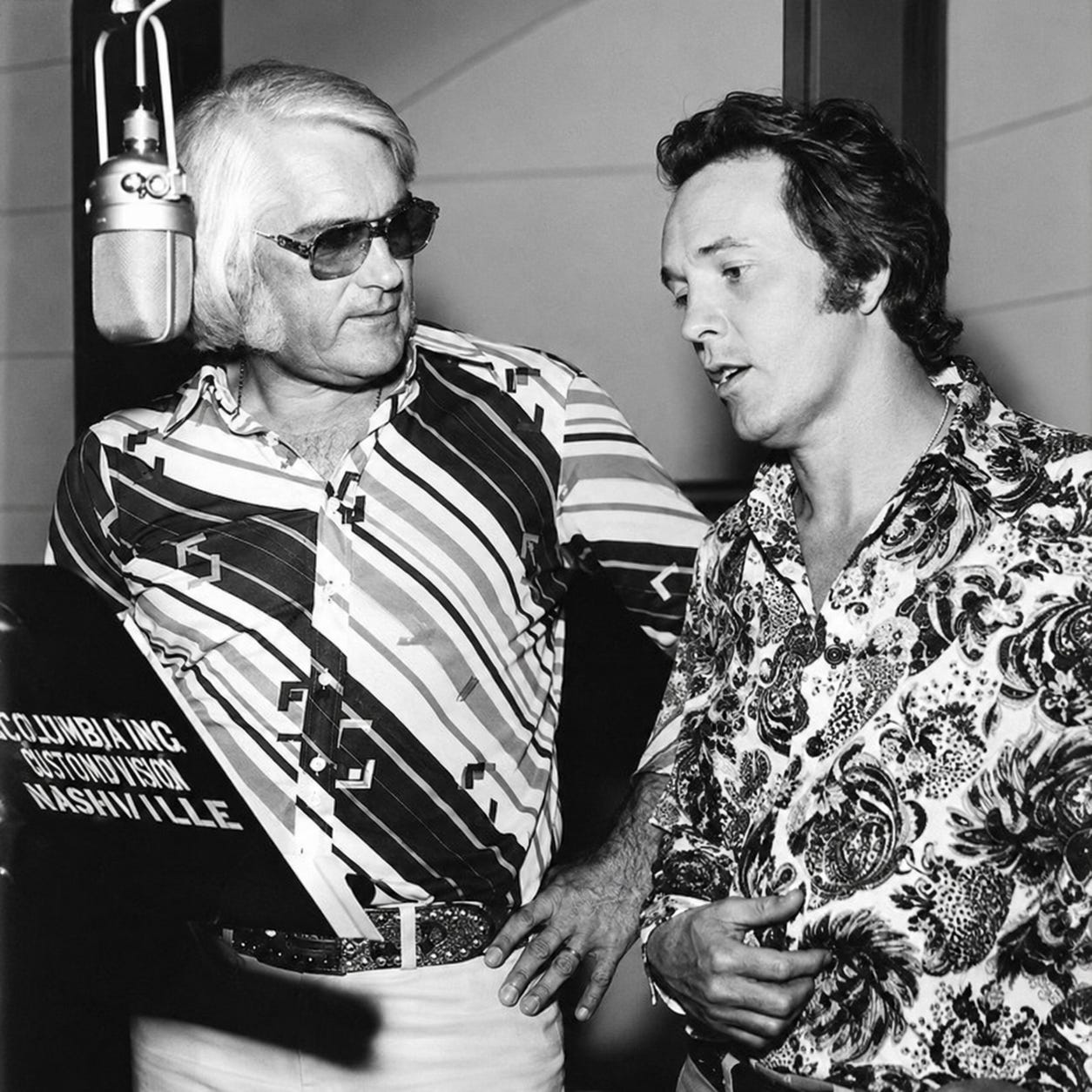
Nashville’s Phil Spector
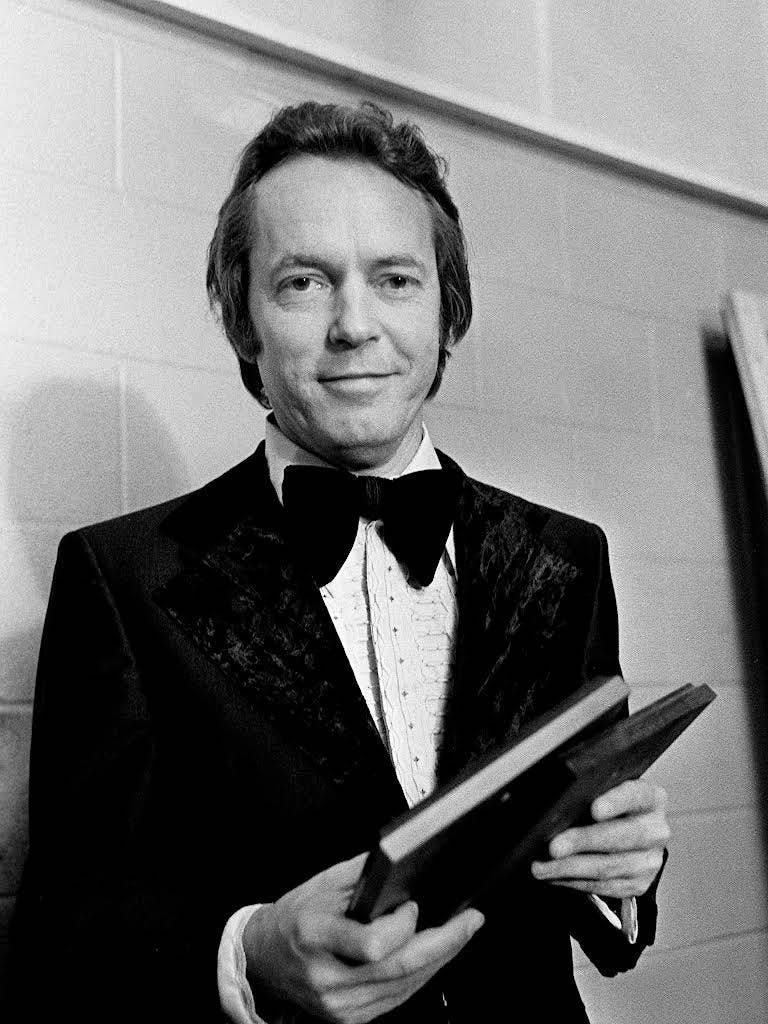
The comparison was inevitable and, in its way, exact.
His sound has often been described as a country equivalent to Spector’s Wall of Sound. Instead of relying on standard country instruments like steel guitars and fiddles, he recorded with string sections and vocal choruses, often overdubbing parts to give the music a grandiose, epic sound — in essence, it was the country version of pop producer Phil Spector’s famous Wall of Sound.
But the comparison only goes so far, and Sherrill’s version of the Wall was fundamentally different in one critical way: it breathed. Spector’s productions were dense to the point of abstraction — the singer sometimes felt embedded in sound like an insect in amber. Sherrill’s productions, however lush, always kept a center of gravity. The voice was always the event. The orchestra was always the frame.
Given his limited exposure to country music, his production incorporated many elements of pop music production, creating his own style of sweeping productions, influenced by Phil Spector, Don Law, and Chet Atkins.
Don Law was the great Columbia Records producer who had worked with Lefty Frizzell, Bob Wills, and Johnny Cash in his earlier incarnation. Chet Atkins had pioneered the original Nashville Sound — the first great attempt to make country music palatable to pop ears, replacing fiddles and steel guitars with choral voices and smoother arrangements. Sherrill absorbed all three of these men and synthesized something that belonged entirely to himself. He was never an imitator. He was an integrator.
He became known as the “Toscanini of Twang” as he added more of a modern, sophisticated musical sensibility to the so-called “Nashville Sound.” The label was affectionate, and accurate. Arturo Toscanini was the great orchestral conductor who believed that a conductor’s job was to serve the composer’s vision without ego. That was Sherrill in the studio. He had strong opinions about everything — song selection, arrangement, performance — but his ego was always in service of the record, never the other way around.
The Countrypolitan Wars
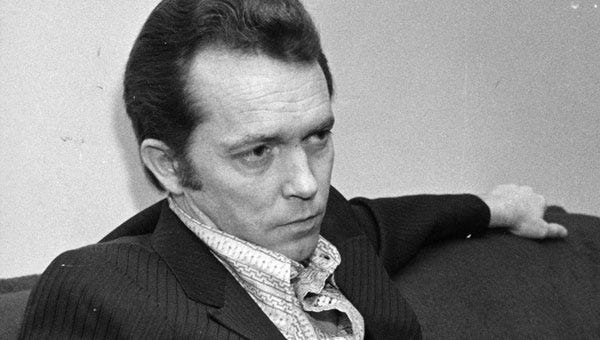
Not everyone was grateful.
Critics at the time said that Billy was “Sherrillizing” Jones: “Putting that string section with George Jones was criminal!”
The argument against Countrypolitan was an argument about identity — the fear, not entirely unfounded, that in making country music safe for people who didn’t love country music, you were making it into something country people couldn’t love anymore. The steel guitar crowd saw strings as a kind of occupation. The fiddle players felt they were being replaced by session musicians who’d never heard Hank Williams. The purists watched Sherrill’s records climb the pop charts and felt something being taken from them.
Some critics complained that his style wasn’t pure country. Duh.
Sherrill didn’t argue with them. He wasn’t interested in purity debates. He saw songwriting as part-and-parcel of producing, creating songs to fit his artists, their personalities, and their public images. His operating philosophy was simple: the song was the thing. If the song was true, the arrangement was just delivery. You could deliver a true song with a steel guitar or a string section or a church organ. What you couldn’t do was dress up a false song and make it live.
“With him, it has to be real,” said Joe Chambers, who wrote for Sherrill’s publishing company and worked for him at Epic Records. “He wanted you to write something with the words you’d hear if you were eavesdropping on a conversation.”
Eavesdropping on a conversation. That is perhaps the most precise definition of what great country lyrics are — not poetry, not literature, but the exact words someone in pain would choose when they didn’t know anyone was listening. Sherrill understood that instinctively, perhaps because of all those tent revivals, all those congregants confessing their troubles to the Alabama sky. He’d spent his childhood eavesdropping on human suffering and learning its particular wording.
George Jones and the Greatest Country Record of All Time
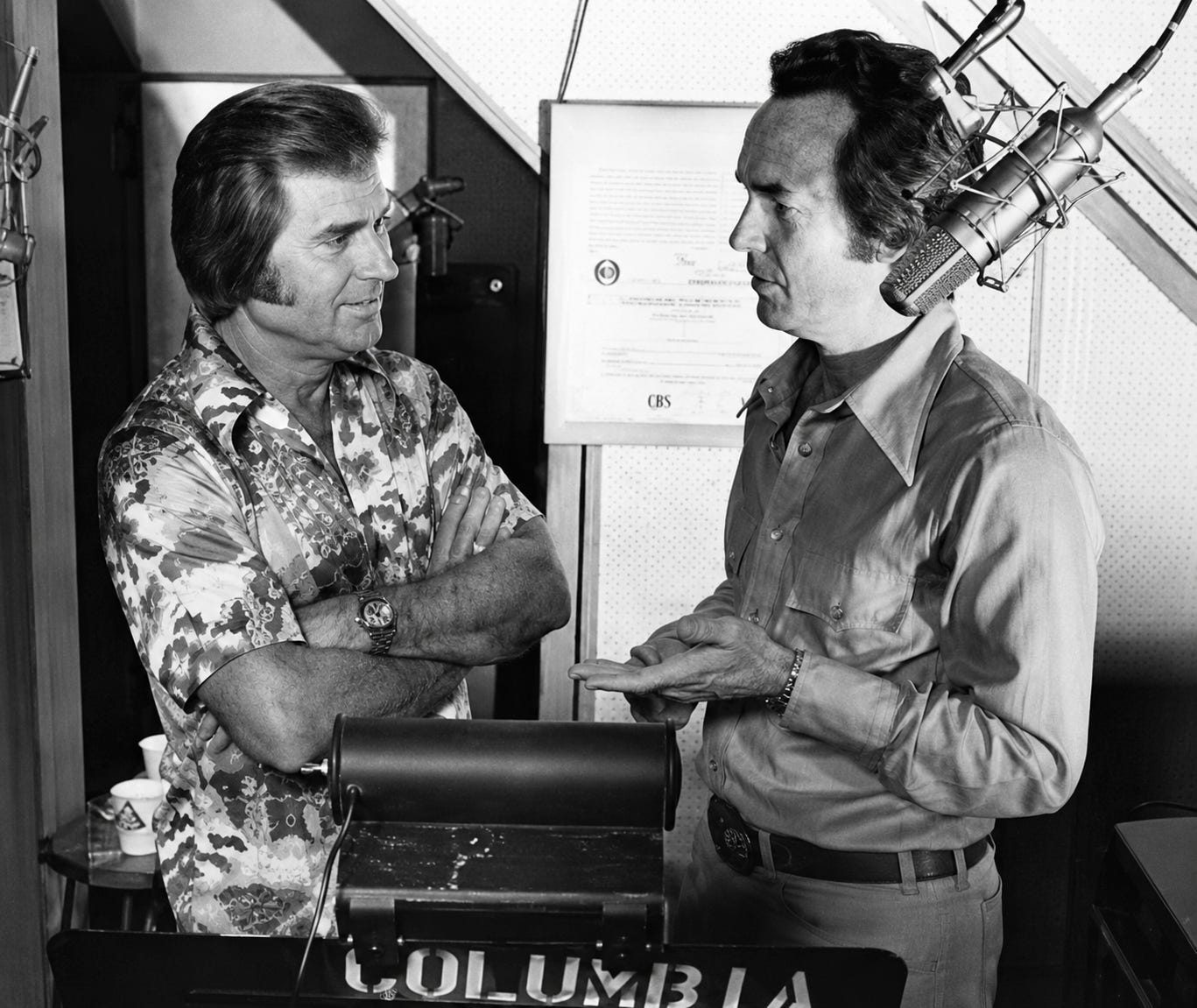
George Jones came to Epic Records in 1971. He was already a legend. He was also drinking himself to death.
His most successful collaboration was arguably with George Jones, who signed with Epic in 1971. Sherrill and Jones together created some of country music’s biggest hits and Jones’s finest performances. The records they made together in the early 1970s — “The Grand Tour,” “The Door,” “A Picture of Me (Without You)” — were extraordinary: honky tonk at heart but with an emotional grandeur that the production elevated without compromising.
Then came the song Jones didn’t want to record.
Producer Billy Sherrill introduced Jones to the song in 1978 but, according to Sherrill and Jones himself, the singer hated the song when he first heard it. In Bob Allen’s biography of the singer, Sherrill states: “He thought it was too long, too sad, too depressing and that nobody would ever play it.”
The song was “He Stopped Loving Her Today,” written by Bobby Braddock and Curly Putman — a song about a man who loved a woman his whole life, held her letters until the day he died, and only stopped loving her when they nailed the lid on his coffin. It is the saddest song in country music. It is also, by the near-universal consensus of critics, fans, and other artists, the greatest country record ever made.
The recitation was recorded 18 months after the first verse was — Jones was in such rough physical shape that the sessions were strung across nearly two years. The last words Jones said about “He Stopped Loving Her Today” was “Nobody’ll buy that morbid son of a bitch.”
He was wrong.
After the song topped the charts and reinvigorated Jones’s career, the singer changed his mind, and came to regard Sherrill as “a genius.” In 2007, the recording was named to the Grammy Hall of Fame.
What Sherrill understood about that record — and what makes his production of it the definitive argument for his genius — is that it didn’t need help. He understood Jones’s voice in a way few people did, and he understood that what it needed was not polish but space. Room to breathe. Room to hurt. The arrangement begins almost spare — harmonica suggesting pedal steel, drums held back like a held breath — and then opens slowly, the strings entering like grief arriving in stages, the background vocals arriving like mourners filling pews. It is the tent revival translated into recorded sound. The preacher’s son had been building toward this record his whole life without even knowing it.

Full Reach of the Sherrill Empire
By the mid-1970s, Billy Sherrill was the most powerful man in Nashville who wasn’t a singer. By 1980, Sherrill had been named Vice President/Executive Producer of CBS in Nashville.
By 1975, he was the most reliable hitmaker in Nashville. The artists who passed through his hands in this decade read like a museum exhibit of the form: Tammy Wynette, George Jones, Charlie Rich, Johnny Paycheck, Barbara Mandrell, Tanya Tucker, David Allan Coe, Marty Robbins. Each one came to him with something raw and left with something finished. Each one sounds, on their Sherrill records, more like themselves than they’d ever sounded before — which is the paradox at the heart of great production. The producer’s art is invisible when it succeeds. You hear the singer. You don’t hear the frame.
In 1981, Sherrill did something that surprised everyone and confirmed what the more perceptive observers had always suspected: he produced Elvis Costello’s country album Almost Blue in Nashville. He also produced Ray Charles’ 1984 duets album Friendship. These weren’t novelty projects. Sherrill heard voices that had something to say and built rooms for them to say it in. Genre was a tool, not a destination.
His Legacy
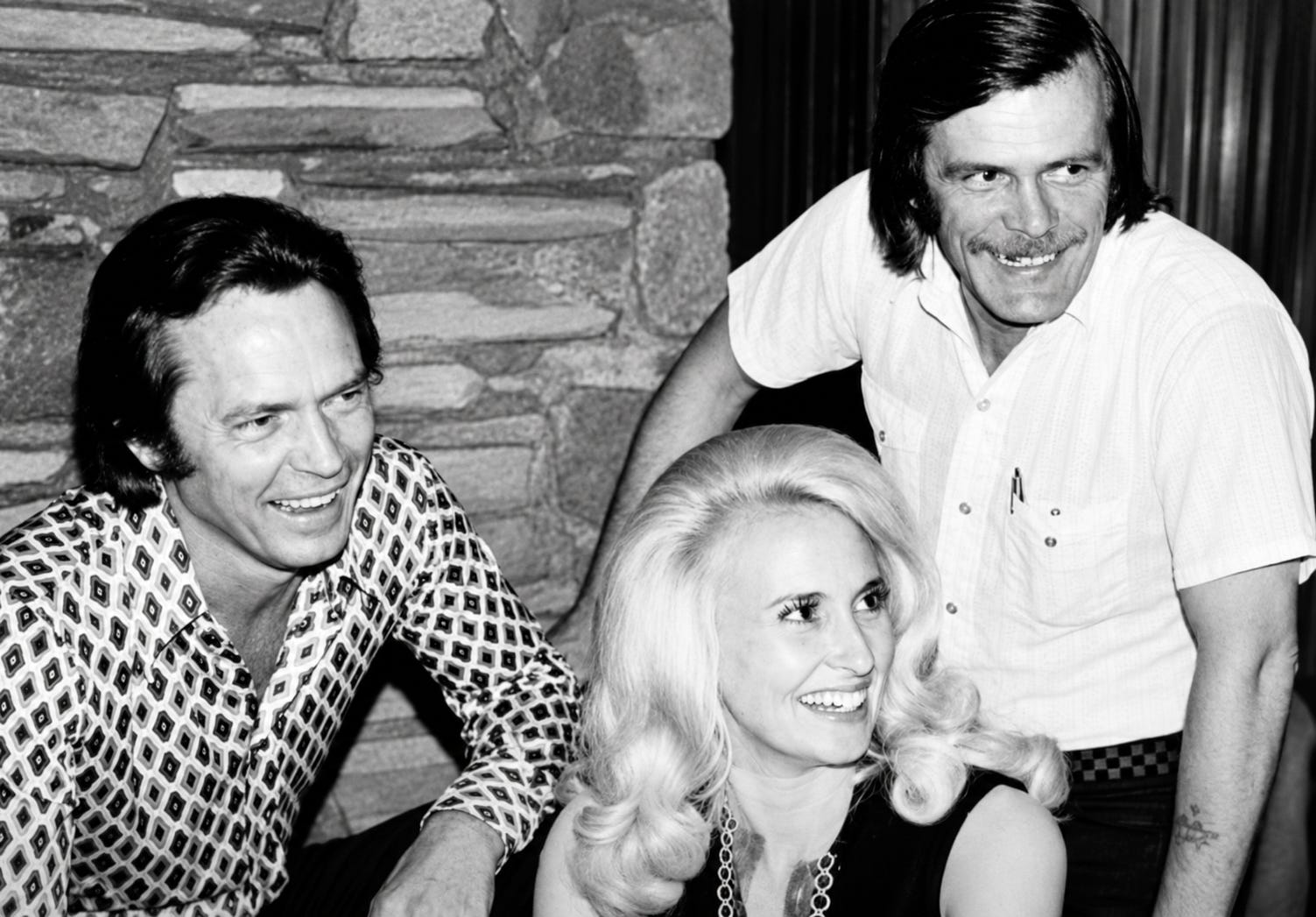
Sherrill was elected to the Country Music Hall of Fame in 2010. Billy Sherrill died in Nashville on August 4, 2015. He was 78 years old.
As songwriter Bobby Braddock, who co-wrote “D-I-V-O-R-C-E” and “He Stopped Loving Her Today,” told Variety: “Genius is the most overused word in the music business, but with Billy Sherrill, you can’t use it enough.”
The argument about what Sherrill did to country music has never fully resolved, and I don’t think it should. It is the argument about country music — whether the music belongs to those who made it first or to those who make it next, whether authenticity is a matter of instrumentation or human truth, whether a string section is a betrayal or a translation. Sherrill didn’t resolve that argument. He lived inside it and produced masterpieces from the tension.
“It never felt like work to me,” Sherrill said. “I produced records because I enjoyed producing them — making something that would live a lot longer than me.”
Something that would live a lot longer than me.
“Stand by Your Man” is still played every day in every country. “He Stopped Loving Her Today” is still, by most measures, the greatest country record ever made. The countrypolitan sound Sherrill built in those Epic Records studios on Music Row is still the template against which every lush Nashville production is measured — either in imitation or in reaction.
The preacher’s son from Phil Campbell, Alabama — the boy who played piano at tent revivals and saxophone in jump blues bands, who mixed records for Sam Phillips and discovered Tammy Wynette when she walked unannounced through his door — built something that outlasted him completely.
That is the definition of a life well spent in the service of music.
The congregation is still in the pews.
MESSAGE FROM THE AUTHOR
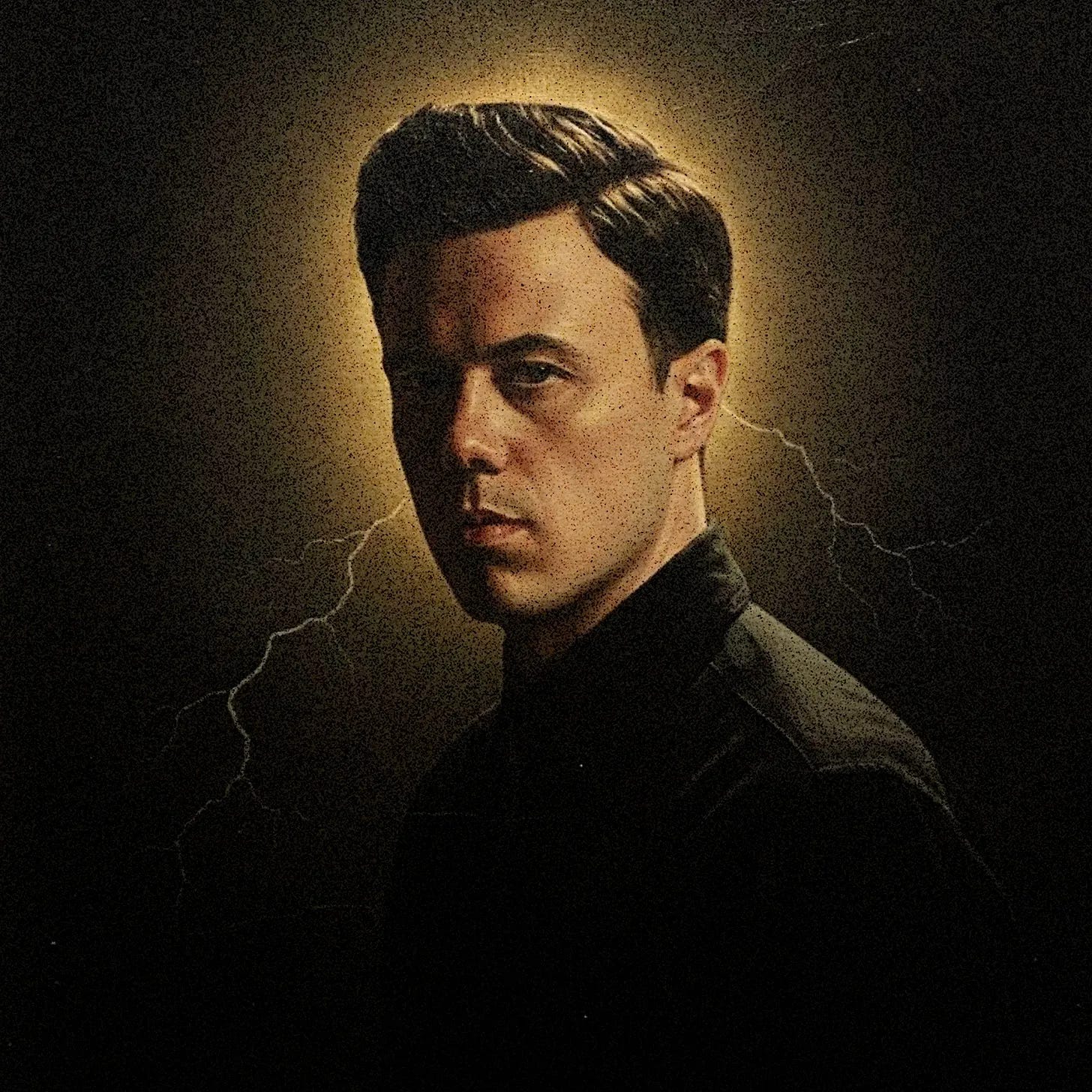
My name is Zachariah Malachi. I’m a full-time, self-employed honky tonk musician in Nashville, Tennessee. This Substack Publication was created for the purpose of sharpening my mind on more Nashville and Country Music history to share with the honky tonk patrons downtown during my shows - but I wanted more folks to benefit from the research so - it’s my gift to the country music fans of the world AND the people who WANT to be. Subscribe and come along for the ride.
We don’t deserve your brilliant essays! My arm feels pleasantly twisted to subscribe. Will do now
…eavesdropping on a conversation. That is perhaps the most precise definition of…great lyrics