


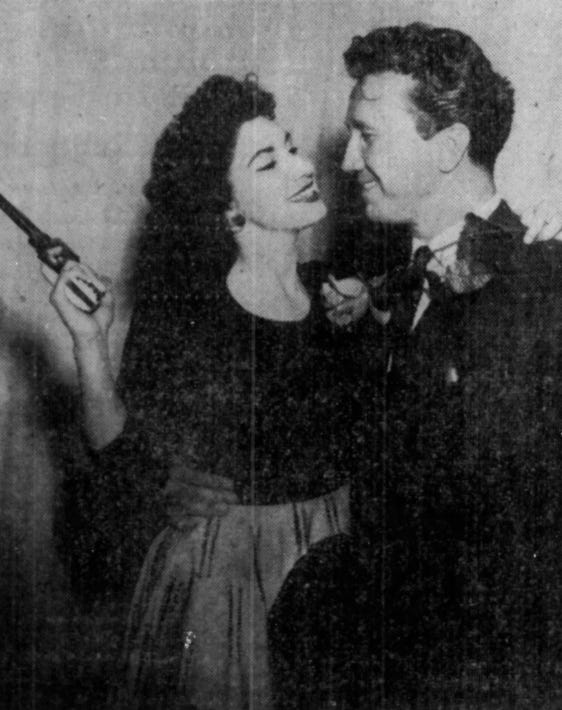
Marty Robbins and Cira Serros as “Felina” in 1960.
I want you to picture this.
It’s 1957.
You’re in a roadside bar. The floor’s sticky, the air smells like beer and bad luck, and the jukebox is glowing like a radioactive altar.
Some guy named Earl just spent his last dime…
…to hear a woman get murdered again.
And nobody complains.
Because this—this right here—is the golden age of:
“Play it again, I wanna hear the part where she dies.”
The Business Model: Tragedy Per Nickel
Before playlists, before streaming, before “discoverability,” there was one brutal metric:
Would someone pay to hear it twice?
The jukebox didn’t reward subtlety.
It rewarded impact.
A happy song? One play.
A sad song? Maybe two.
A murder ballad?
→ “Run that back. I missed the stabbing.”
That’s not taste. That’s economics.
And 1950s country music figured it out fast.
The Lineup: Hits with a Body Count
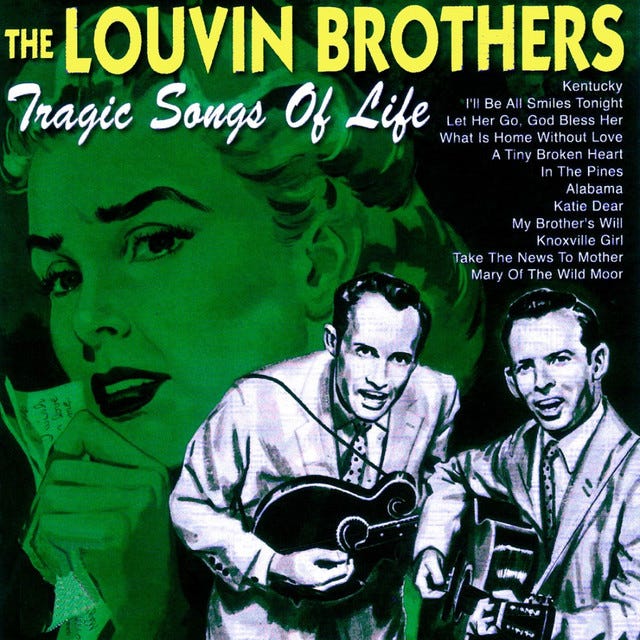
“Knoxville Girl” – The Louvin Brothers (1956)
This isn’t a song—it’s a crime scene with harmony vocals.
A man walks out with his girl.
Comes back alone.
Then calmly explains how he killed her.
No metaphor. No poetry. Just evidence.
This is a direct descendant of Appalachian murder ballads, the kind scholars trace back centuries—but now pressed onto vinyl and fed into a machine that takes coins.
And here’s the trick:
You don’t just hear it.
You lean in.
You play it again to catch the details.
That’s how a song becomes a product.
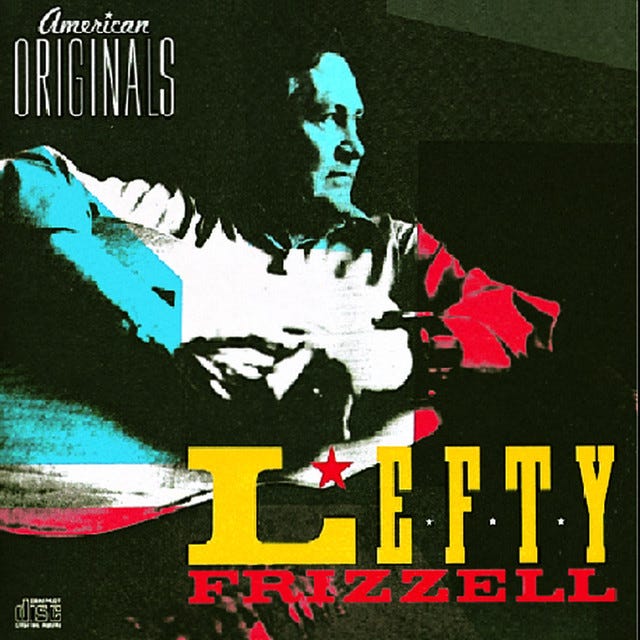
“Long Black Veil” – Lefty Frizzell (1959)
Now we slow it down.
A man is accused of murder.
He could save himself—but he’d have to admit he was cheating with his best friend’s wife.
So he chooses to hang.
And every night, she visits his grave in a long black veil.
It’s gothic before country had a name for gothic.
Death. Sex. Silence.
And just enough mystery that when it ends, you don’t feel finished.
So you play it again.
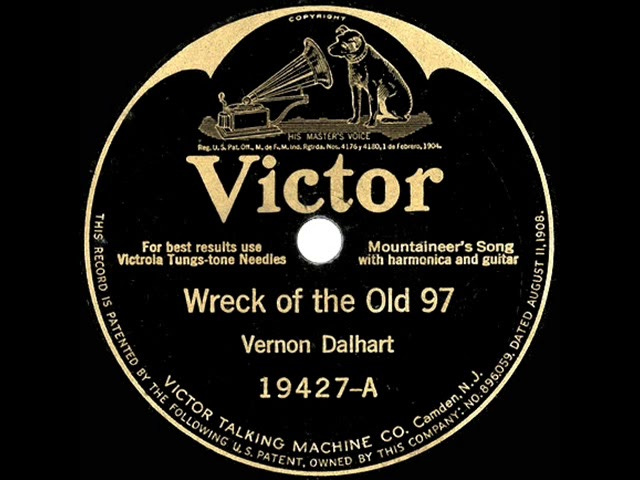
“Wreck of the Old 97”
This one’s pure momentum.
A train engineer is behind schedule.
He pushes too fast.
The train leaves the tracks.
Everybody dies.
No twists. No ambiguity. Just velocity meeting gravity.
Working-class listeners didn’t need imagination here—they knew exactly what this meant.
That’s why it stuck.
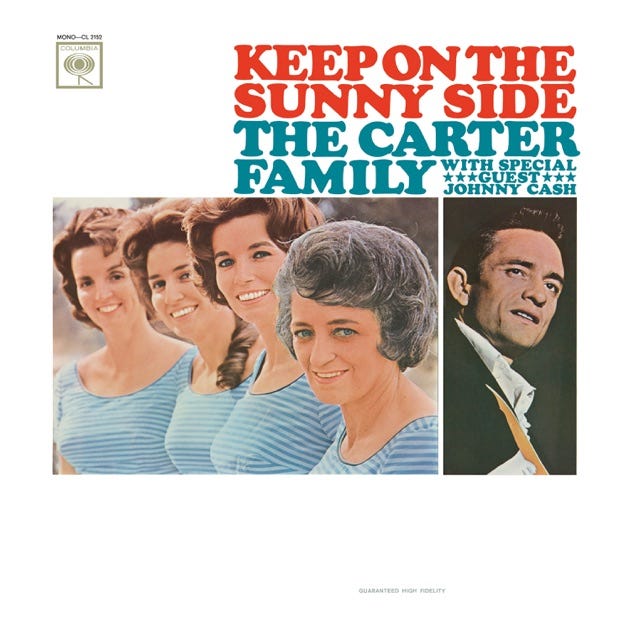
“Banks of the Ohio”
This one’s quiet. Too quiet.
A man asks his lover to marry him.
She says no.
So he drowns her.
Just like that.
No escalation. No warning. Just a polite conversation that ends in murder.
And the delivery? Calm. Almost gentle.
That’s what makes it linger.
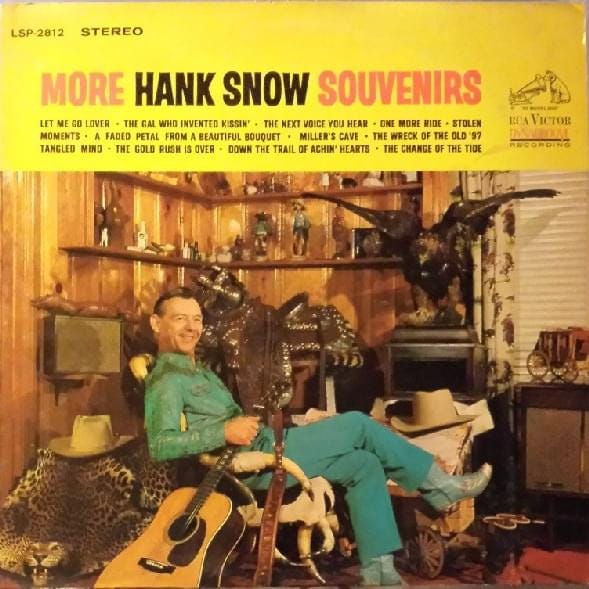
“Miller’s Cave” – Hank Snow (1959)
Now we get efficiency.
A man suspects his partner is cheating.
Invites her—and the other guy—to a cave.
You already know how this ends.
Three people go in.
One comes out… with a record.
No wasted time. No courtroom drama.
Just premeditated storytelling with a chorus.
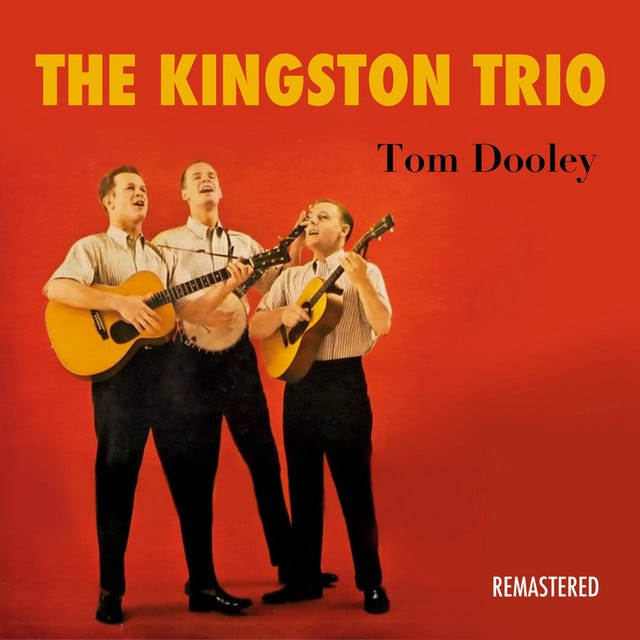
“Tom Dooley” – Kingston Trio (1958)
True story. Which makes it sell even better.
A man kills his lover.
He’s captured.
He’s hanged.
And somehow—somehow—the chorus is catchy enough to sing along to an execution.
That’s the formula at work:
If it’s got a hook, people will sing about anything.
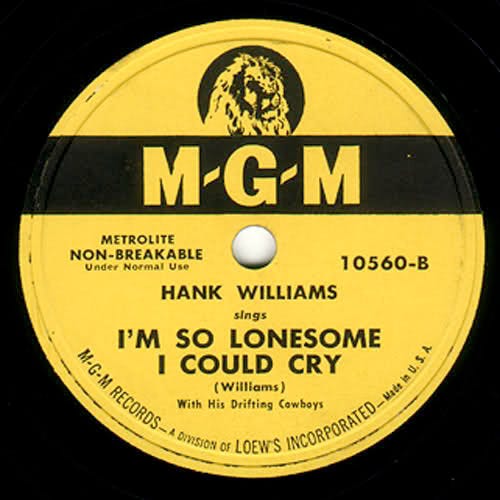
“I’m So Lonesome I Could Cry” – Hank Williams
No one dies here.
But emotionally? Nobody survives..
A whippoorwill cries.
The moon hides.
A man dissolves into loneliness.
This is the other side of the same coin.
Not death—but the feeling that death might be simpler.
And in a jukebox economy, that kind of emotional precision hits just as hard.
The Machine Behind the Music
Here’s what the record labels understood—eventually.
Not first. Eventually.
Because the jukebox figured it out before they did.
These songs had clear narratives
They delivered emotional payoff fast
And most importantly—they made people reach for another coin
That last part is everything.
Once a song proved it could:
Get replayed
Get talked about
Get requested
Labels didn’t ask why.
They asked:
“Can we get three more like this by Friday?”
Why They Couldn’t Get Enough Doom?
This wasn’t just a cultural trend.
It was a supply problem.
A death song hits → jukebox spins spike → radio picks it up → demand explodes.
And suddenly:
Pressing plants are behind
Distributors are scrambling
And every label is chasing the same formula
Because the data—such as it was—was undeniable:
Tragedy moved units.
My Final Thought?
These songs worked because they did something modern music often avoids:
They committed.
They gave you:
A beginning
A middle
An end
And a body
All in under three minutes.
No ambiguity. No filler. No vibes-only abstraction.
Just:
“Here’s what happened. Here’s who died. Here’s the chorus.”
And somewhere, in a pressing plant in 1958, a guy is staring at another order sheet full of murder ballads and saying:
“Why is every hit record about a corpse?”
And the answer is simple:
Because the jukebox don’t lie.
And the jukebox… likes a good funeral.
ABOUT THE AUTHOR

Zachariah Malachi — known as The Count of Country Music — is a singer, musician, actor, and writer based in Nashville, Tennessee. He writes about the American dark the way a man writes about a fire he was too close to — not as a historian, but as a survivor.
Don't forget Psycho by Eddie Noack