


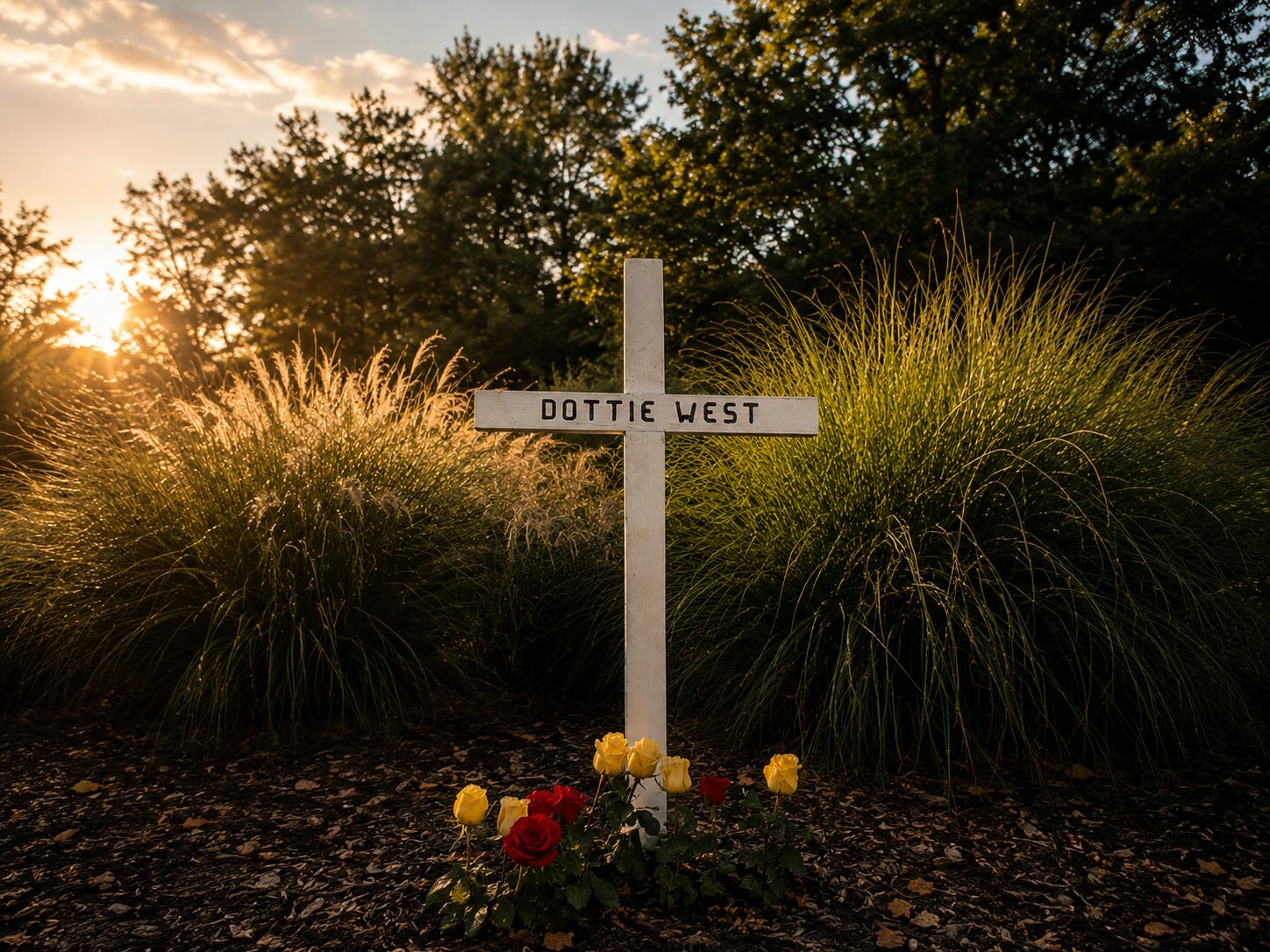
Two Women Worth Knowing
Before the story, you need to know who these women were.
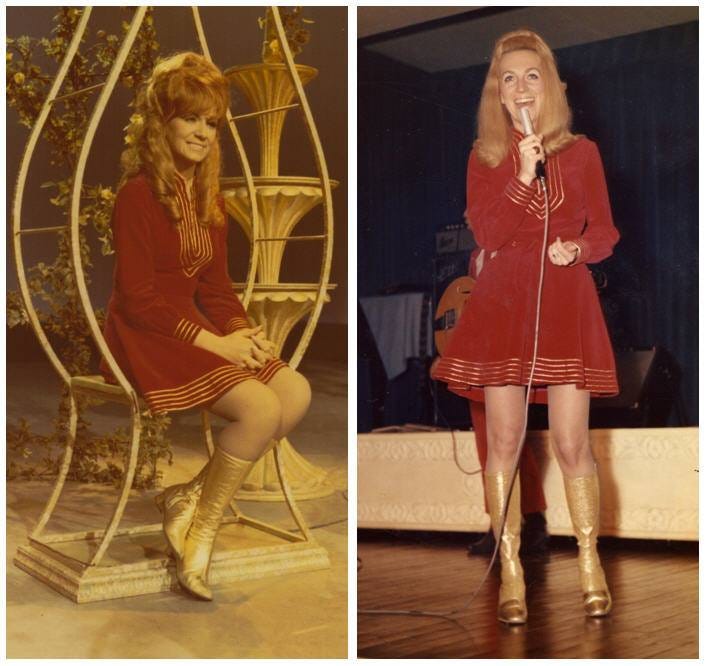
Dottie West was born Dorothy Marie Marsh on October 11, 1932, in McMinnville, Tennessee — the eldest of ten children raised in poverty, with a father whose abuse eventually landed him in prison. She worked her way through Tennessee Polytechnic Institute on a music scholarship, married steel guitarist Bill West, and spent years driving from Cleveland to Nashville on weekends, knocking on every door she could find. When RCA’s Chet Atkins finally signed her, she rewarded him with “Here Comes My Baby” — a song she wrote herself, a Top Ten country hit, and the record that earned her a Grammy in 1964 as the first female country artist to ever win one. She became a Grand Ole Opry member that same year. Through the late sixties and seventies she racked up duet hits with Jim Reeves, Don Gibson, and Kenny Rogers, and wrote the “Country Sunshine” jingle for Coca-Cola that crossed over to the pop charts and won a Clio Award. By the late seventies she was a legitimate crossover star. By the mid-eighties, bad investments and a changing industry had dragged her into bankruptcy. The IRS auctioned off her possessions. Kenny Rogers gave her a car. She kept showing up to the Opry anyway.
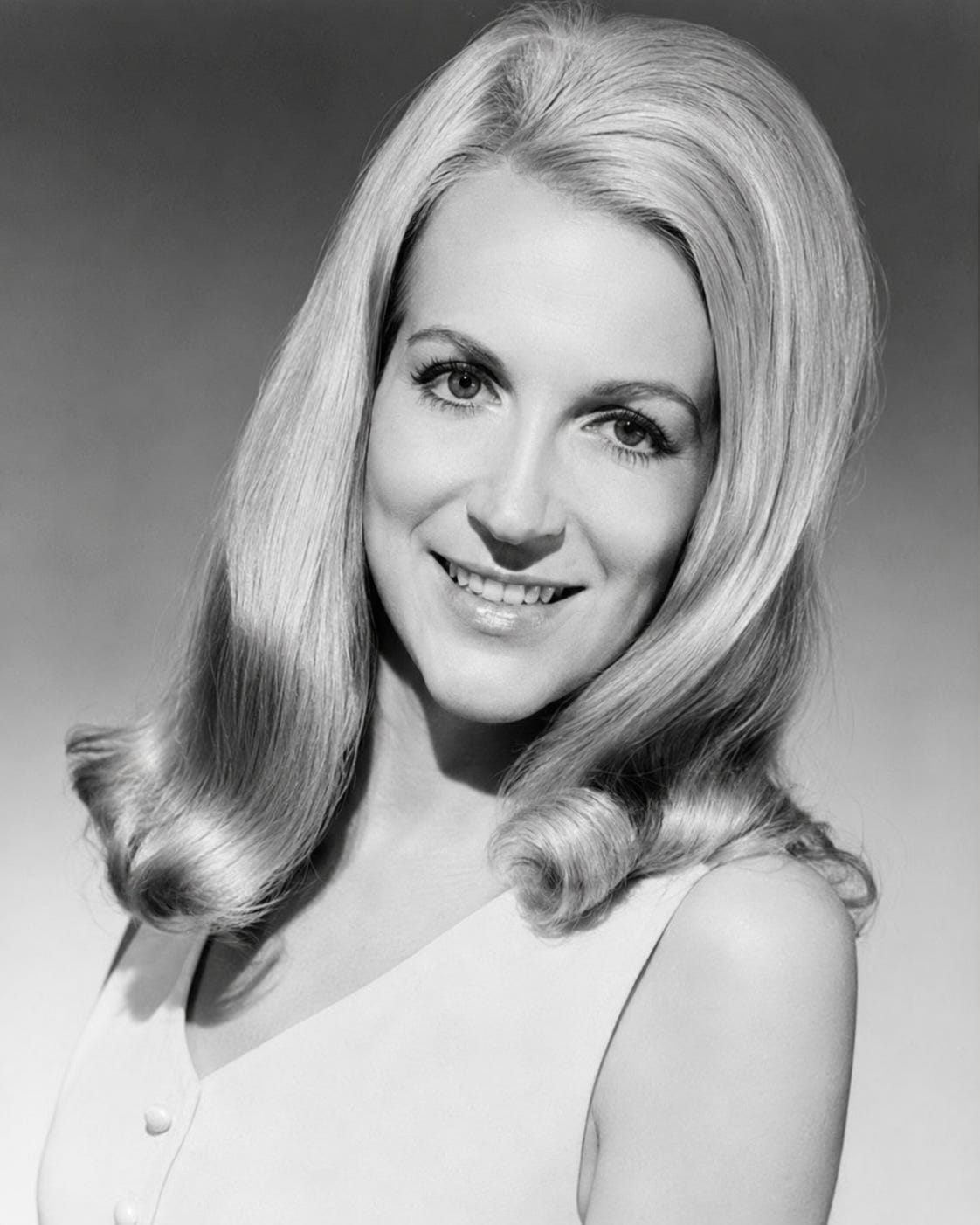
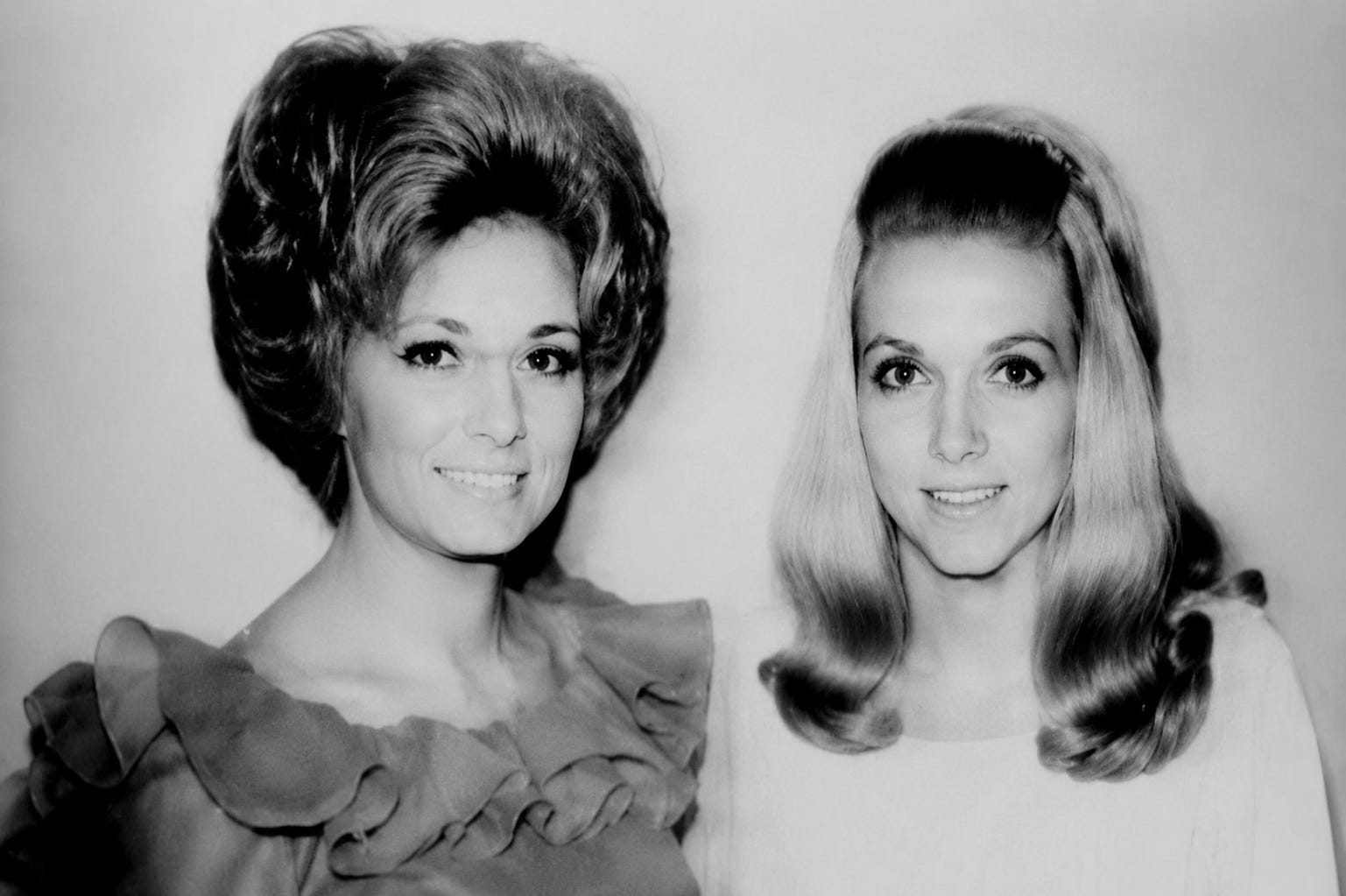
Jeannie Seely was born July 6, 1940, in Titusville, Pennsylvania — farm country, a long way from Music Row — and she was singing on local radio by age eleven. She drove herself to Los Angeles in her early twenties with everything she owned, took a secretarial job at Liberty Records just to get inside the business, and started writing songs. One of those songs caught the ear of Dottie West. West recorded it, and then told Seely: Nashville is where you go to learn. Seely arrived in 1965 with fifty dollars. Within a year she had a record deal with Monument and a song called “Don’t Touch Me” that hit the Top Five. In 1967 she won the Grammy for Best Female Country Vocal Performance and was inducted into the Grand Ole Opry — the first Pennsylvania native to become a member, and later the first woman to regularly host its segments. She appeared on the Opry stage 5,397 times before she died in August 2025. More than any other artist in its hundred-year history.
Two women. Two Grammys. Two careers that left a mark on this music that time hasn’t worn away.
This is the story of friendship that supersedes death.
Nashville
Dottie West is the reason Jeannie Seely ever came to this city.
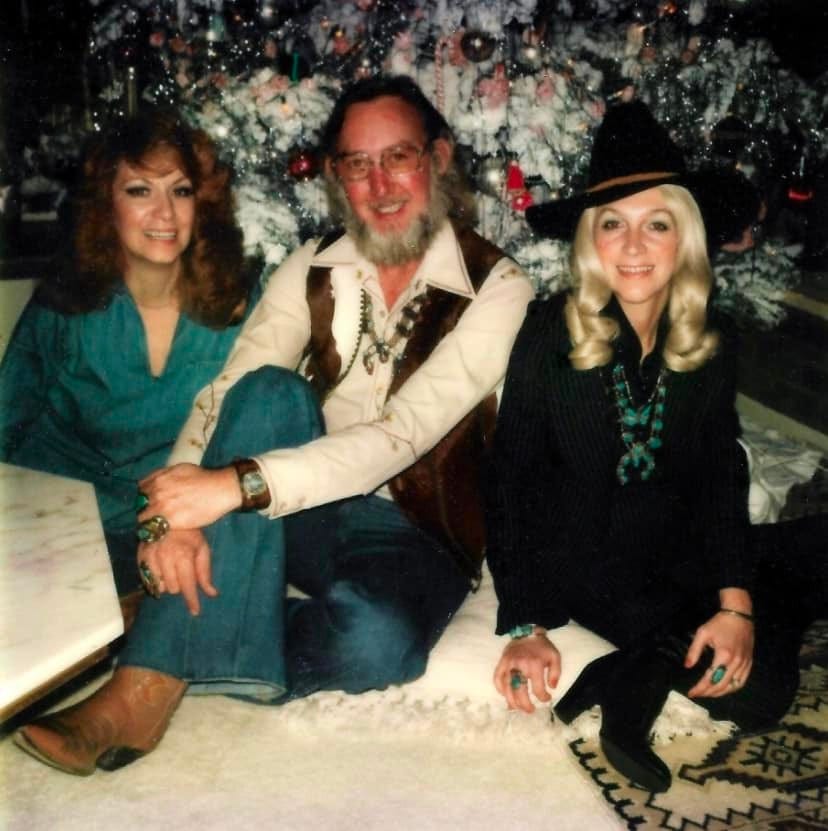
It started the way the best things in this music do — with a song. West recorded a Seely-penned track titled “It Just Takes Practice” for her 1965 album Dottie West Sings, and the two built a friendship from there. West told Seely, plain and simple: Nashville is where you go to learn. Seely arrived with fifty dollars and a voice with so much soul, it could strip the paint off the walls of the Ryman. Within two years she had a Grammy.
But the friendship wasn’t built on career favors. It ran deeper than that. Seely would later say that her admiration for Dottie West began long before they ever met — back home in Pennsylvania, watching West on the Landmark Jamboree television show, drawn immediately to her voice, her class, her style, her presence. “Once we met in person,” Seely recalled years later, “that admiration only grew because I got to see what kind of person she was, how kind and how generous, and just plain fun. She was the kind of girl you want for a friend.”
1977
Jeannie Seely was involved in a near-fatal automobile accident that left her with serious multiple injuries. The historical record is quiet on the specific details — the where, the cause, the full inventory of damage done to her body. I’ve heard rumors. Jeannie and I went out to lunch one day and she said to me, “If I told you how hard my other friends were partying back then, then I’d be telling on myself too because I with them.” I loved her so.
But what the record does preserve, in Seely’s own words spoken years later, is this: when it happened, Dottie West was there as much as she possibly could be.
That’s it. That’s the whole fact. And it’s enough.
West showed up. She came through. And Jeannie Seely healed up, got back on her feet, and resumed a career that would eventually log more Grand Ole Opry performances than any artist in the institution’s hundred-year history. Facts.
You want to know what Dottie West gave Jeannie Seely? She gave her Nashville. And then, when Nashville nearly took her out, she gave her the encouragement and help to come back.
The Road Takes Back What It Gives
The cruel part of the story comes fourteen years later.
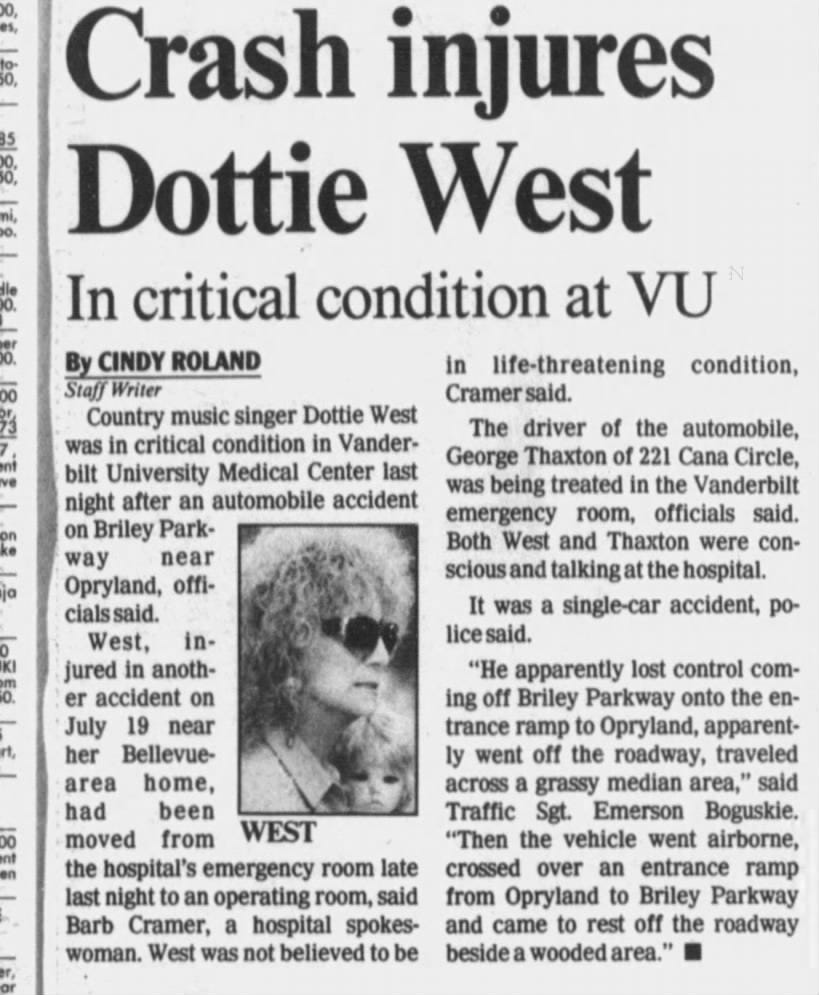
On August 30, 1991, Dottie West was scheduled to perform at the Grand Ole Opry. She was 58 years old, coming off a brutal decade — bad investments, a bankruptcy, an IRS auction that stripped her of her possessions. The car she was driving that night was a Chrysler New Yorker that Kenny Rogers had given her after the auction took everything else.
It stalled on Harding Road.
Her 81-year-old neighbor, George Thackston, spotted her stranded on the side of the road and offered her a ride. West was already running late. She urged him to hurry.
Thackston lost control of his car on the exit ramp to Opryland — going 55 miles per hour on a ramp posted for 25. The vehicle went airborne and slammed into a concrete divider.
West didn’t appear to be badly hurt. That’s what the officers on the scene reported. That’s what some witnesses said. She walked away from it, or something close to it.
But a medical evaluation told the real story: a ruptured spleen, a lacerated liver, internal bleeding that her body couldn’t stop. She endured surgery after surgery at Vanderbilt University Medical Center. She received 30 units of blood. On September 4, 1991 — five days after the crash — her heart gave out while she was being prepared for another operation.
She was on her way to the Opry. Same as she’d always been. Still showing up, still running toward the stage, right up until the end.
Every Damn Light in Heaven
The story doesn’t end there, because Jeannie Seely wasn’t going to let it.
Since West’s death in 1991, Seely became the most tireless keeper of her flame. She launched the annual Dottie West Birthday Bash in 2016. She campaigned for years for West’s induction into the Country Music Hall of Fame. The induction finally came in 2018 — twenty-seven years after West’s death, but it came. Seely took the stage alongside West’s family to accept the honor. She talked about Dottie’s love of candles — how she kept them everywhere, all of them burning at once.
“I can’t help but think,” Seely said, “that she’s gonna have every damn light in heaven burning tonight.”
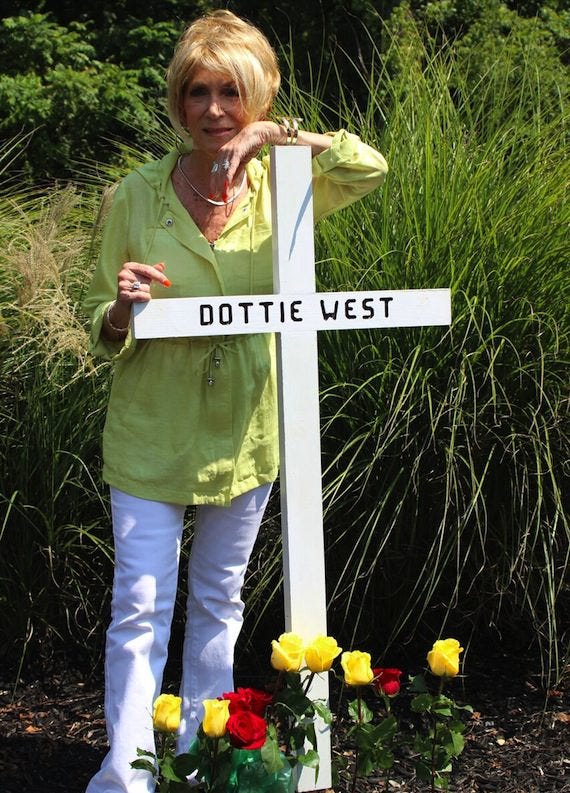
On the 25th anniversary of the crash, Seely drove out to the Briley Parkway exit on Interstate 40 — the exact spot where the car went off the ramp — and placed a memorial cross.
She stood on the side of the road. The same road. And she marked it. Made sure nobody forgot what happened there, or who was lost.
Some Debts You Carry Because You Want To
I keep thinking of the whole ying yang effect with this friendship.
Dottie West pulls a young woman from Pennsylvania toward Nashville. Dottie West holds that same woman together after a crash almost kills her. Then a crash kills Dottie West. And Jeannie Seely spends the rest of her life — thirty-four years — making sure the world knows who Dottie West was.
Think of a special person that has passed on that’s helped you along the way. Some debts you carry not because you have to, but because the person who helped you was worth carrying. Because letting them fade — letting the years and the noise swallow what they built — is a kind of betrayal you won’t live with.
Jeannie Seely wouldn’t live with that.
She was there as much as she possibly could be.
She learned that from Dottie.
ABOUT THE AUTHOR:
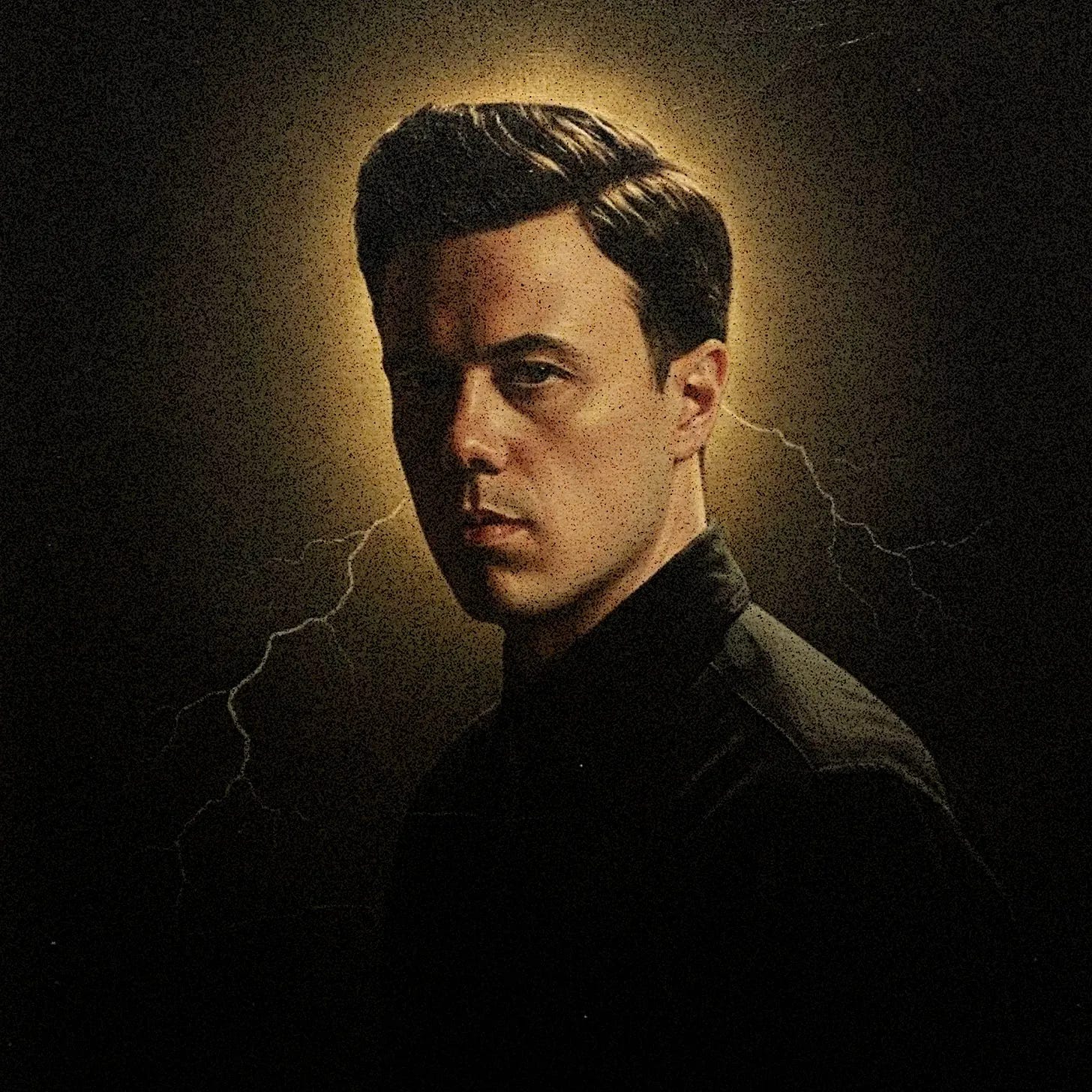
My name is Zachariah Malachi. I’m a full-time, self-employed honky tonk musician in Nashville, Tennessee. This Substack Publication was created for the purpose of sharpening my mind on more Nashville and Country Music history to share with the honky tonk patrons downtown during my shows - but I wanted more folks to benefit from the research so - it’s my gift to the country music fans of the world AND the people who WANT to be. Subscribe and come along for the ride.
Loved Dottie. We used to air an ad she did for Country Pride (I think) sausage that had her standing in a bathrobe frying up some patties (it was on 16mm film which tells you how long ago was that.) Her robe opened enough to get a tiny peek — and she was a looker — so it was the most popular ad with the all-male engineering staff 😂
Great story Zachariah!