


I always paid attention to lyrics.
I remember the first time I heard Hank Williams sing and KNEW it was Hank Williams. I heard “Hey Good Lookin’” in the womb — I’m fairly certain — but I remember a little boy in the backseat of a car on I-75 Southbound to Tennessee from Detroit listening to “Lovesick Blues” for the first time.
“I Got A Feelin’ Called The Blues... Oh Lord, Since My Baby Said Goodbye...”
Whoa. This was pain.
And from Hank on, I spent the rest of my life examining country music with a fine-toothed comb. There’s one prominent thing I’ve noticed as a pattern. There’s a lot of beautiful major chord melodies with lyrics so painful they can tear your heart out and stomp on it.
It’s almost contradicting. Why?
Why didn’t these artists and songwriters really want to evoke the pain they felt by putting these lyrics to a dreary minor key melody? Why dress a wound in Sunday clothes?
They tried it out in Colorado — and it hits hard.
I was forever a fan after my first time listening to Slim Cessna’s Auto Club.
Who? Let me tell you.
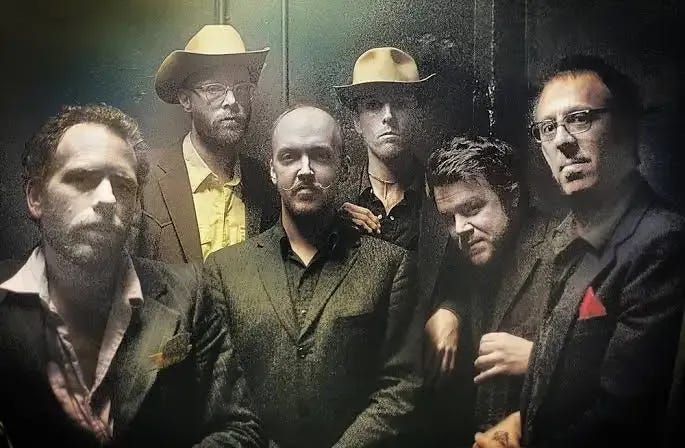
There is a version of American music history that includes the Denver Sound. In that version, the story of where country went dark — where it picked up the banjo and the accordion and the black robe and started preaching damnation from a hole in the ground — gets told properly. The names get said. The records get played. The conversation happens. That version does not exist. This is the version that does.
What happened in Denver in the late 1980s was not supposed to happen anywhere, let alone there. Gothic country — if you want to call it that, and some people don’t, and those people are correct to be suspicious of the term — did not emerge from Nashville, Tennessee. It did not emerge from Austin, Texas. It did not drunkenly crawl off of Bourbon Street or from any Appalachian holler, though it carries the sound of all or those places in some form or another.
It came from Denver, Colorado.
From a city that most people associate with ski lodges and craft beer and the Broncos. From a group of musicians who had grown up inside evangelical Christianity, absorbed its terrors and its ecstasy, and then turned it into something that would have made their preachers weep.
The Denver Sound is the most important American music movement you were never taught about.
Patient Zero
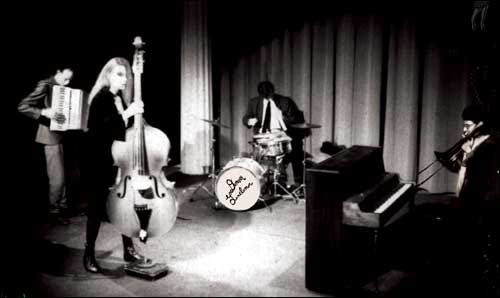
The story begins in 1988 with a band called The Denver Gentlemen. That name tells you everything and nothing. Jeffrey-Paul Norlander, David Eugene Edwards, eventually Slim Cessna — these were young men from church backgrounds, which is the only background that produces this kind of art. When you are raised in the language of sin and redemption, of fire and mercy, of the blood of the lamb and the wrath to come, that language does not leave you. It rearranges itself. It finds new containers.
The Denver Gentlemen were playing with early jazz, gospel, country, and roots music in a configuration nobody had assembled before. Piano. Old-fashioned accordion. Chimes. A Montgomery Ward guitar. The brother of one member sometimes played a Black & Decker saw. A glockenspiel showed up. This was not just being eccentric for the sake of it. This was the sound of people reaching back past the clean, radio-friendly version of American music and grabbing the older and much stranger thing hiding underneath it — the thing that still had some sharp teeth.
“American Gothic hymns with old-wrold carny music” — that was the phrase that someone reached for when describing it. And, it’s not like they are wrong. They just aren’t done with the description, either. It’s also a sèance. A tent revival where the congregation was already dead.
The recordings The Denver Gentlemen made were released too late to capture what was actually happening in those rooms. By the time the documents surfaced, they had already become artifacts. Legendary, yet frozen. The band was always better understood as a transmission more than as a catalog.
The Splitting
In 1992, the body broke apart. David Eugene Edwards left to form 16 Horsepower with Jean-Yves Tola. Slim Cessna left to form Slim Cessna’s Auto Club. This was not a collapse of a sound. This was patient zero becoming an epidemic.
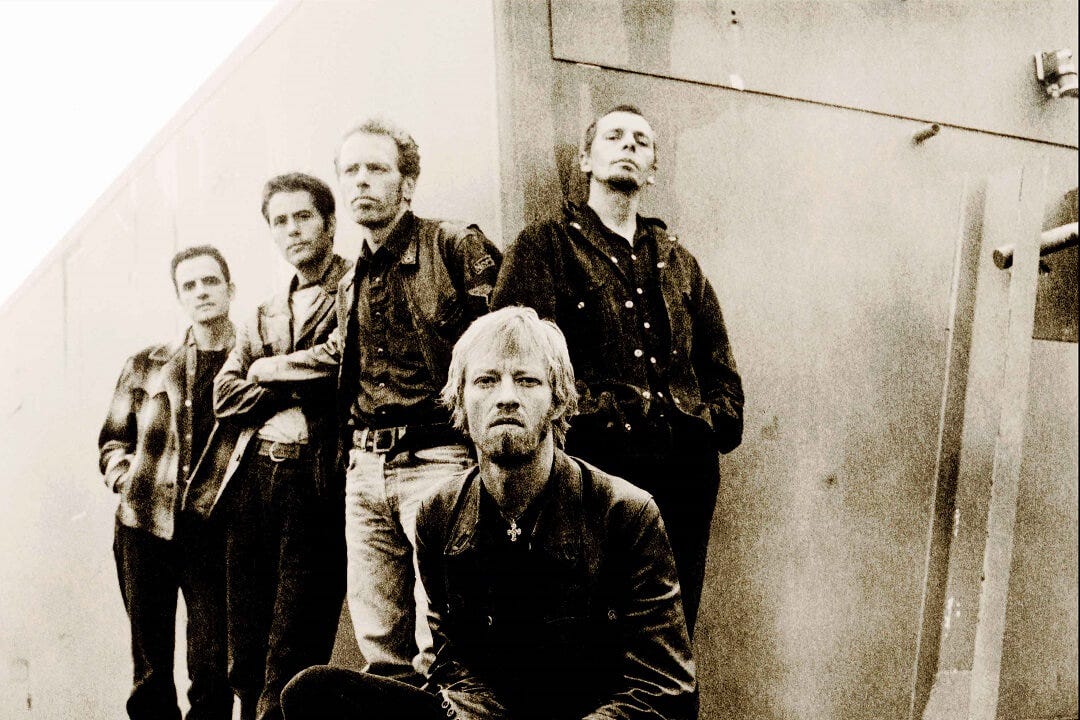
16 Horsepower is the band you pull out when you need to explain what the Denver Sound means to someone who has never heard it. The banjo, the chemnitzer accordion, the gospel imagery — not as decoration but as the actual subject matter. Edwards had grown up the grandson of a Nazarene preacher, and those Saturdays spent watching his grandfather deliver the Word to whoever would stand still long enough had not passed through him without leaving marks. His songs were about conflict, redemption, punishment, and guilt. They were not metaphorical about it. They meant it. They played it like a man standing in front of a congregation that was also a jury.
The band was, by any measure, substantially more famous in Europe than in America. The Netherlands and Belgium really liked them. David Eugene Edwards introduced an adoring European market to what the Denver Sound was before most Americans had any idea it existed. Sadly, that makes sense.
Slim Cessna’s Auto Club took a different angle on the same compound. Where Edwards carried the scripture like a weapon, Cessna carried it like a wound. Jello Biafra, of all people, put it best: Slim Cessna’s Auto Club was “the country band that plays the bar at the end of the world.” That description adhered because it was simply, structurally accurate. The Auto Club performed on bills with Johnny Cash and the Dresden Dolls. That range tells you something. That range tells you everything you need to know.
What The Sound Actually Was
I want to be as precise as possible about this, because imprecision is how things get lost and forgotten. The Denver Sound was not gothic rock with banjos, alt-country that got sad or a form cowpunk that got spiritual. It was something that had no clean antecedent, though you can see the outline of it if you hold Tom Waits and Nick Cave up against the old Appalachian death ballads and the sanctified gospel sounds of the rural South. The outline is there. But the Denver Sound did not trace it. It stepped directly through it.
What these bands understood — and what the Nashville machine has never understood and will never understand — is that the darkness in American roots music is not a flaw that should be painted over or corrected. It is not a mere phase the music went through before it got clean and commercial. It is the actual substance of the music. The murder ballads, the chain gang songs, the old-time gospel that could not show the difference between terror and love — these were the entire point. The Denver Sound followed that without apology and without irony, which is the only way to follow it honestly. Go for it’s jugular.
The instrumentation followed from the theology of it. You do not play this music on a clean electric guitar with studio compression. You play it on the instruments that were present when the original realm was created — the fiddle, the banjo, the accordion, the human voice pushed to the edge of where sound becomes something else - think Southern Baptist minister. The cello showed up. The mandolin showed up. The drums were there, but they were not in front. The Denver bands were building a genre.
The Family Tree
If you trace the subsequent spread from patient zero, the shape of it is remarkable. Edwards moved through 16 Horsepower and into Wovenhand. Slim Cessna’s Auto Club cycled through players who became significant in their own right — Munly, Dwight Pentacost, others who went on to form or join the Kalamath Brothers, Tarantella, the Lee Lewis Harlots, Munly & The Lupercalaians Denver Broncos UK. Each one a mutation of the original signal, each one carrying enough of the source code to be recognizable.
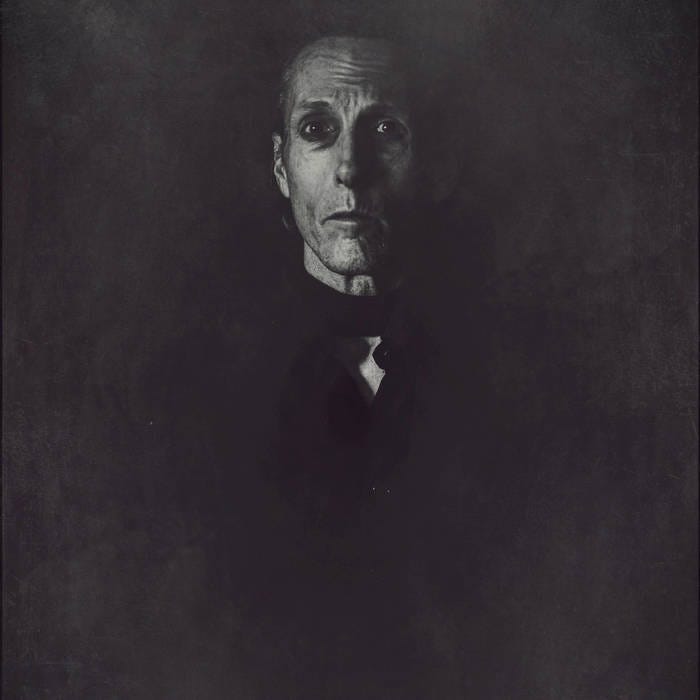
Bob Ferbrache, who produced and engineered for multiple acts in this constellation, is a name that does not appear in the mainstream history books and should. DeVotchKa emerged from the same general proximity. The ecosystem was genuine and self-sustaining in a way that most regional scenes manage for about four years before they exhaust themselves or get bought.
Denver did not get bought. Denver got ignored, which is a very different kind of ending.
Why You Are Just Now Learning About This
This is the part of the story that I find genuinely instructive — which is to say, genuinely enraging. The Denver Sound was not obscure because it was bad or overlooked because it was uncommercial in some obvious way that made radio programmers throw up their hands. It was overlooked because it was inconvenient. Because it didn’t fit. Because American popular music, by the time the Denver Gentlemen were playing those rooms on Colfax Avenue, had already decided what country and folk music was and what it was not, and what the Denver Sound was doing was pulling the genre toward a history and sound that the industry had worked very hard to bury and sand down and make presentable.
The Nashville Sound had already happened. The great smoothing had already occurred years ago. Commercial country radio had already decided that the darkness and the terror and the authentic strangeness of American roots music was a liability rather than an asset. The Denver Sound arrived at that moment and said, with complete sincerity and zero interest in your approval: No.
Europe listened - the Netherlands and Belgium listened. The people who recognized what they were hearing listened. The American music industry looked at what was happening in Denver and declined to participate, and then eventually got around to calling the whole thing “gothic country” and filing it under “niche” and moving on. (Always funny how the deniers of a style of music are the ones always trying to give it a name).
There is nothing new about this story. The institution always does this. The institution did it to Hank. It did it to Lefty Frizzell. It did it to George Jones every time he refused to “modernize”. The institution has one move and it uses it on everyone who shows up with the actual thing instead of the approved replica. The Denver Sound showed up with the actual thing. The institution filed it under “niche”, smiled and went right back to work.. filing other art under the “niche” label.
Why Does It Matter Now?
I bring this up because we are living in a moment where the approved replica has become so thin that people can see through it. The search for something with weight — something with actual roots in the American experience rather than in a music marketing brief — has become more urgent. And the answer, or one of the answers, has been sitting in Denver since 1988, patiently waiting for someone to tell the story correctly.
The Denver Sound is not a museum piece. It is a living tradition, and it is the tradition that runs most directly from the original sources — from the gospel and the murder ballad and the Appalachian shape-note singing and the country blues — without stopping to clean itself up first. The people who built it understood something that most of the American music industry still does not: that the darkness is not a problem to be solved. It is the source of REAL and RAW material. And what do people in life need? Something they can empathize with and understand.
Slim Cessna’s Auto Club recently announced they are breaking up. Thirty-plus years. The end of the bar at the end of the world. David Eugene Edwards is still making music under Wovenhand, still carrying the original transmission onward. The rest of the family tree is still out there, doing the work without much fanfare and without much institutional support, the same way they always had done.
I want you to know their names. I want you to go find the records. I want you to understand that the story of American music is bigger and stranger and darker and more honest than what gets handed to you by default. But, you already knew that.
The Denver Sound is part of that story. It deserves its proper chapter. And now, it’s on Substack.
Go dig…
Start with The Denver Gentlemen. Then 16 Horsepower’s Secret South. Then Slim Cessna’s Auto Club’s Always Say Please and Thank You. Go from there. Follow the thread wherever it leads to. I’m sure it will lead somewhere cool.
ABOUT THE AUTHOR:
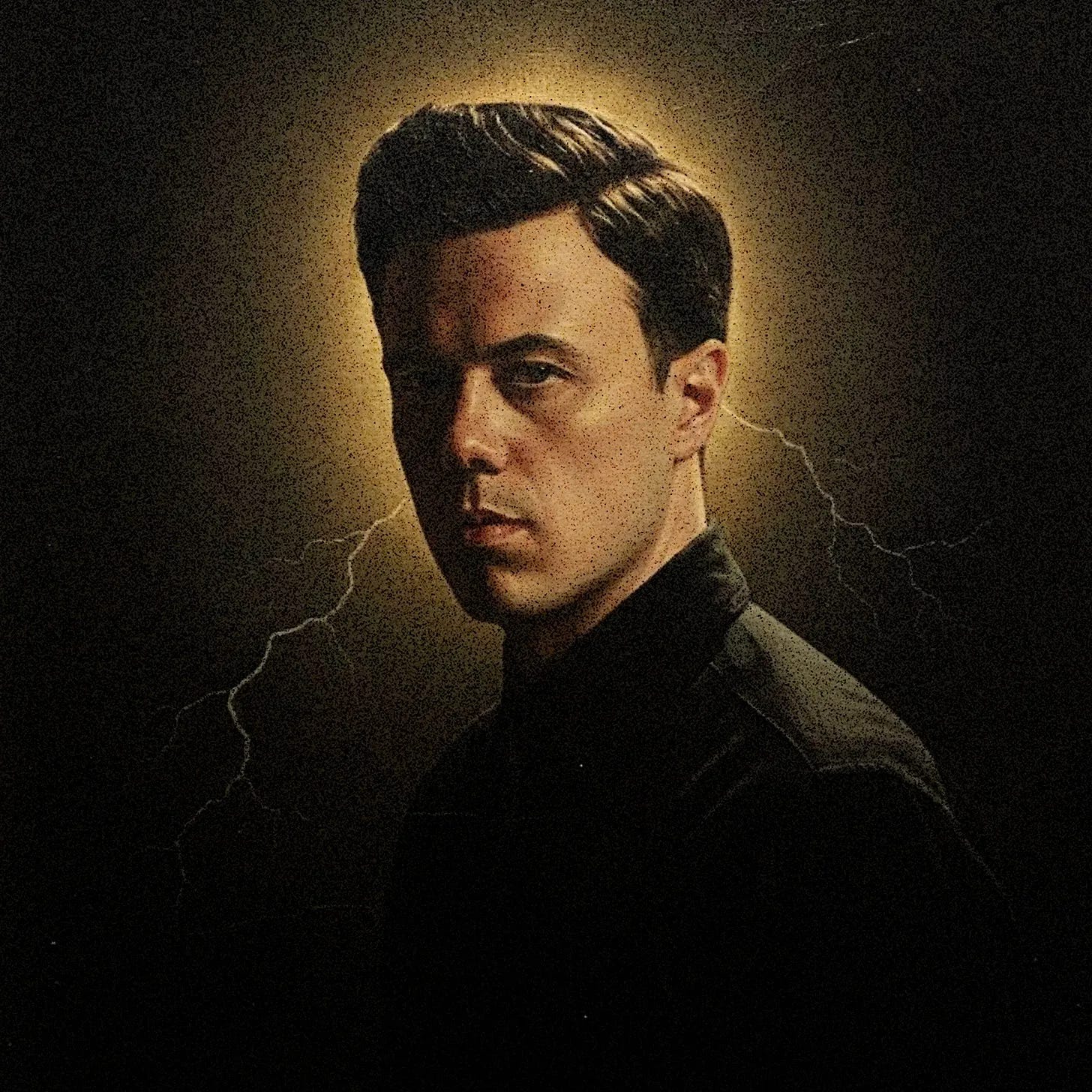
My name is Zachariah Malachi and I’m a full-time self-employed musician in Nashville, Tennessee. I started this Substack as a way to research, organize and learn new stories in country music that I didn’t know and wanted to share with the visitors that come to town.
This publication is dedicated to the country music fans and the people that want to become one. If you have a love for history, darkness and American music - you may want to subscribe.
My brother got me into this scene a while ago. Great music! Maybe you've seen it but there is a guy in Sweden who has a website dedicated to it...The Swedish Embassy of Gothic Country.
Furiously adding to my listening list. Do you ever play in Charleston, SC?