


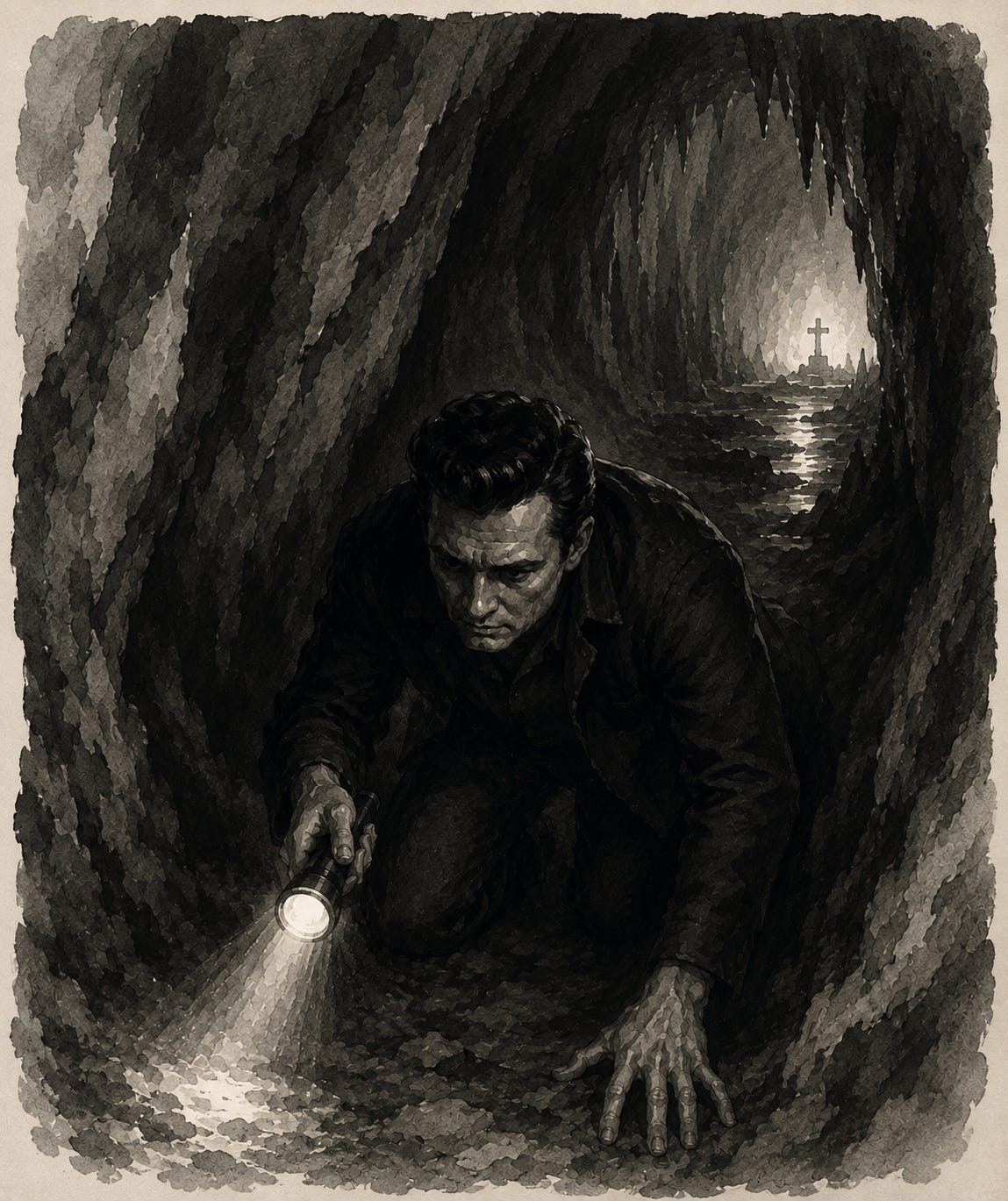
The jeep sits empty at the mouth of the cave, engine ticking as it cools. It’s October 1967, somewhere along a bend of the Tennessee River near the Alabama-Georgia line, and the man who climbed out of it has no plan to turn around and come back for it. He has driven out here from Nashville alone, which is itself a kind of confession — there is no one left he wants beside him for this.
He is thirty-five years old, and yet, he looks fifty. Amphetamines and barbiturates have been eating him for a decade, hollowing his face into something gaunt and grey, tearing up his voice, destroying his shows, wrecking every soft thing that used to live inside of him. He has been arrested. He has been hospitalized. He has nodded off at the wheel of a tractor and burned down a stretch of California forest without even remembering it. He has alienated the band, worn out his family, and driven away almost everyone patient enough to have stayed this long — including, more than once, June Carter, who keeps coming back anyway, and he cannot understand why.
Nickajack is a hole in the limestone, a cave system carved by water over thousands of years, mile after mile of darkness winding back under the ridge. Cash had heard the stories — Confederate saltpeter miners, Union raids, men who wandered in and never found their way out. And that’s the reason that he’s there. He wants a place that will finish the job and ask no questions.
He clicks on his flashlight and starts crawling.
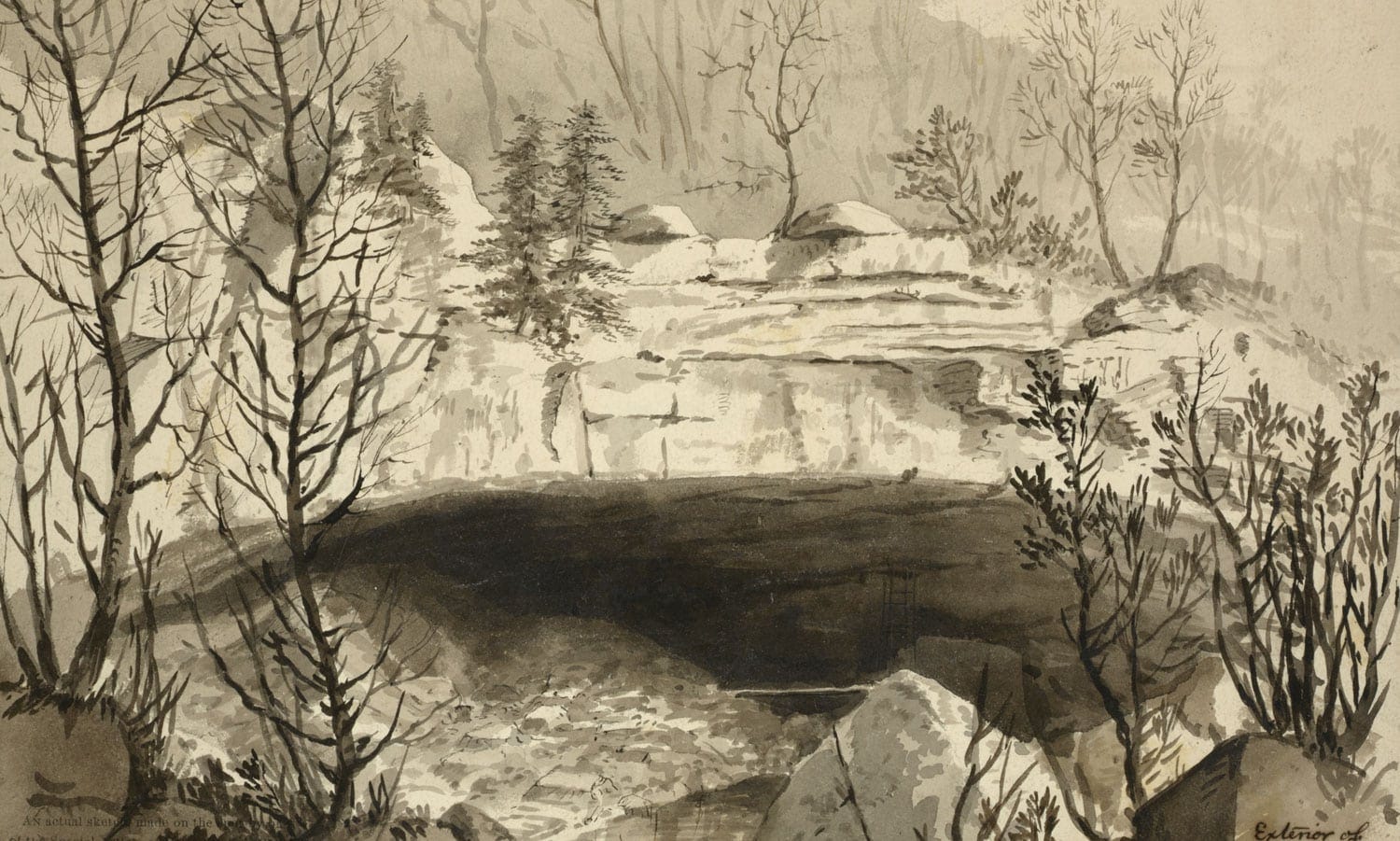
There is a particular kind of dark that exists nowhere on the surface of the earth — not in a closed closet, not in the deepest country night with the moon behind clouds. Cave dark has no bottom to it. No end to it. It doesn’t let your eyes adjust because there is nothing to adjust to. It presses.
Cash goes into that dark on his hands and knees, working his way back through passages that narrow and drop and narrow again, and he keeps going long after the sensible part of any man would have turned around. Hours pass. The batteries in the flashlight start to thin, weaken, gutter, and finally die completely, and he is left in the middle of the mountain with no more light than a dead man has.
So he lies down. This was the plan working as intended. But it was actually happening.
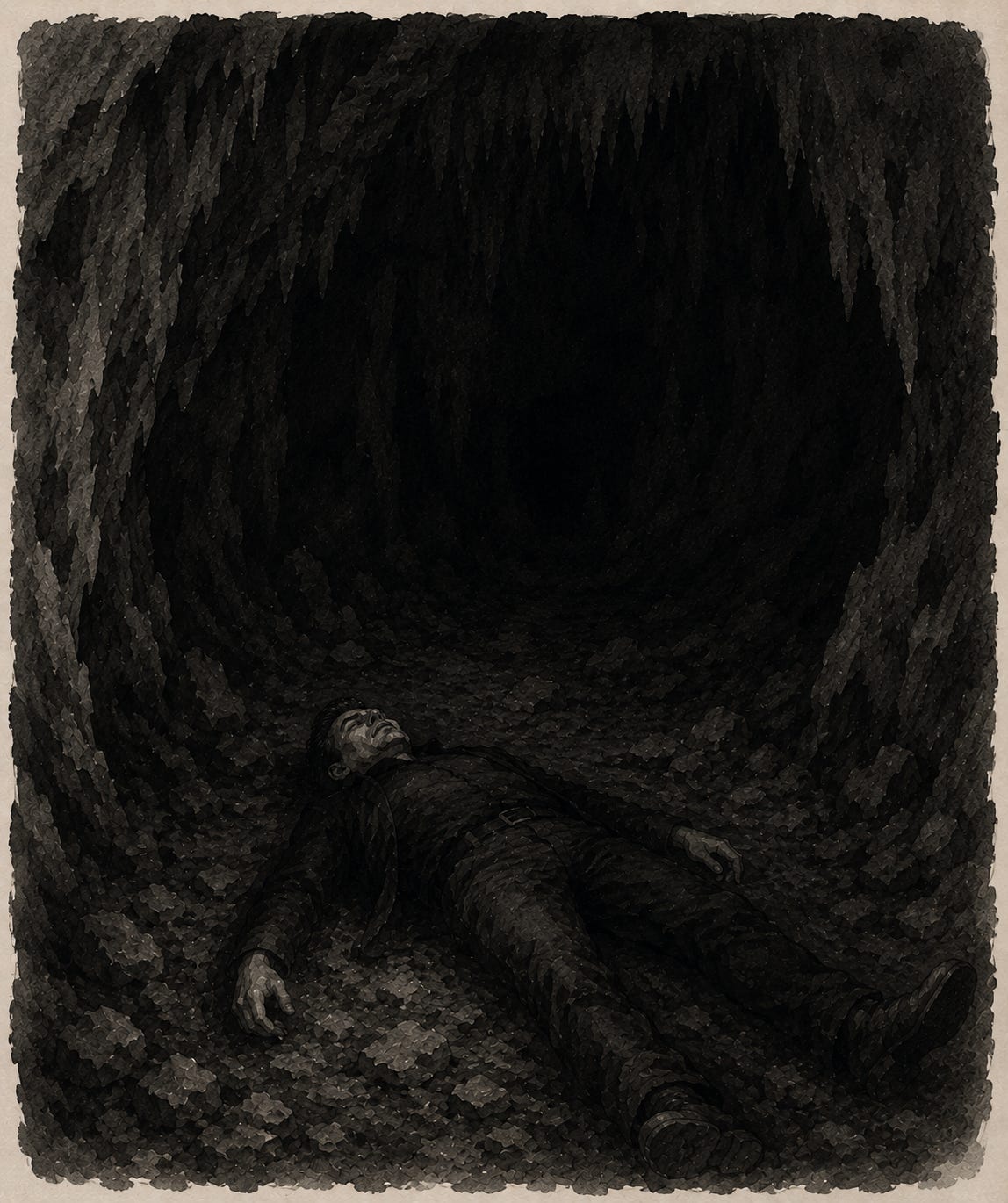
He stretches out on the cold stone floor and waits to stop existing — not by his own hand, exactly, not with a blade or a gun, but through cold and exhaustion and absence, letting the cave simply absorb him the way it has absorbed everything else that ever wandered too far into it. He has nothing left to say to anyone. He has said all of it already, badly, to people who didn’t deserve to hear it that way.
And then — nothing happens. That’s the part almost no one talks about honestly. There’s no lightning bolt. There’s no voice booming down the passage. There is only a man, flat on his back in absolute blackness, so far past the reach of help that help isn’t even a word that makes sense anymore.. just waiting to be finished.
Cash would say later that something shifted in him anyway, quietly, without ceremony. Not a rescue. A recognition. Lying in that dark he became aware, he said, of “a very clear, simple idea: I was not in charge of my destiny. I was not in charge of my own death. I was going to die at God’s time, not mine.” It isn’t relief, exactly, and it isn’t hope. It’s smaller than that and stranger than that — the sense that even here, even now, the decision has quietly been taken out of his hands.
Then, he gets up.
There’s no flashlight, no map, no way to retrace two or three hours of crawling through a system of tunnels he’d never seen before losing the light. He starts moving anyway, feeling along the rock with his palms to keep from pitching into some drop he can’t see, moving “crablike,” slow, patient, following nothing but the faint pull of moving air against his skin — a breeze from somewhere that has to be coming from somewhere. Outside. He follows it the way a drowning man follows the one direction that might be up.
He doesn’t remember how long it takes. I don’t think anyone would. He remembers the moment the dark turns to a paler dark, and the paler dark turns to grey, and the grey opens into daylight so ordinary and so unbearably bright that it feels less like walking out of a cave and more like being born a second time, badly, into a body that still hurts everywhere.
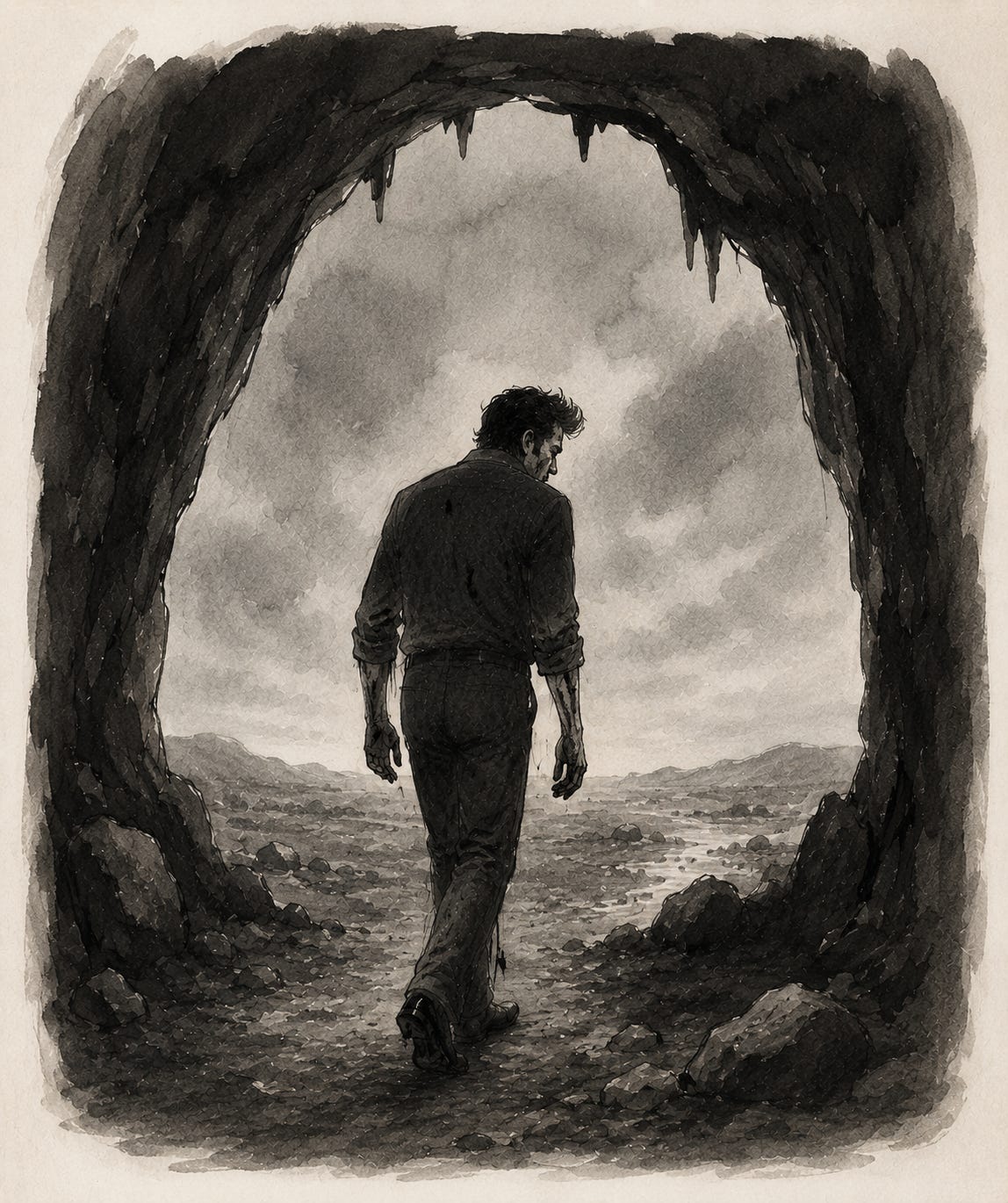
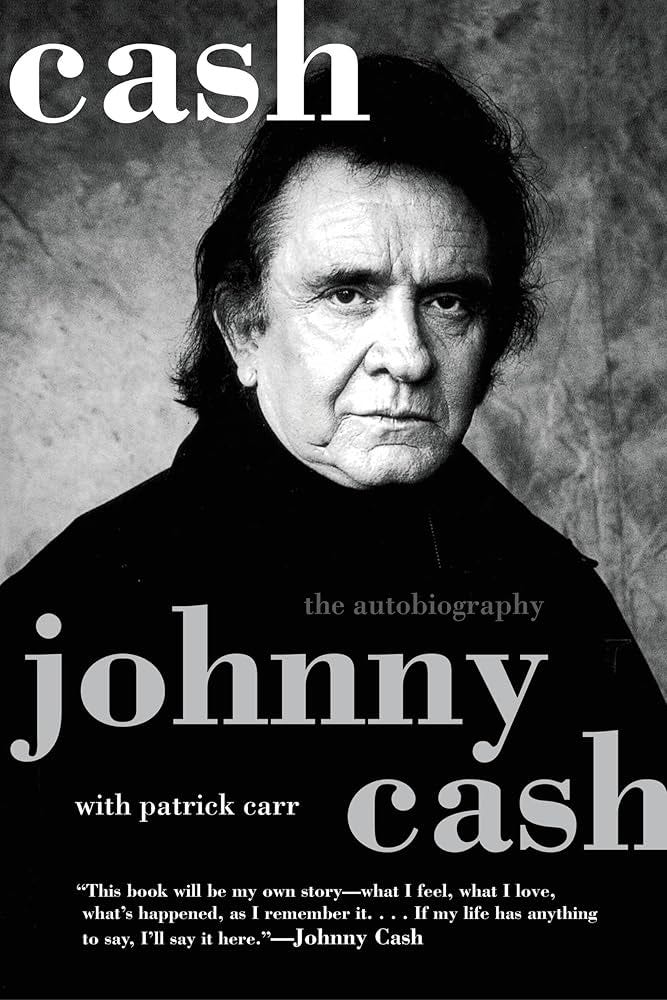
Here’s where the story, as Cash told it in his 1997 autobiography, gets its ending: he crawls out to find his mother and June Carter waiting for him, as if they’d known, as if some part of him had called out for them from inside the mountain and they’d come. He goes home. June sits with him through the shaking and the sickness of withdrawal, feeds him, prays with him, refuses to leave — this time for good. Some months later, in February 1968, he stops a concert in London, Ontario, mid-song, turns to her in front of seven thousand people, and asks her to marry him. A week after that, she does.
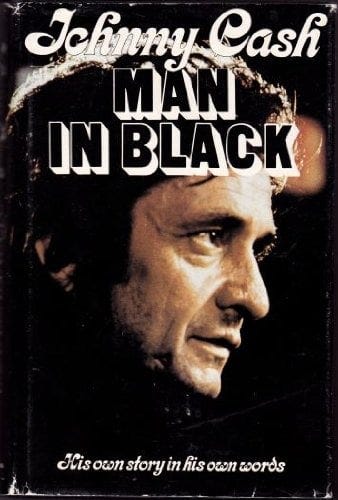
It’s a redemption arc so clean it feels engineered, and that unease is worth sitting with rather than smoothing over. Cash’s first memoir, Man in Black, published in 1975 — only eight years after the cave, when the details should have been rawest in his memory — never mentions Nickajack at all. The story surfaces for the first time two decades later, in 1997, polished into the shape a man tells once he already knows how the rest of his life turned out. Biographer Robert Hilburn has pointed out that Nickajack Cave was reportedly underwater in the fall of 1967, submerged behind a TVA dam, which makes the literal crawl-in, crawl-out geography hard to defend. Cash’s own longtime bassist, Marshall Grant, doubted the story outright. And Cash didn’t get clean that week, or that year — he was still using when he walked into Folsom Prison to record the album that would make him a legend again, months after the cave was supposed to have saved him.
None of that erases the darkness at the center of it. Whether Nickajack happened exactly as he told it, happened somewhere else, happened in pieces stitched together later into one clean myth, or happened mostly in the telling — a man built for himself the only kind of floor he could stand on, a story dark enough to hold the truth of where he’d actually been. The addiction was real. The rock bottom was real. The decade of slow-motion self-destruction was real, documented in arrest records and cancelled shows and a burned California canyon that the U.S. Forest Service actually billed him for. Cash needed there to have been a night, a specific black hour, when he went looking for an ending and didn’t find one — because the alternative was that there was no such night, that the ruin just kept grinding on with no bottom to hit at all, which is its own kind of hopeless.
That’s the part underneath the redemption story, the part that doesn’t resolve as neatly: a man crawling on his hands and knees through absolute dark, alone, having driven there alone, having chosen a place specifically because no one would find him — and the terrible ordinariness of what waiting to die actually feels like when you get there. Not cinematic. Not scored. Just cold stone, and a dying flashlight, and however long a person can lie still before the body itself refuses to cooperate with the plan.
He got up anyway. Nobody living can tell you exactly why.
ABOUT THE AUTHOR:
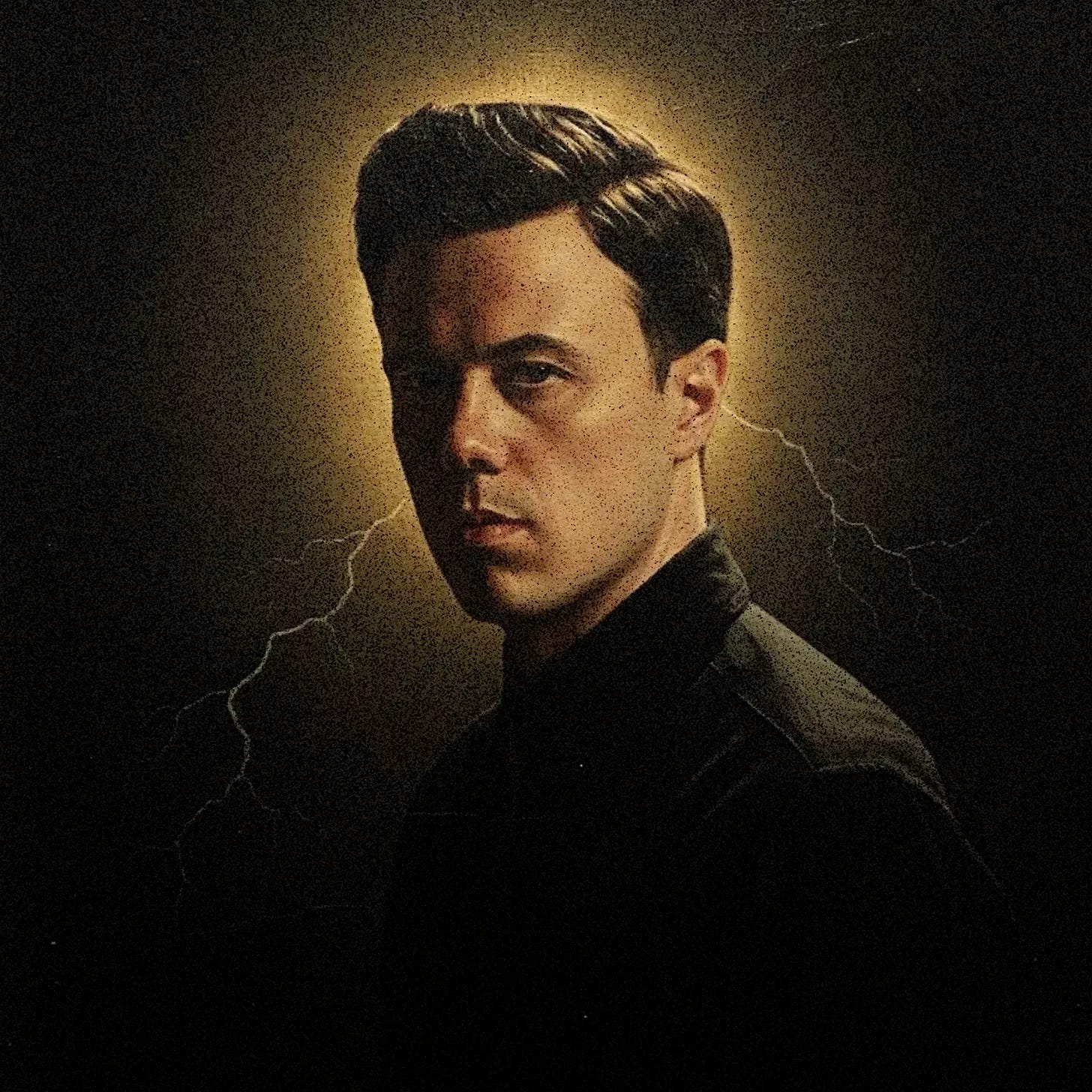
My name is Zachariah Malachi. I’m a full-time, self-employed honky tonk musician in Nashville, Tennessee. This Substack Publication was created for the purpose of sharpening my mind on more Nashville and Country Music history to share with the honky tonk patrons downtown during my shows - but I wanted more folks to benefit from the research so - it’s my gift to the country music fans of the world AND the people who WANT to be. Subscribe and come along for the ride.