


By the time most people think of Willie Nelson, they’re picturing the braids, the joint, the beat-up guitar named Trigger — the whole Red-Headed Stranger package. In early 1962 none of that existed yet. He was 29, clean-shaven, wearing short-sleeved shirts and regular trousers, and living a fairly miserable life on Nashville’s Lower Broadway.
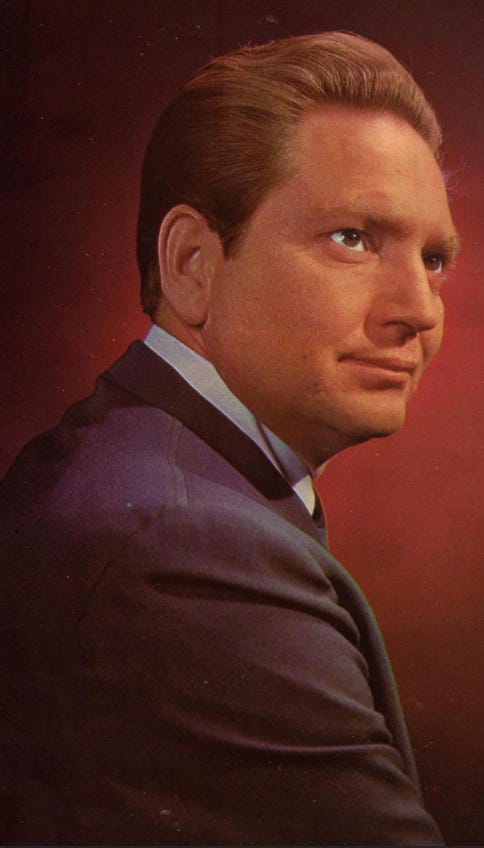
Lower Broadway back then was Tootsie’s Orchid Lounge and not much else worth mentioning. Hattie Louise “Tootsie” Bess ran the bar across the alley from the Ryman’s back door, where broke songwriters traded verses over beer and pickled eggs and hoped an Opry star might wander in and buy one. Willie drank there most nights, usually with Hank Cochran, Harlan Howard, or Mel Tillis. On one particular night, drunk and worn down by a marriage that had turned into open warfare and a career that refused to move, he walked toward the Hitching Post, where his wife Martha was working a shift. He didn’t go in.
Instead, he laid down in the middle of Lower Broad and waited for a car to run him over.
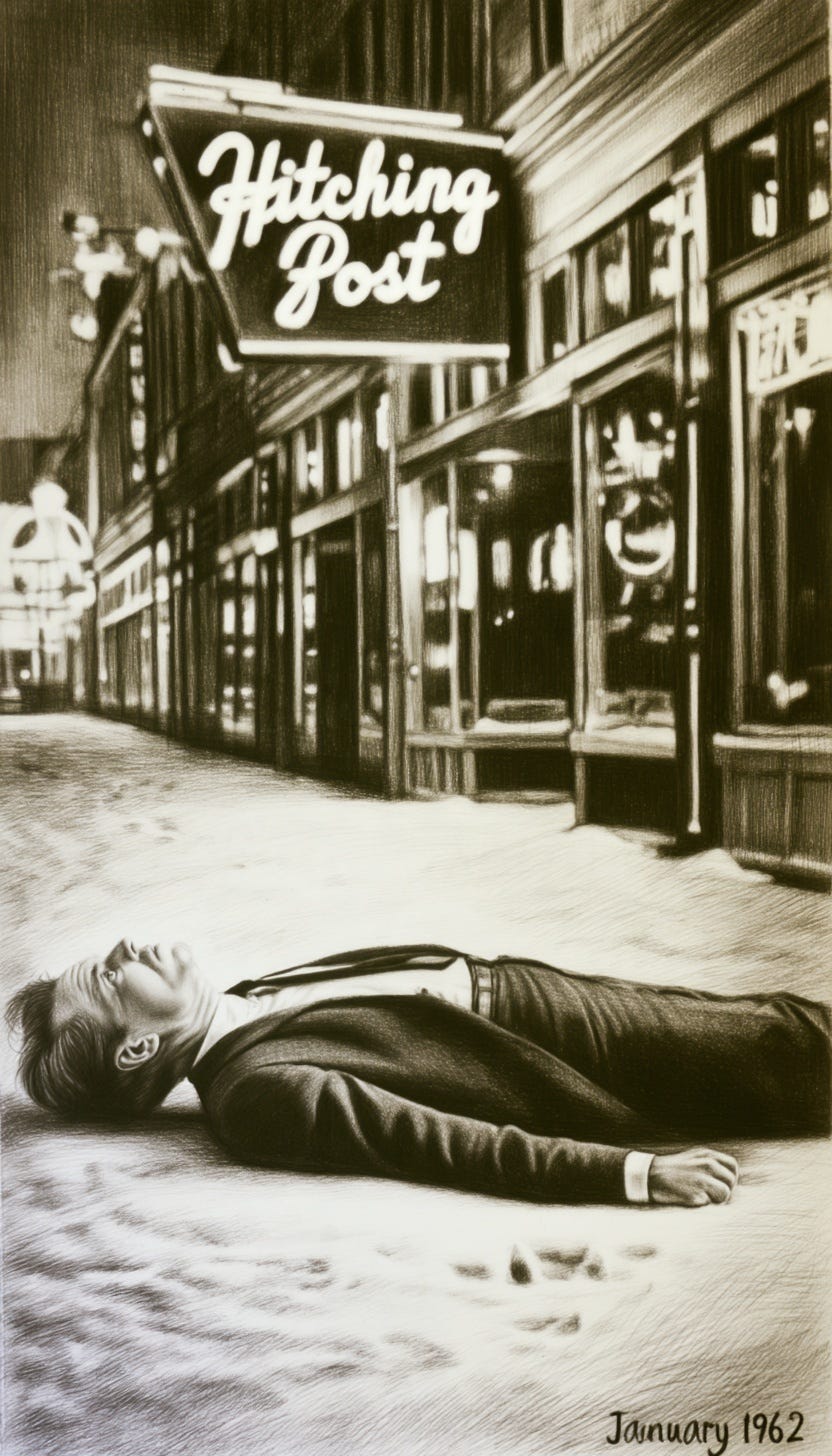
Martha came outside, saw him, and dragged him to the sidewalk, not gently, and not out of tenderness so much as reflex. Once she confirmed he was just drunk and not actually dying, she left him there to sleep it off, went home, packed up their kids, and drove away. Willie’s next word from her came in the form of divorce papers.
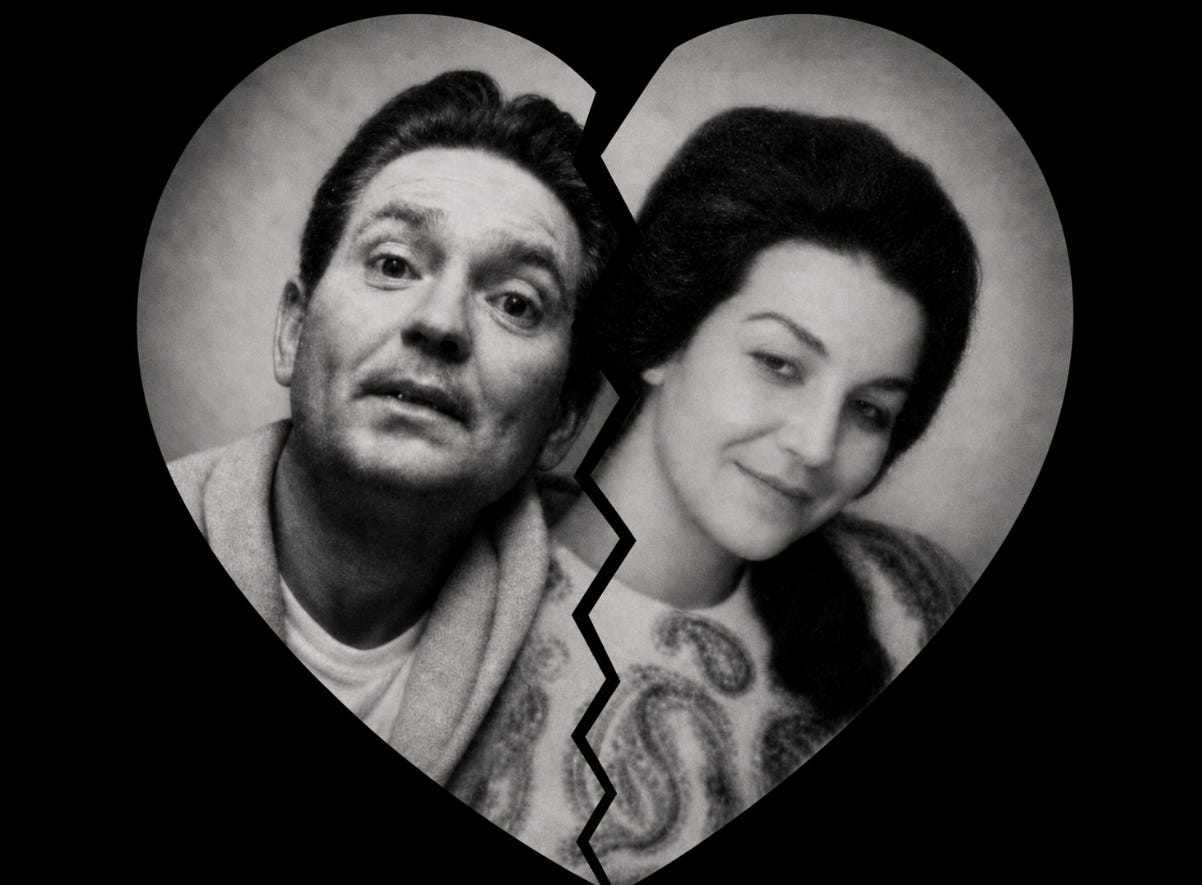
Understanding why he ended up in that street means understanding what his marriage actually was. He’d married Martha Jewel Matthews when he was 18 and she was 16, a Cherokee waitress with a temper that matched his own drinking. Their fights were the stuff of Music Row legend. The Great Johnny Bush, who not much long after this was playing bass for Willie, used to tell the story of pulling up to the house and watching Willie sprint out the back door with a cast-iron pot sailing after him, courtesy of Martha. When it shattered against the garage, Willie turned to Bush and said, “She loves me. You got a cigarette?”
There’s worse. Martha once bit through his index finger hard enough that his hand went numb for weeks, and he complained it slowed his guitar playing. Another time she chased him around the yard with a knife while he was naked. The story that gets repeated most, whether or not it’s exactly true, is that she once sewed him into a bedsheet while he was passed out and beat him with a broom handle. By 1962 this had been going on for years, and it had worn him down to nothing.
What made it worse was the professional half of his misery. Willie was, by any honest account, already one of the best songwriters in Nashville. He just wasn’t allowed to know it from his own bank account. In one week in Houston, before he’d even moved to Nashville, he wrote “Night Life,” “Funny How Time Slips Away,” and “Crazy.” Not long after arriving in town he wrote “Hello Walls” on a cardboard box in a studio garage. Every one of those songs became a hit for someone else. Faron Young took “Hello Walls” to number one. Patsy Cline turned “Crazy” into a standard. Billy Walker got “Funny How Time Slips Away.” Ray Price built his signature sound off “Night Life.”
Those four songs are a regular Lower Broadway gig for me.. and I’m so lucky for that.
Willie was cashing royalty checks as a staff writer at Pamper Music while his own records went nowhere, because RCA and the Nashville establishment couldn’t figure out what to do with his voice. He sang behind the beat, ahead of it, wherever he felt like, and producers kept trying to sand that off and force him into something closer to pop. Nashville in 1962 didn’t have much patience for that kind of thing. He watched other people get rich off his songs while his own name barely moved a needle, in the city that was supposed to be the whole reason he’d come.
That night on the street didn’t fix anything by itself. It took years. He played bass for Ray Price for a while, tried pig farming, thought seriously about quitting music altogether. Then in December 1969 his house outside Nashville burned down, and the only two things he ran in to save were Trigger and a paper sack of weed. He took that as a sign, packed up, and moved back to Texas. In Austin he let his hair grow out, swapped the suits for denim, and started mixing country with rock and folk at places like the Armadillo World Headquarters, which is where Outlaw Country actually has it’s Genesis.
If Willie’s story had ended on that street outside Tootsie’s, we’d have lost one of the best songwriters this country ever produced, and nobody would know it. Instead he kept going, and everything that came after, the braids, the bus, the whole outlaw myth, traces back to a night he wanted none of it to happen at all.
ABOUT THE AUTHOR:
My name is Zachariah Malachi. I’m a full-time, self-employed honky tonk musician in Nashville, Tennessee. This Substack Publication was created for the purpose of sharpening my mind on more Nashville and Country Music history to share with the honky tonk patrons downtown during my shows—but I wanted more folks to benefit from the research, so it’s my gift to the country music fans of the world AND the people who WANT to be. Subscribe and come along for the ride.
Thanks. I enjoy your writing. It seems as if death, or its near proximity, is a common thread running through your stories. The one about Johnny Cash going into the cave to die comes immediately to mind. Thanks Zachariah. Keep up the good work.
I love Willie smoking a joint on the White House roof-