


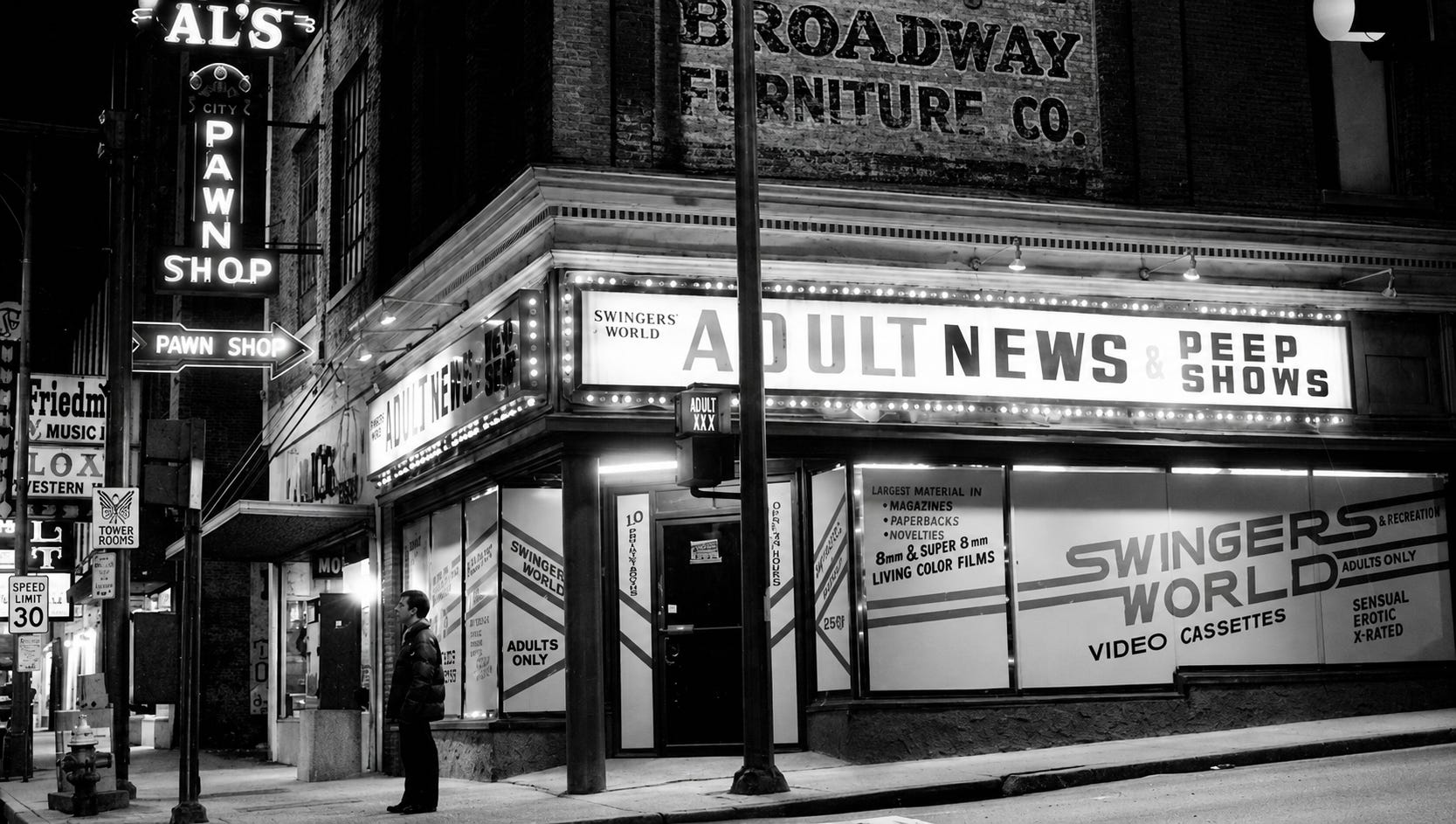
Check out that photograph — black and white, shot sometime in the mid-1980s, maybe — of Lower Broadway on a Saturday night. The street is empty. Not quiet-empty. Not late-empty. Rapture-empty. A few neon signs bleed light onto wet asphalt. A lone figure moves at the edge of the frame, coat pulled tight, head down, not a tourist because there were no tourists, not a music fan because the music was barely hanging on. Just a body moving through a street that had given up on itself.
Look at that photograph long enough and you can smell it. Stale beer and old carpet and some sort of grime underneath it — the specific rot of a place of a town that used to mean something.
This is the story of the street that I spend most of my time on. It wasn’t always the glittering myth Nashville tries to sell you now. There was no neon-soaked bachelor party strip with rooftop bars and celebrity honky-tonks and $18 margaritas back then.
This is the other Nashville. The real Nashville. The one that spent twenty years staring at a wrecking ball and deciding, slowly, painfully, whether it wanted to live or die.
The doors close
The downfall started with a departure.
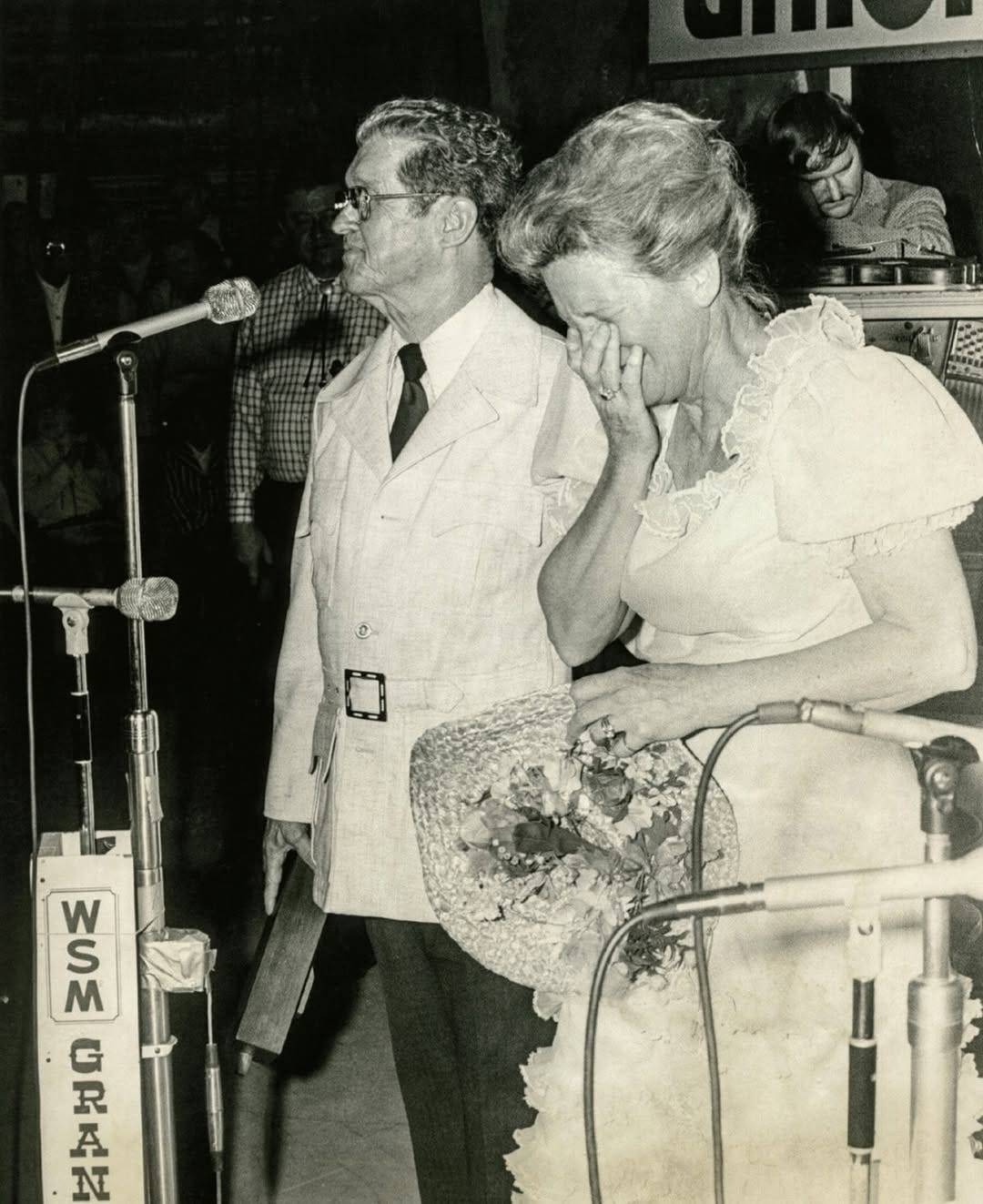
In March of 1974, the Grand Ole Opry packed its bags and left the Ryman Auditorium. Moved to out to the suburbs. Moved to Opryland — a gleaming new facility out east of downtown, air-conditioned, double the seats, surrounded by an amusement park and parking lots and all the comfort that money could buy. The National Life Insurance Company, which owned the Opry, had decided that the future was out there, not in here. Not in this neighborhood. Not on this street.
The Ryman locked its doors. The honky-tonk circuit that had fed off its energy — the artists slipping through the alley to Tootsie’s between sets, the Midnight Jamboree still crackling on WSM from the Ernest Tubb Record Shop across the street — suddenly had no anchor or reason to be down there, really. The mother church had closed. And Lower Broadway, which had organized its entire identity around that church, was left standing in the parking lot wondering what to do next.
It decided to decay.
The Twenty-Year Rot
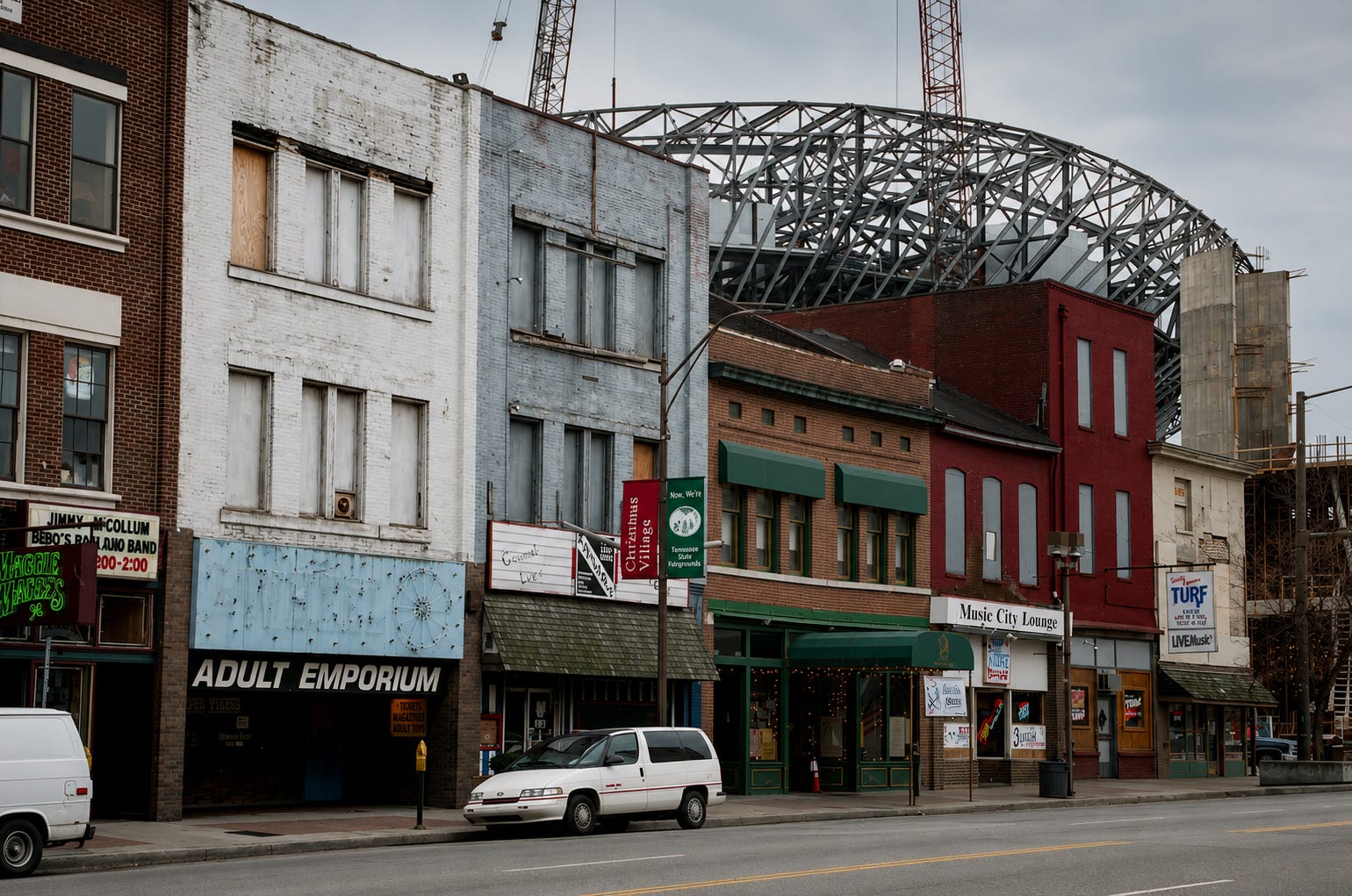
By the late 1970s and deep into the 1980s, Lower Broadway was a different kind of street entirely. The word people used — when they used words at all, when they bothered to describe it rather than just avoid it — was rough. Not romantic rough. Not Outlaw rough. Just rough in the way of any American city block that capital has abandoned and left to whatever comes next.
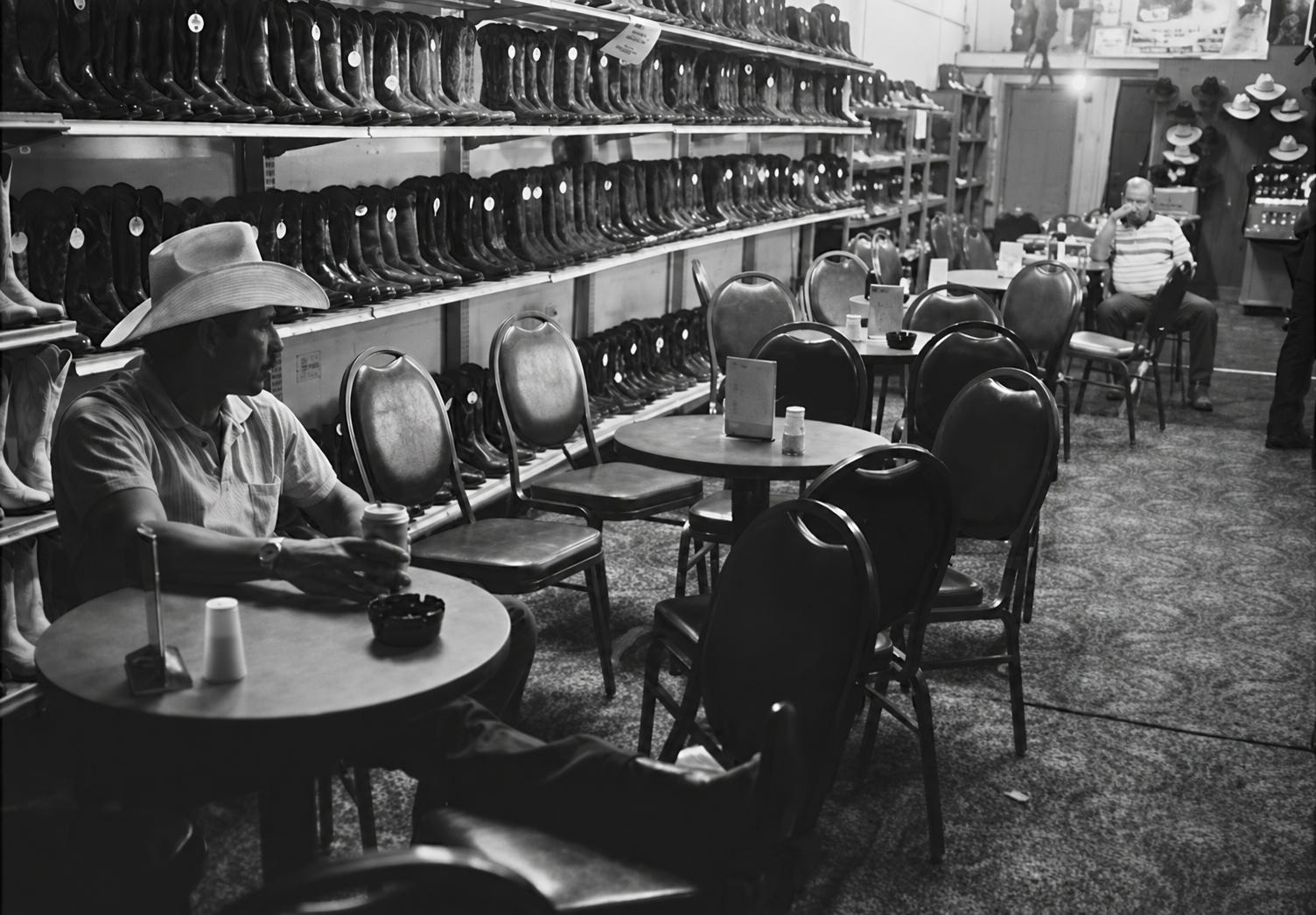
What came next was pawn shops. Transient hotels where men paid by the week and kept the shades down. Liquor stores that opened early. A western wear shop called Robert’s Rhinestone Western Wear selling boots and jeans to a thinning customer base, its owner watching the neighborhood empty out and choosing, stubbornly, to stay. The Ernest Tubb Record Shop still stood on it that same ol’ spot like a headstone — founded in 1947, moved to Broadway in 1951, still selling vinyl and cassettes to the faithful few, the country music true believers who made a pilgrimage to a street that no longer wanted pilgrims.
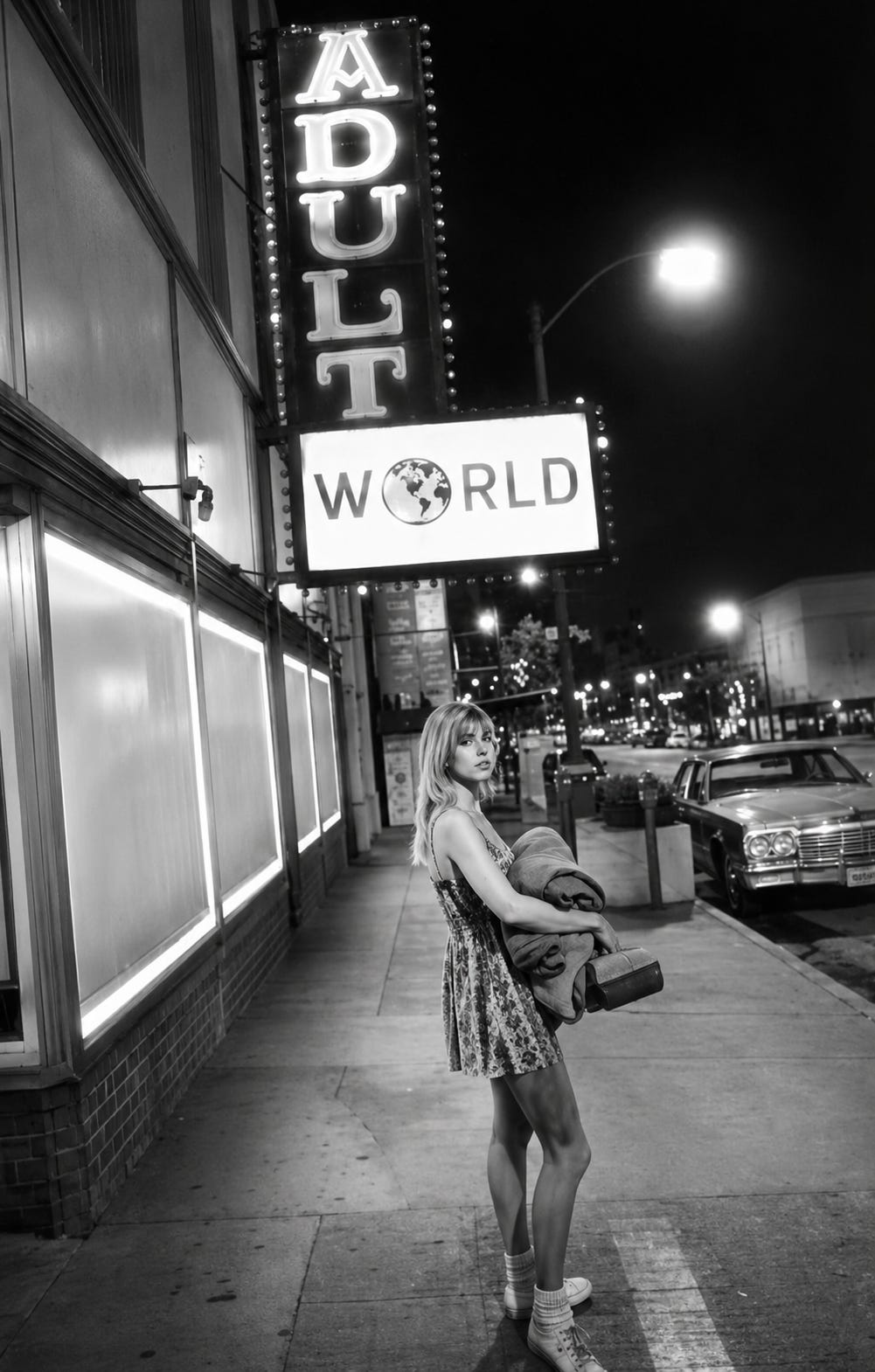
And then there was The Stage, which was not yet The Stage. It was Adult World. A pornographic bookstore, open late, no questions asked, its blacked-out windows facing the street like closed eyes.
This is what Lower Broadway was in the 1980s. Pawn shops and liquor and adult entertainment and a few stubborn holdouts from a better era, standing their ground in a neighborhood where the ground itself had turned against them. The bars — Tootsie’s, a handful of others — barely held on. They were not tourist destinations. They weren’t even really local favorites. They were just the last of something special, and they knew that.. which is why they poured the drinks, anyways.
The 1989 Tennessean ran a story about bar owners on Lower Broad working to screen excessively drunk patrons. Not drunk tourists. Not rowdy bachelorettes. Just the hard drinkers, the regulars, the men who came to Lower Broadway because the rest of the city had turned its back on the block and so had nobody left to run them off. Mayor Bill Boner — and that was his actual name, and the city elected him anyway — was officially on board with cleaning it up. Officially. The street remained what it was.
A brick ghost with a name
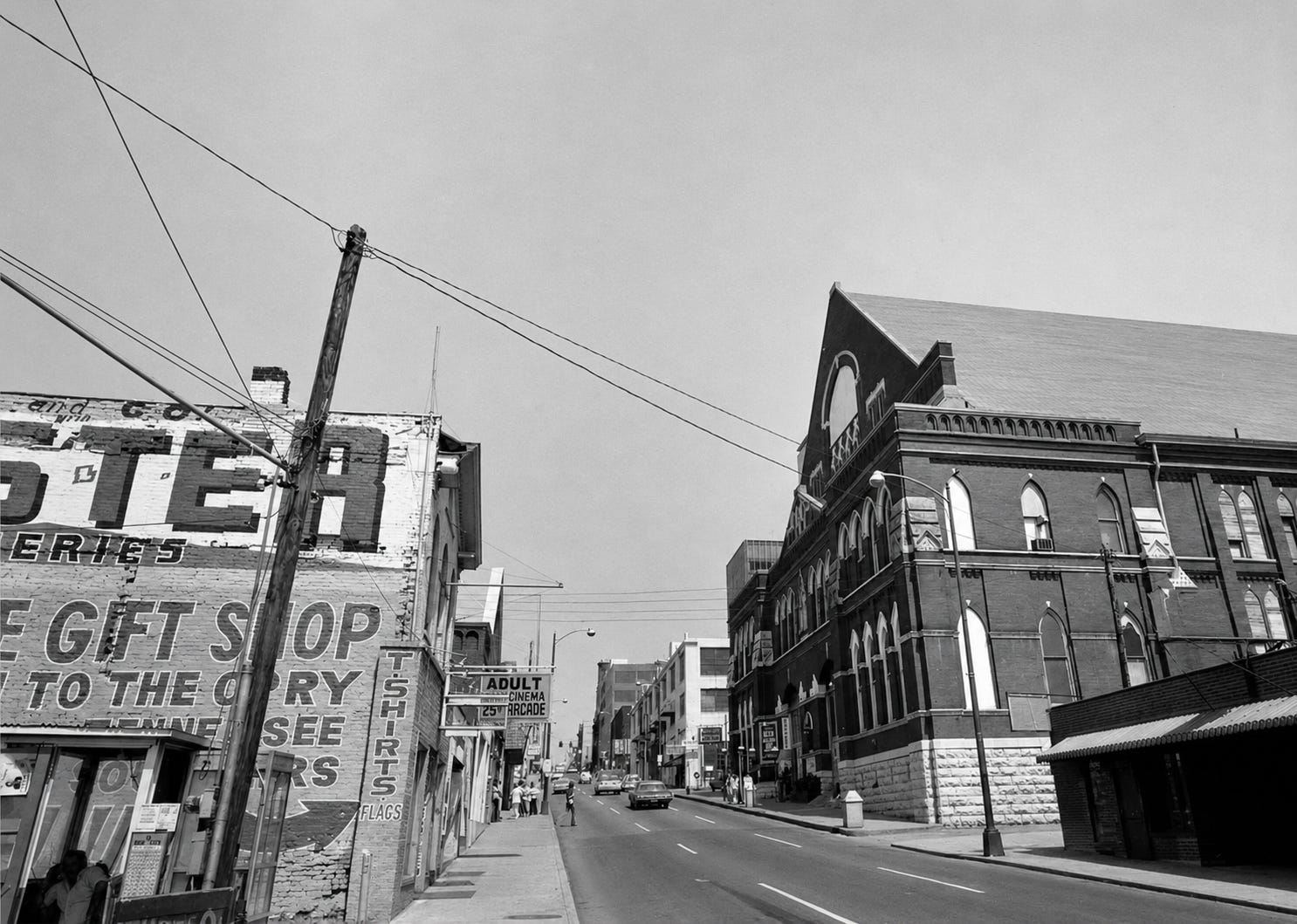
While Lower Broadway rotted beneath it, the Ryman Auditorium stood at the top of the block and waited to die.
The plan, after the Opry left, was demolition. Consultants concluded that the building contained nothing of value and wasn’t worth restoring. The National Life Insurance Company wanted to tear it down and use its materials to build a chapel at the new Opryland park — a kind of cannibalization, feeding the old sacred thing to the new commercial one. Even Roy Acuff, Grand Ole Opry legend, called for the wrecking ball. I never want another note of music played in that building, he said. He meant it as practicality. It reads as a curse.
But the opposition was fierce, and it came from everywhere — preservation groups, community members, two United States Senators from Tennessee who personally lobbied against the demolition. The Ryman got its National Historic Landmark designation. The wrecking ball stood down.
And then the building just... sat.
For nearly twenty years, the Ryman Auditorium stood vacant on its corner at Fifth and Broadway — not destroyed, not restored, just present in the way a stopped clock is present. Windows broken. Roof leaking. The wooden pews where Hank Williams had stood, where Patsy Cline had stood, where Bill Monroe had invented bluegrass on a Tuesday night in 1945, collecting dust in the dark. The pigeons moved in. The old brick soaked up rain. The neighborhood around it got worse, and the building got worse with it, and the spooks and shadows Minnie Pearl had spoken of at the last Opry show just had the whole place to themselves.
In 1983, Gaylord Entertainment acquired the building — a sale that bundled the Ryman in with the new Opryland complex like it was incidental, like it was a footnote to the real asset. Gaylord began slow renovations in 1989. A new roof. New windows. The original woodwork. A large arched pediment that had literally fallen into the attic was replicated and restored to the side of the building.
In 1991, Emmylou Harris and the Nash Ramblers walked into that half-restored shell of a building and recorded a live album on its neglected stage. Live at the Ryman. They broadcast it as a documentary. It was an act of pure stubborn love — the kind of love that shows up not when things are going well but when things are going badly and someone decides to show up anyway.
The Ryman reopened as a concert venue in 1994. But for twenty years, it had been a ghost — visible, present, enormous, and completely silent. A cathedral without a congregation. A mother church with no one left to pray.
The music never left
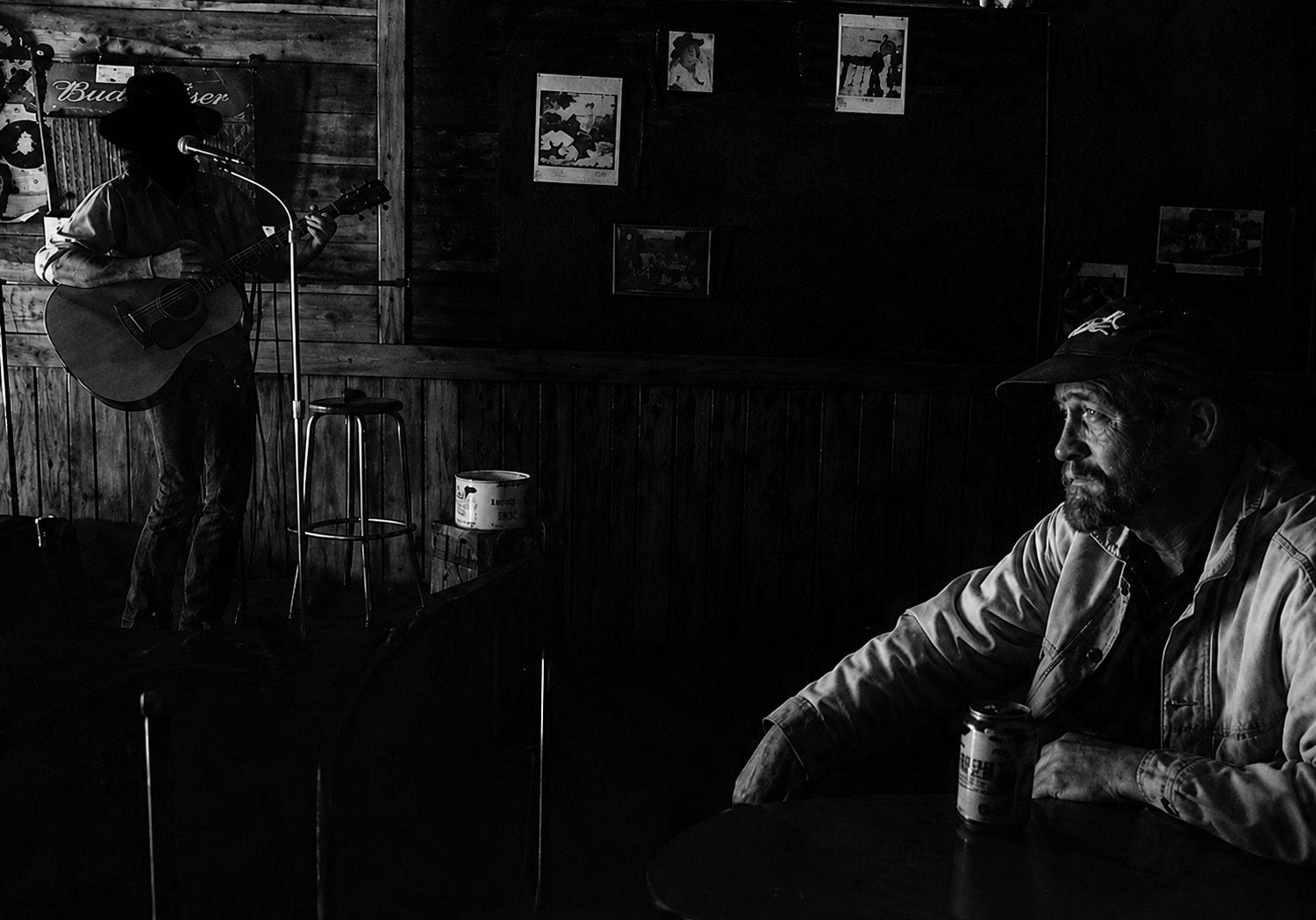
Here is what the history books undercount: there was music.
Not a ton of it. Not necessarily famous music. Not music that got played on the top 40 country radio, which in the 1980s had moved so far toward pop that it had left behind anything that sounded like its own roots. The countrypolitan era had given way to the Urban Cowboy boom and the Urban Cowboy bust and then the slick, synthesizer-softened sounds of the mid-decade Nashville machine. The Outlaw movement had come and partially burned itself out. The new traditionalist wave — Ricky Skaggs, Randy Travis, Dwight Yoakam — was starting to move, but it was moving through labels and radio, not through Lower Broadway.
Lower Broadway’s music in the 1980s was the music of people with nowhere better to be.
That is not an insult. It is the opposite of an insult. The musicians who set up in those near-empty bars — playing for tip jars, playing for the handful of regulars, playing three sets a night on a Tuesday for an audience of seven — were keeping something alive that the industry had decided to let die. They were doing it because it was the only thing they knew how to do, or because they couldn’t stop, or because something in them recognized that the music itself had value even when the room didn’t.
The Ernest Tubb Record Shop’s Midnight Jamboree still broadcast on WSM. Still. Through all of it. Through the pawn shops and the empty blocks and the adult bookstores and the broken Ryman windows — WSM still pointed a microphone at that Broadway stage and broadcast whatever was happening there across the Midwest and Southeast on clear-channel radio. A thread of signal in the dark.
The Turn
The resurrection didn’t happen from the top down. Nashville didn’t fund a revitalization plan. No developer swept in with a vision. It happened the way almost all real things happen — from the ground up, from the stubborn and the foolhardy and the people who simply refused to accept that the story was over.
Robert Moore turned his failing western wear store into a bar and added live music. Robert’s Western World, now owned by Brazilbilly’s own Jesse Lee Jones, a fellow honky-tonker and brother Mason. Next door, Layla opened Layla’s Bluegrass Inn. A few more holdouts stayed. A band called BR549 — throwback neotraditional country, sharp suits and old sounds — took up residency at Robert’s and started drawing people back to the block who hadn’t been there in years.
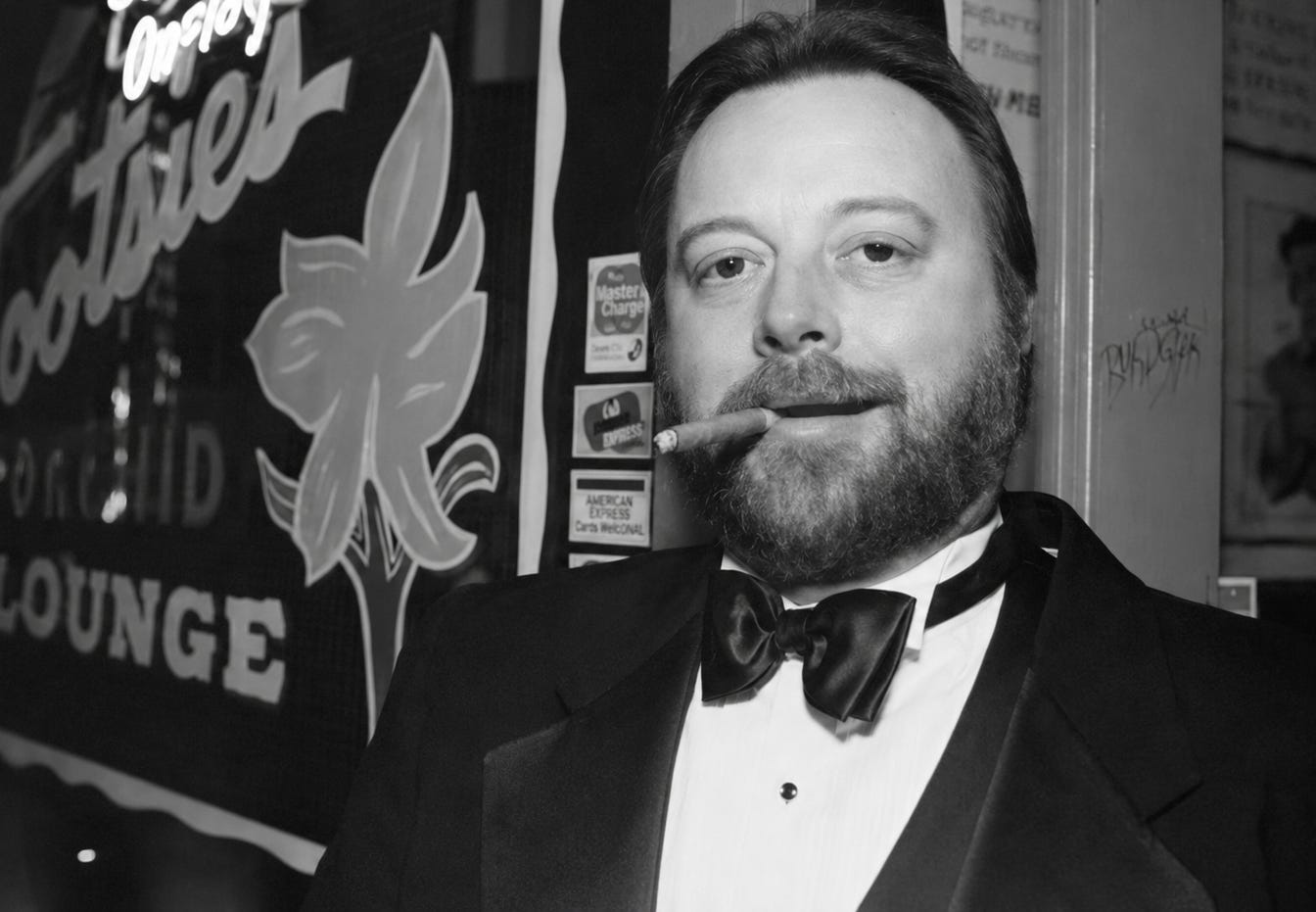
And in the early 1990s, a man named Steve Smith bought Tootsie’s Orchid Lounge for $10,000. Ten thousand dollars. The warnings came from everywhere: crime-ridden Lower Broadway was going nowhere. He bought it anyway.
In 1994, the Ryman reopened.
The street looked at itself and decided it wanted to live.
What was lost?
What happened next was actually a rebirth. It was a transformation. And transformations always come with some casualties.
The Nashville that resurrected Lower Broadway is not the Nashville that lost it. The musicians who kept the bars open through the dark years — who played for tip jars, who broadcast on WSM, who set up in near-empty rooms and played because they couldn’t stop — most of them did not get rich when the tourists came. The street they’d held together with stubbornness and love became prime real estate, and prime real estate has different priorities.
The Ernest Tubb Record Shop stood on its corner until 2022, when it closed for the last time. Well, sort of.. I don’t know what’s going on there. I’m sure I’ll talk about it when I get to understand what they’re even doing.
The Stage — which finally became The Stage, an actual honky-tonk — still stands. Layla is still down there in all her glory. I adore Laylas. Tootsie’s still stands, now selling 11,000 beers on a busy Saturday night. Robert’s still stands and is expanding. The bones are there. But the flesh has changed entirely. And there are some additions that are atrocious and there are some that add some amazing charm back to the strip.
What Lower Broadway lost in its dark years was its humility. Its ordinariness. The sense that it was a place where regular people went when they needed to hear music that was true. When the tourists arrived and the money arrived, the street became a parade of drunken bachelorettes and decadence beyond limits.
The musicians who kept the torch lit during the dead years are the real story. BR549, for instance. The ones who played those smoky, empty rooms. The ones who pointed a microphone at a neglected stage and kept the traditions alive.
That is what this street was, at its lowest and its truest. As you can see, it wasn’t the Lifetime movie that it’s made out to be, now. It was porn shops, dive honky tonks, pawn shops and Hank Williams covers
There is a sermon in that, if you know how to hear the calling.
And some of us have.
A MESSAGE FROM THE AUTHOR:
A lot of the photos featured in this article were taken from Bill Rouda’s book, “NASHVILLE'S LOWER BROAD: The Street That Music Made”. I highly recommend you get a copy while they still are in print: Nashville's Lower Broad: The Street That Music Made
My name is Zachariah Malachi. I’m a full-time, self-employed honky tonk musician in Nashville, Tennessee. This Substack Publication was created for the purpose of sharpening my mind on more Nashville and Country Music history to share with the honky tonk patrons downtown during my shows - but I wanted more folks to benefit from the research so - it’s my gift to the country music fans of the world. Subscribe and come along for the ride.
Thanks. I'm really enjoying these articles. As I have mentioned, "old time" country musicians talked far louder to this Brit to our somewhat sanitised folk we are fed.
Stumbling across the fabulous Harry Smith stuff on the Smithsonian kicked me into another gear, and enraptured by Dock Boggs (never mind the name!) Sugar Babe, which still rips me apart.
So - thanks! Appreciated. This stuff needs to be propagated. It's people's music, the white man's blues.
I love this, Zach! I grew up just down the road in LaVergne, TN, attending high school in Smyrna, and once I hit 18 in 1975, I spent a pretty fair amount of time on the Lower Broad section of town. I purchased my first saxaphone at Al's Pawnshop and met Wolfman Jack at the Backstage Lounge on New Year's Eve 1977, while seeing many well known country music artists at Roberts Western Room, such as Jane Fricke.
Nashville trully did have a different air, aura and spirit about it back then, especially when the Possum Holler was still up and going strong. And the new Gaylord Entertainment Center never did have the same spirit and feel of something important as the Ryman Auditorium has held all these years.
I'm sure that You have met many of Nashville's top country music artists, just as I did way back in the day. I actually ran into Johnny Cash when he was drunk as a skunk at Rivergate Mall in Gootlettsville, TN -- dressed like an old broke down farmer with mud caked on his $500 cowboy boots in 1983, and a fast friendship went from there.
And if you were around back then, Heaven Lee [Vianka de la Prida] held many a man's attention at the Black Poodle. I met her when she made a PR visit on MTSU's campus in 1978 as part of a rush event held by the Sigma Chi fraternity. And another fast frienship developed. She was nothing like the way The Tennessean and other papers described her at the time -- very personable and actually well-educated.
Your piece has evoked a good many great, fond memories from those days. Thank You!