


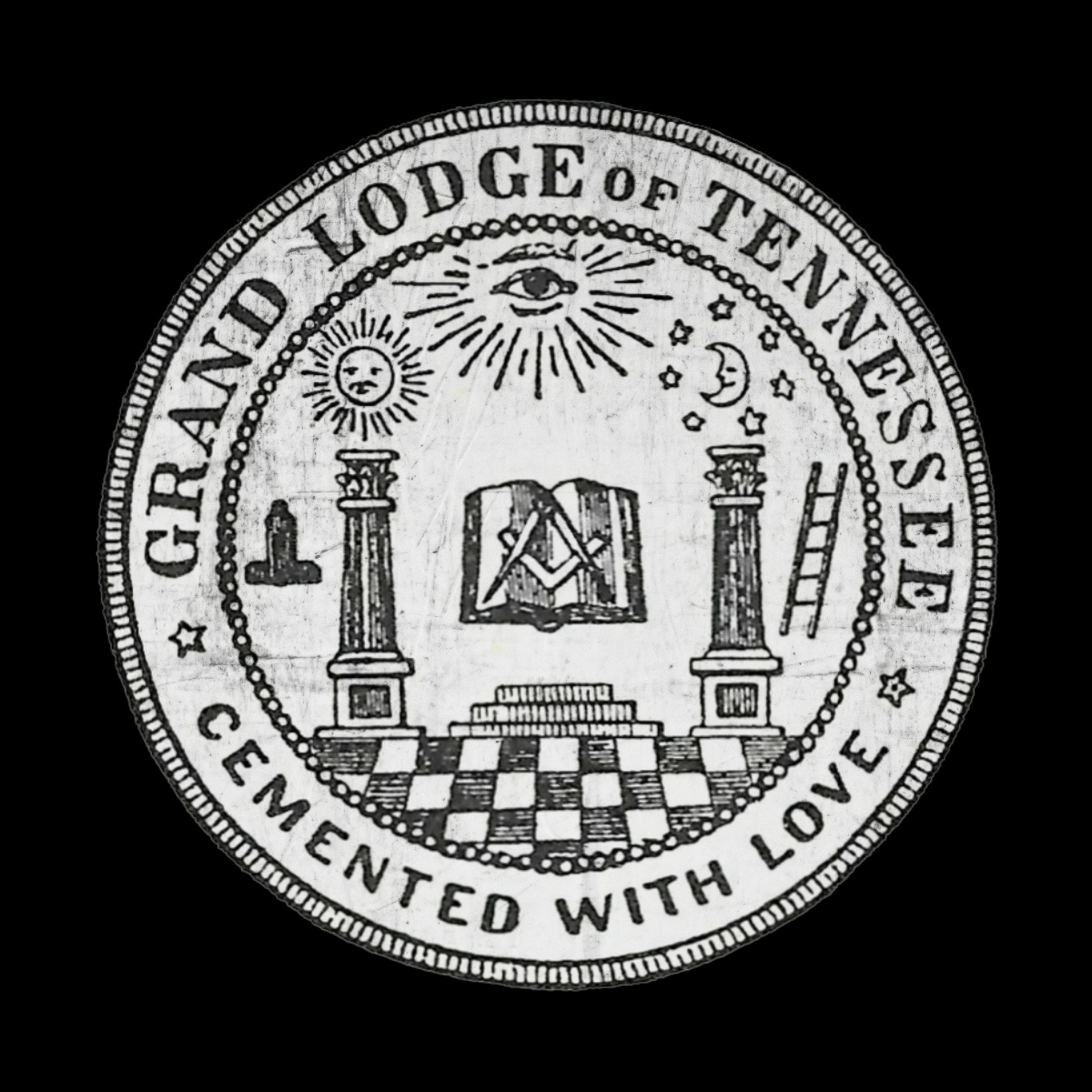
I am not here to tell you that country music was a Masonic conspiracy. I’m not here to tell you that America was a Masonic conspiracy.
I am here to tell you something stranger than that: it wasn’t a conspiracy at all, and the facts are still remarkable.
When you look at the men who built the architecture of country music — the ones who recorded first, who established the institutions, who got inducted first into the halls of fame — a pattern emerges that nobody in the business talks about with any seriousness, anymore. These men were Freemasons. The accounts were documented, lodge-numbers are known, connections, affiliations, etc. We have a nice paper trail of evidence you can follow if you’re willing to do the work.
I did the digging. Here’s what I found:
The Father
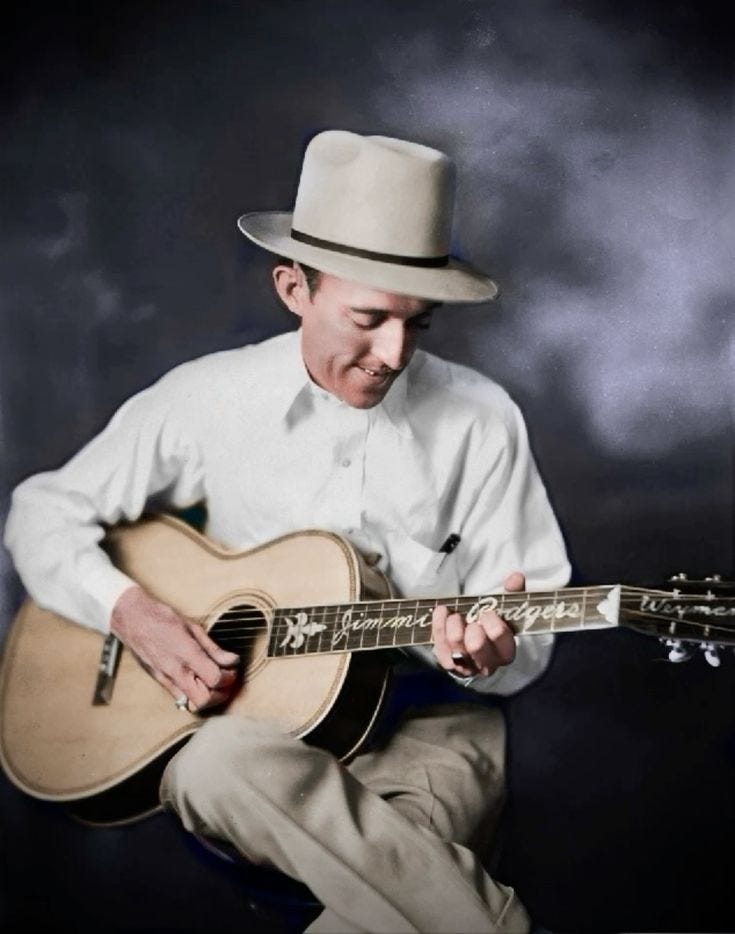
Jimmie Rodgers is where this story begins, because Jimmie Rodgers is where country music begins. The Singing Brakeman. The Blue Yodeler. The man who in six years of recording before tuberculosis killed him in 1933 essentially invented a genre. He was thirty-five years old when he died. I wrote about this. Go back if you haven’t read it yet.
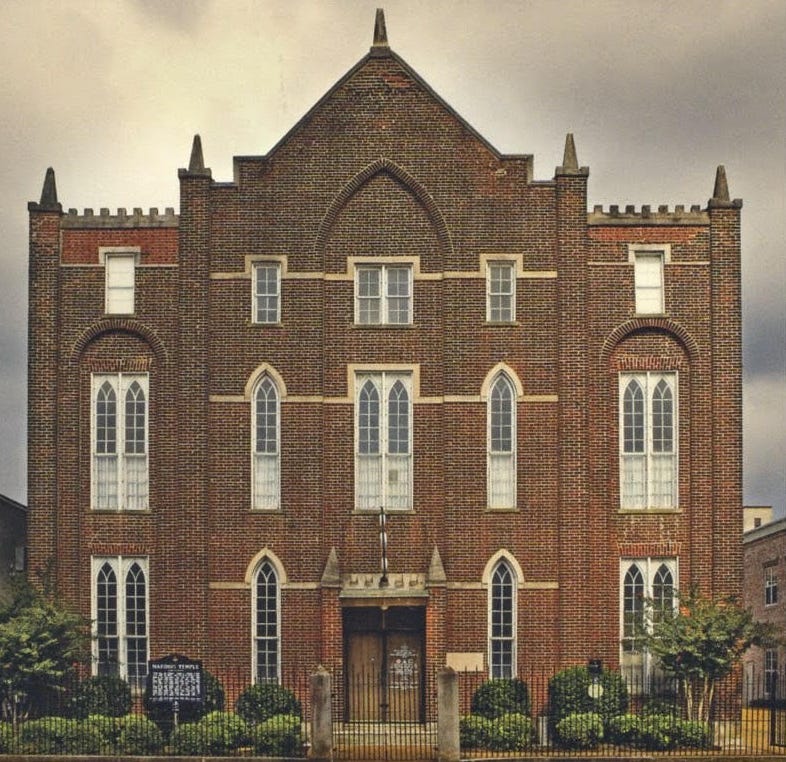
Jimmie Rodgers was a member of John L. Spinks Lodge, No. 507, Meridian, Mississippi, under the Grand Lodge of Mississippi. He was born in Meridian. He worked the railroad out of Meridian. He was buried in Meridian. And when they laid him out, his funeral was held at the Temple Theater — a building constructed by the Hamasa Shriners between 1923 and 1927, one of the largest stage facilities in the South at the time, owned and operated by a Masonic appendant body. It is where Rodgers had performed during his career. It is where they brought him at the end of it.
Think about that. The Father of Country Music lived his life within the Masonic fraternity. His concerts. His funeral. The same building, the same institution, the beginning and the end.
When the Country Music Hall of Fame was established in 1961, Rodgers was one of the first three inductees. He has never left the top of the canon. Every country musician who came after him learned from him directly or learned from someone who did. The fraternity he belonged to is usually mentioned, if at all, as a biographical footnote.
But I’m not surprised by that.
The King
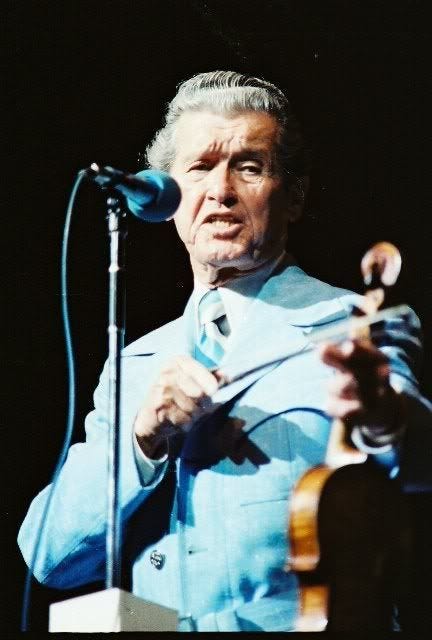
Roy Acuff is the second name you need to know.
Acuff joined the Grand Ole Opry in 1938. In 1942, he co-founded Acuff-Rose Music with songwriter Fred Rose — the first major Nashville-based country music publishing company, which would go on to sign Hank Williams, Roy Orbison, and the Everly Brothers. He ran the Opry as its dominant personality for four decades. In 1962, he was elected to the Country Music Hall of Fame as its first living member.
Acuff was initiated as an Entered Apprentice at the East Nashville Freemasonry Lodge in 1943, raised to Master Mason in 1944, and made a 33rd Degree Mason on October 21, 1985.
Hold those two timelines side by side. In 1942, Acuff founds the publishing company that will become the backbone of Nashville’s music industry. In 1943, he walks into the East Nashville lodge and begins the degrees. He is at the absolute height of his powers — the most prominent figure in American country music — and he joins the fraternity.
The 33rd degree — the highest rank in the Scottish Rite — came forty-two years later. He was eighty-one years old. He had earned it over a lifetime.
The Roster
When Roy Acuff became the first living member of the Country Music Hall of Fame in 1962, at least seven other Masons had also been elevated to that same honor: Eddy Arnold, Gene Autry, Jimmie Davis, Tex Ritter, Jimmie Rodgers, Roy Rogers, and Hank Thompson.
Read that list again.
That is not a footnote. That is the founding canon of country music, and it is substantially composed of Freemasons.
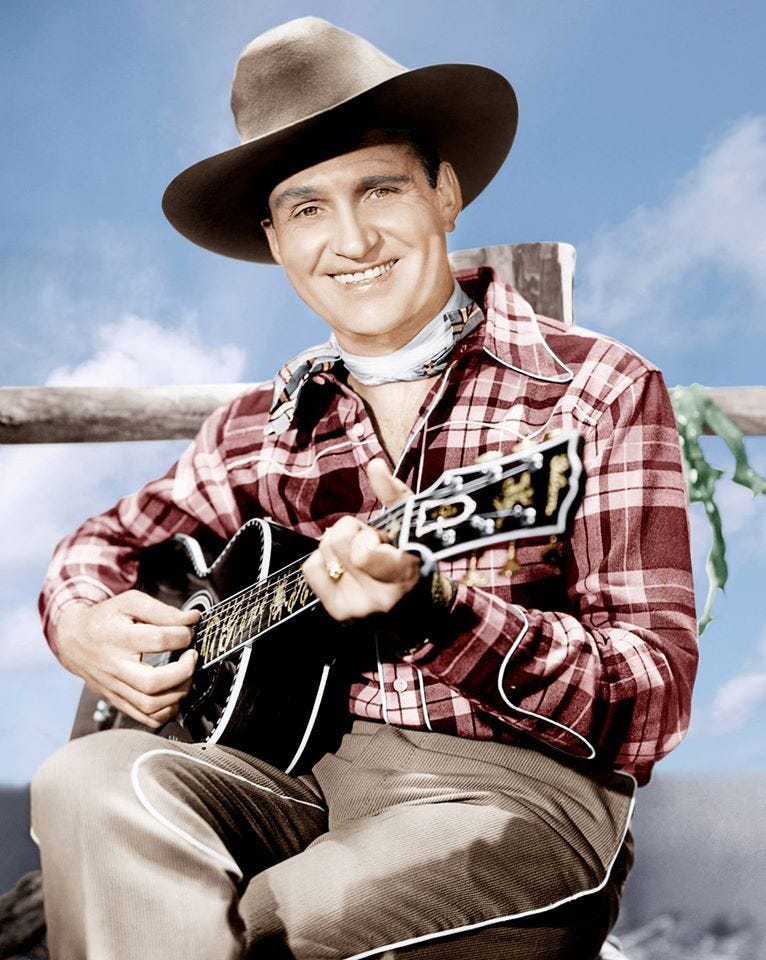
Gene Autry was raised into Freemasonry in 1927 at Catoosa Lodge No. 185 in Catoosa, Oklahoma. He later became a 33rd degree Master Mason — a fact recorded on his headstone at Forest Lawn. His epitaph lists his Masonic degrees alongside his film career and his baseball team. He considered his rank worth carving in stone.
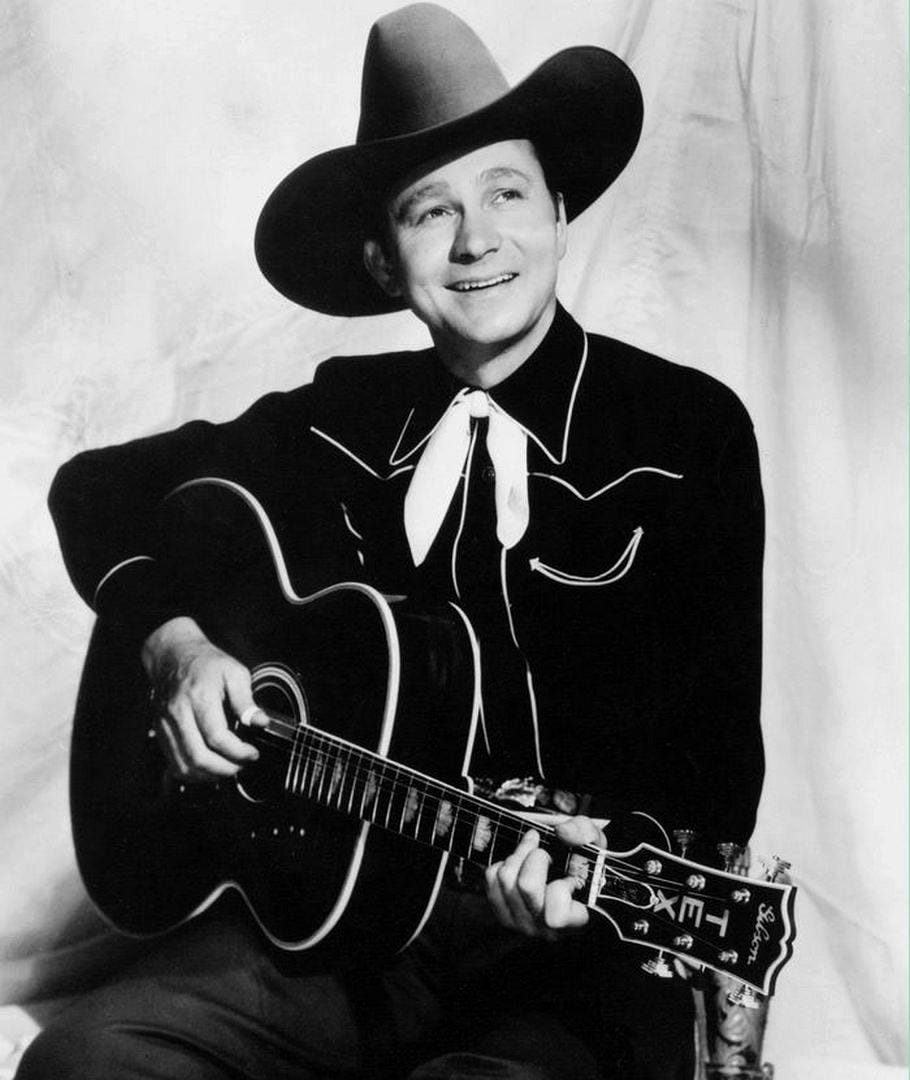
Tex Ritter became one of the founding members of the Country Music Association in Nashville and spearheaded the effort to build the Country Music Hall of Fame and Museum — the institution itself. The man who built the hall was a Mason, at Metropolitan Lodge No. 646 in California. He is on the same list as the men who populated it.
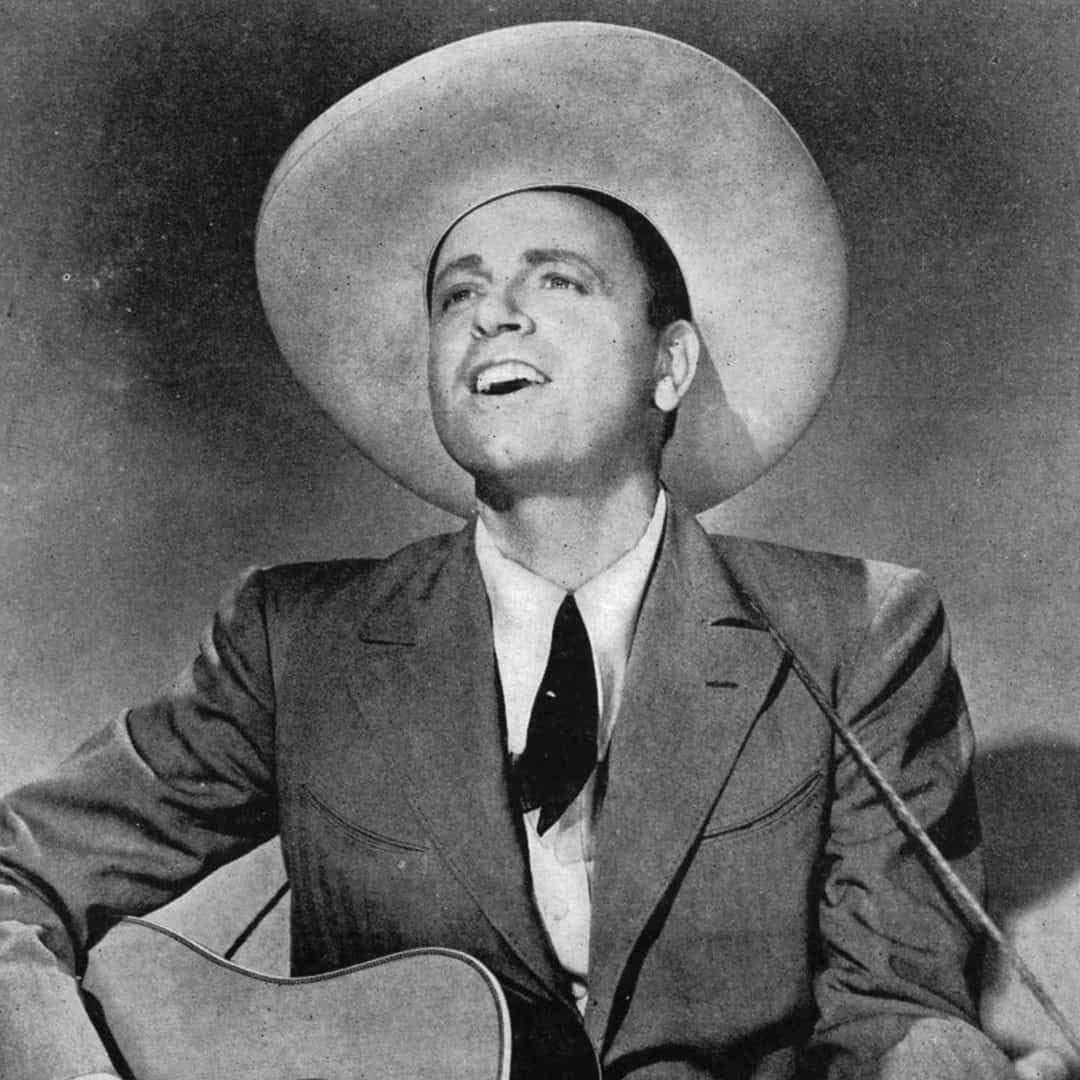
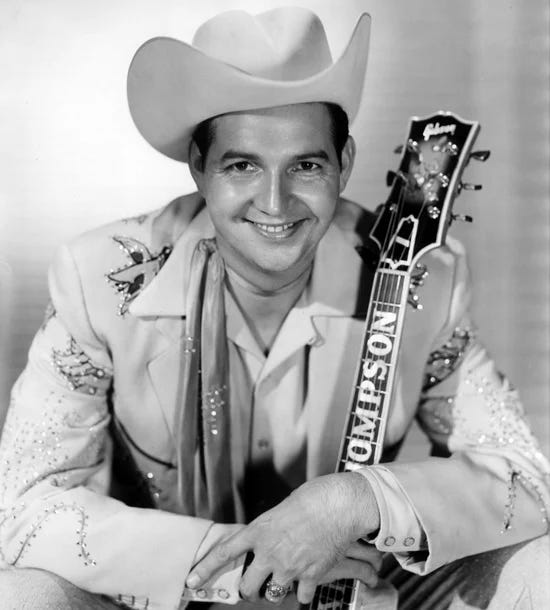
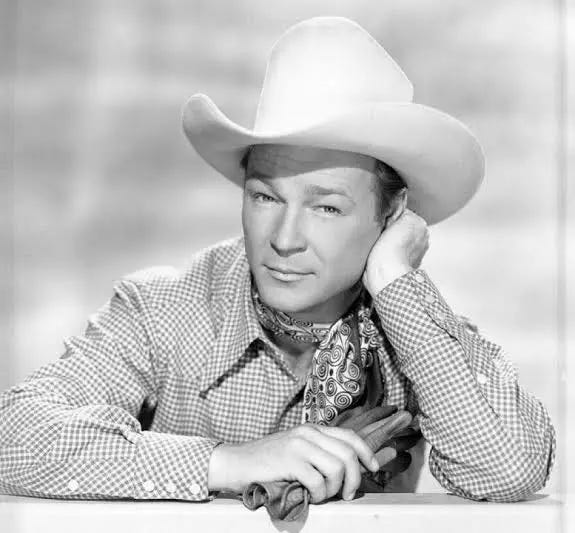
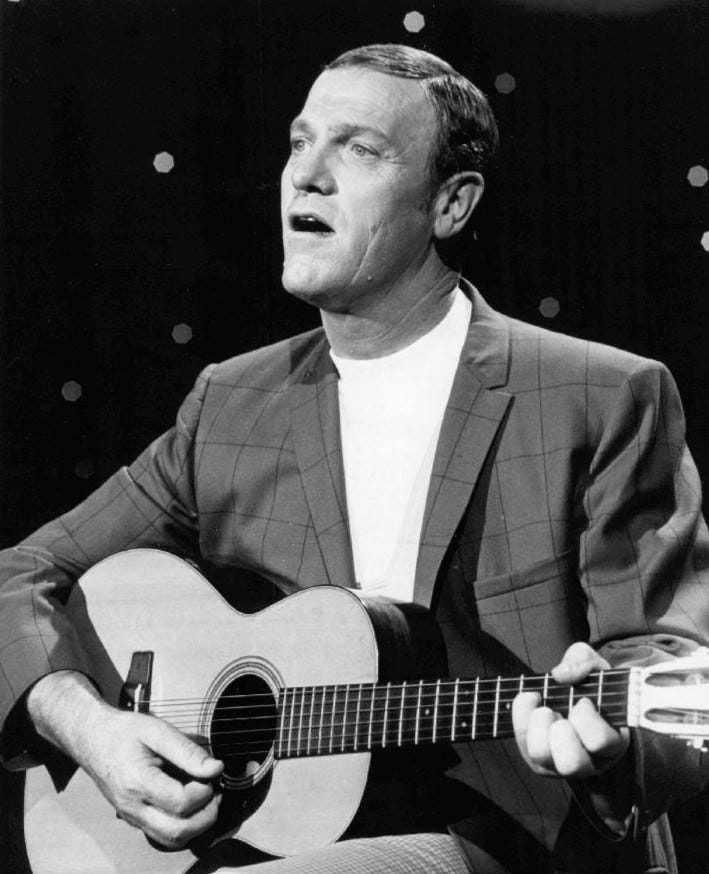
Jimmie Davis — country singer, gospel writer, twice Governor of Louisiana, the man whose recording of “You Are My Sunshine” became that state’s official song — was a Mason. Hank Thompson, one of the architects of Western Swing and honky-tonk, was a Mason. Roy Rogers, Hollywood Lodge No. 355, raised in 1946. Eddy Arnold, East Nashville Lodge No. 560.
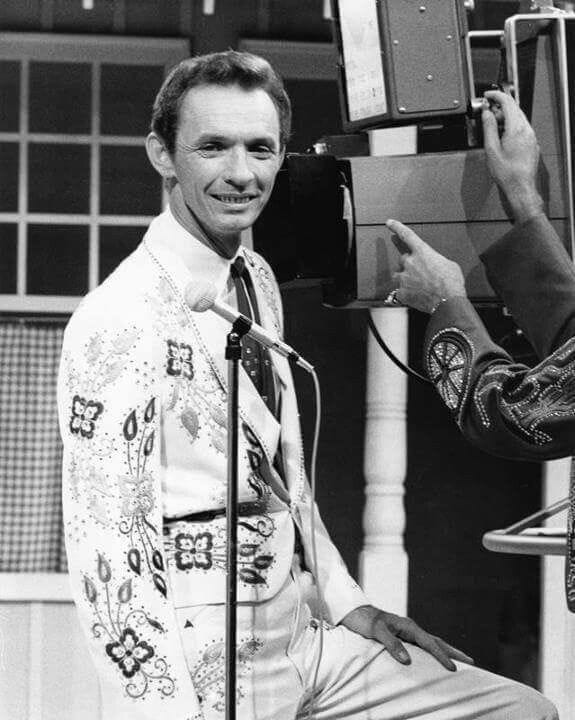
And then there is Mel Tillis.
Tillis was raised a Master Mason on December 16, 1984, at Branson Lodge No. 587 in Branson, Missouri. He became a 32nd Degree Scottish Rite Mason in 1993. He was invested as Knight Commander Court of Honour in 1996. He was coroneted a 33rd Degree Mason at the House of the Temple in Washington, D.C. in 1998. In 1999, he was awarded the Grand Cross — the highest honor the Scottish Rite bestows.
His lodge brothers noted something else. Mel Tillis stuttered his entire life — a childhood bout of malaria had left him with a speech impediment that became the defining feature of his public persona, the thing audiences loved and laughed with him about. But when he recited Masonic ritual, the stutter disappeared. He had to concentrate on every word so carefully that the stammer simply stopped. He told his brothers that Freemasonry had given him, for the duration of those rites, a voice that worked the way he’d always wanted it to.
I don’t know what you do with that. I know I haven’t been able to stop thinking about it.
Franklin Lodge No. 7
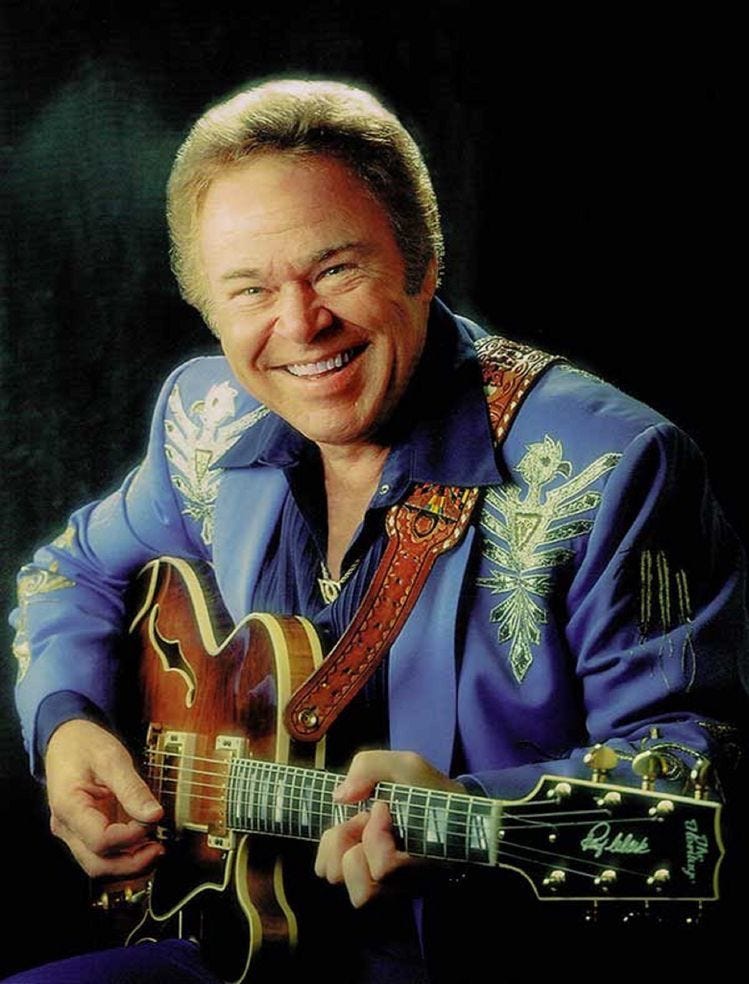
Roy Clark — Hee Haw co-host, Country Music Hall of Fame inductee, one of the most technically gifted guitarists in the history of American music — was made a Mason at sight by the Grand Master of Oklahoma on December 9, 1987. He affiliated with Jenks Lodge No. 497 as a perpetual member and subsequently pursued the Scottish Rite, York Rite, and Shrine on his own initiative.
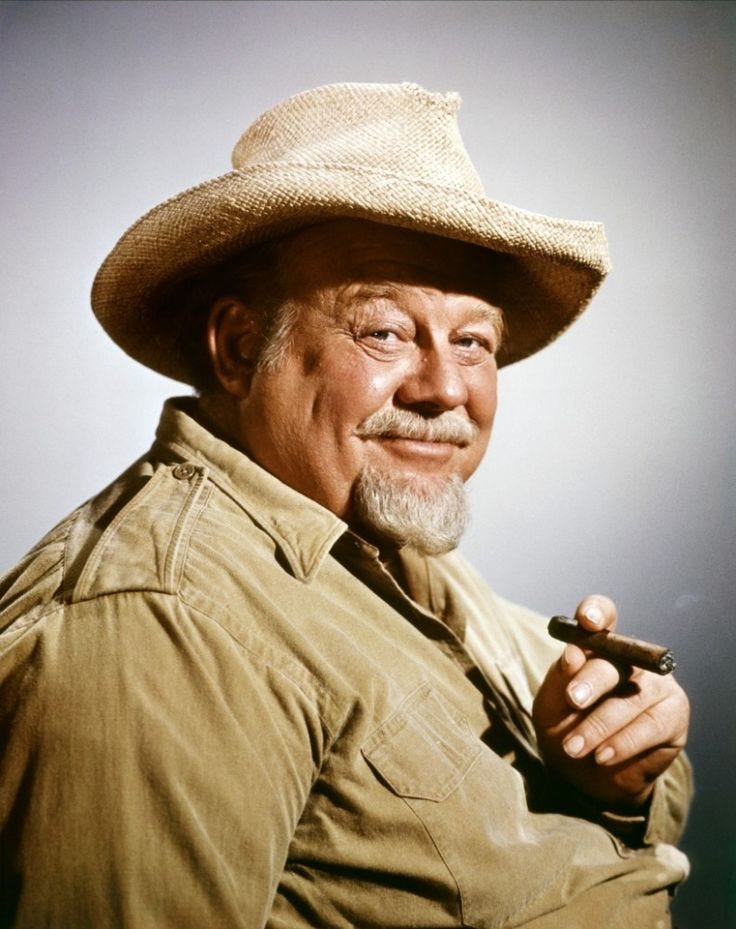
Burl Ives was initiated into Scottish Rite Freemasonry in 1927 and elevated to the 33rd Degree in 1987. He was later elected the Grand Cross.
And then there is Franklin Lodge No. 7 in Franklin, Tennessee, which deserves its own paragraph.
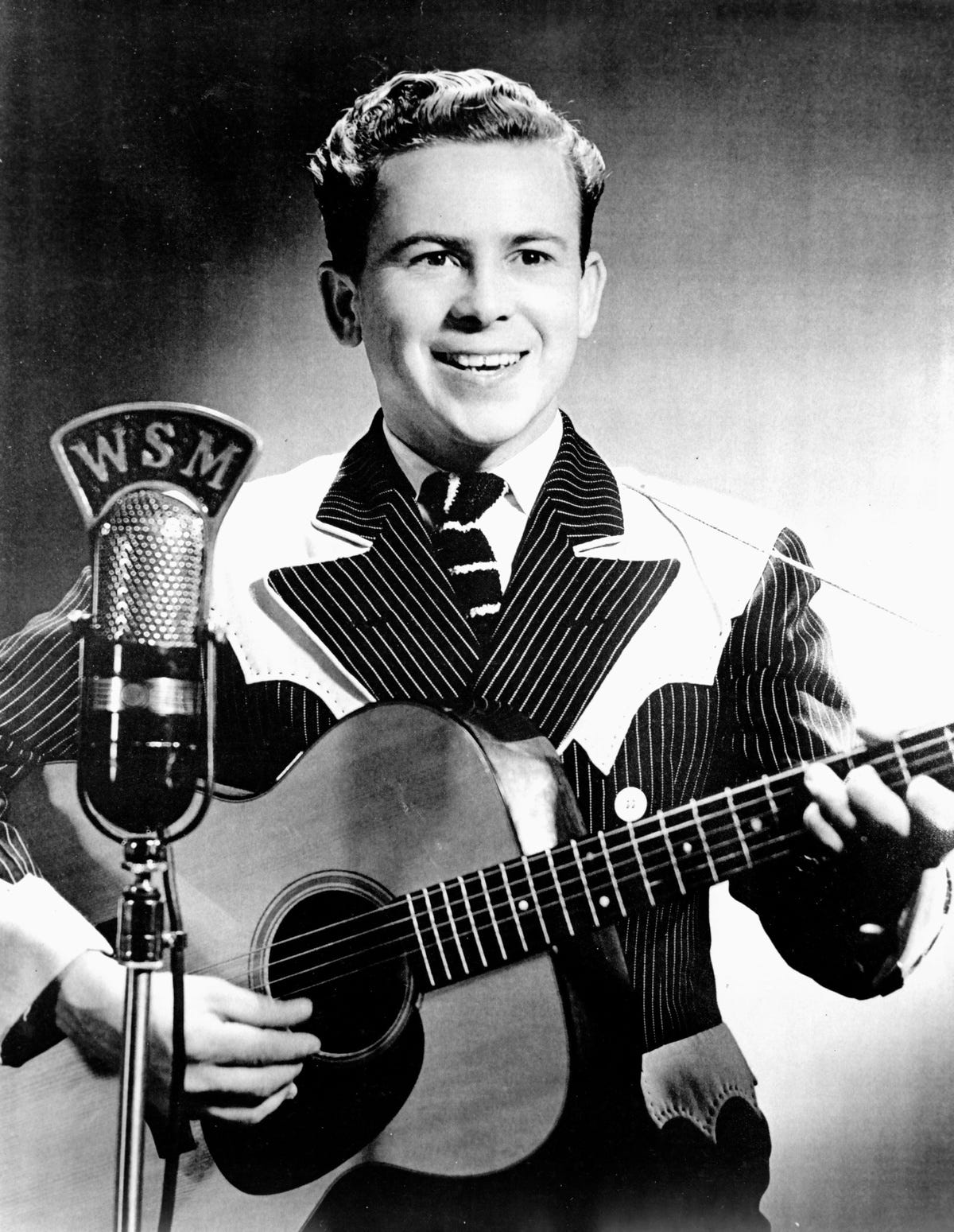
Little Jimmy Dickens — the rhinestone-covered 4’10” original who joined the Grand Ole Opry in 1948 and became a member of the Country Music Hall of Fame in 1983 — was a 32nd Degree Freemason and a member of Franklin Lodge No. 7.
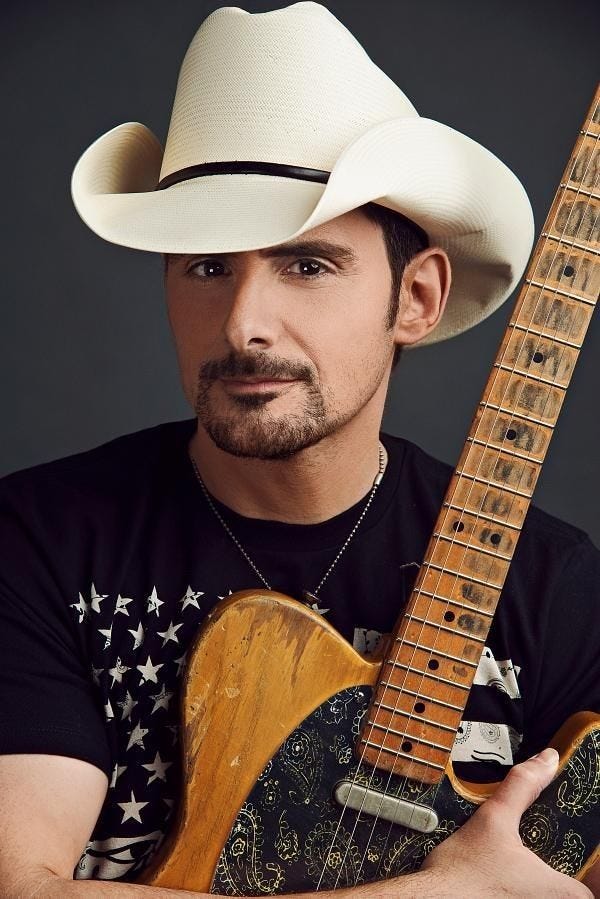
Brad Paisley — active country music star, three-time Grammy winner, Grand Ole Opry member since age 28 — is also a member of Franklin Lodge No. 7. He was inducted into the Scottish Rite on October 28, 2006, at the House of the Temple in Washington, D.C. He was accompanied that day by his father, Douglas Paisley, 33°.
What This Actually Was
Here is the argument I am not making: I am not arguing that the lodge got these men their record deals. I am not arguing that there were secret handshakes at the Victor Records offices in New York. I am not arguing for conspiracy.
I am arguing for something more precise and, in some ways, more interesting.
Freemasonry in the early twentieth century was one of the primary fraternal networks available to working men in the American South. It was accessible. It was local. It offered structure, community, mutual aid, and a framework of values — brotherhood, virtue, the idea that a man should improve himself — to men who often had very little formal institutional support. A railroad brakeman in Meridian, Mississippi in the 1920s who wanted to belong to something, to have standing in his community, to know other men of similar aspiration, might well have walked into a lodge.
Jimmie Rodgers walked into one. He did so before he was famous, before the Bristol Sessions, before any of it. The lodge didn’t make him famous. But the lodge was where men like him went.
What you see, when you map the Masonic membership across the founding generation of country music, is a picture of who these men were before the music made them legends. They were lodge members. They were community men. They believed in something larger than themselves, and they expressed it through the fraternity as surely as they expressed it through their music.
Roy Acuff built Acuff-Rose and signed Hank Williams and ran the Grand Ole Opry and reached the 33rd degree on October 21st, 1985. Gene Autry’s epitaph listed his Masonic rank alongside the achievements the entire world knew. Mel Tillis pursued the degrees for fifteen years until the Scottish Rite gave him their highest honor. These were not men who treated their Masonic membership as a casual affiliation. They treated it as part of their identity. And it was.
Sure, you can become an inactive Freemason - but once you are one, you always are one.
The Hall of Fame Number
Return one more time to that fact from 1962.
Eight of the early Country Music Hall of Fame inductees were documented Freemasons. The Hall was built by Tex Ritter, a Mason, through the Country Music Association he co-founded. The first living inductee was Roy Acuff, a 33rd Degree Mason. The first inductee of any kind — posthumously — was Jimmie Rodgers, a lodge member whose funeral was held in a Shriner-owned theater.
This is not a conspiracy. Conspiracies require coordination and secrecy and intent. What this is, is something more durable: a generation of men who came from a common culture, who belonged to a common institution, who built something extraordinary, and whose membership in that institution tells you something true about who they were and where they came from.
Country music was not built in boardrooms. It was built by men who drove two-lane highways, who worked railroads and ranches, who belonged to lodges and churches and attended barn dances, who understood fraternity as something you show up for week after week in the same room with the same men. Your brothers.
They built it with square and compass, and they built it to last.
ABOUT THE AUTHOR:
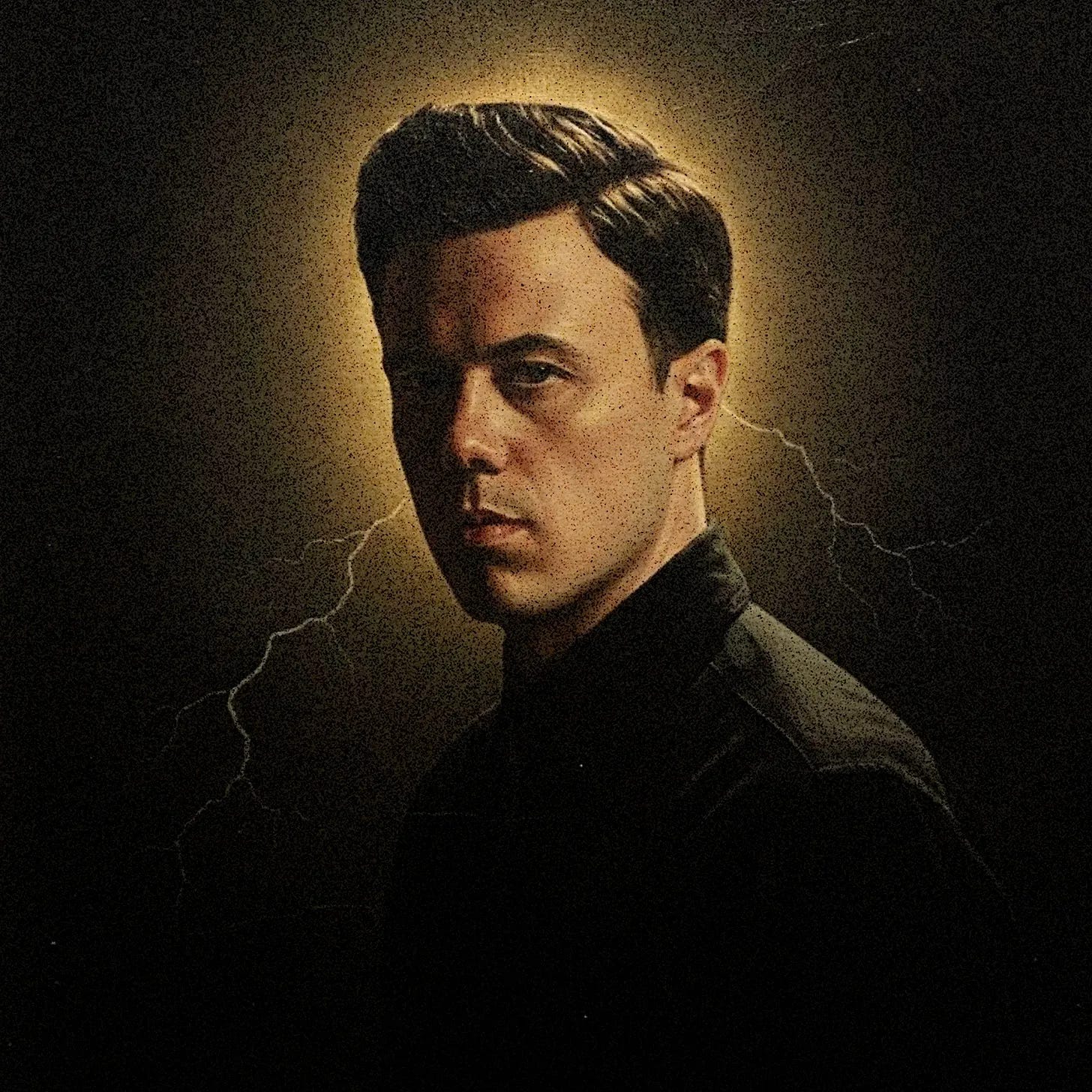
My name is Zachariah Malachi. I’m a full-time, self-employed honky tonk musician in Nashville, Tennessee. This Substack Publication was created for the purpose of sharpening my mind on more Nashville and Country Music history to share with the honky tonk patrons downtown during my shows - but I wanted more folks to benefit from the research so - it’s my gift to the country music fans of the world AND the people who WANT to be. Subscribe and come along for the ride.
Brilliant! Thank you for educating us on this interesting connection between Freemasonry and country music. This was all news to me, and your description of the common themes and impulses behind all these men, exclusive of their musical achievements, is spot on. More great writing, Zachariah! 👍
Don’t forget about the experience Ray Stevens had at the Shriners Convention.